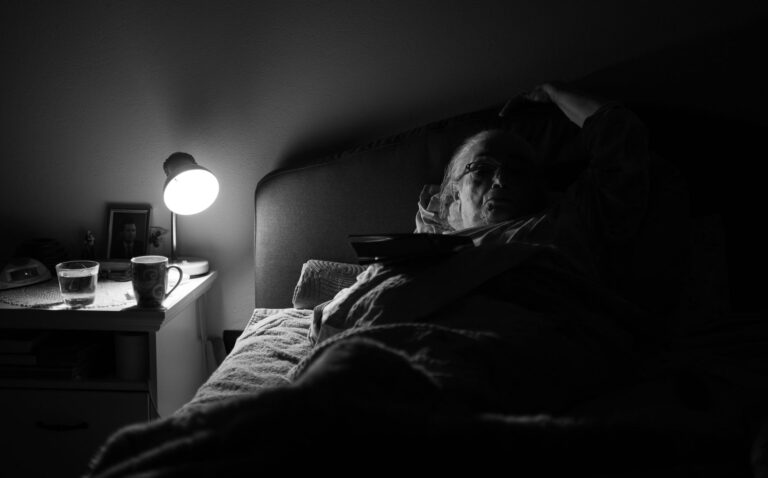
Dementia caregiving in winter means watching mood in two people at once: you and the person you support. Seasonal affective disorder is depression with a recurrent seasonal pattern, and the National Institute of Mental Health defines it as most often starting in late fall or winter and remitting in spring and summer, described in the National Institute of Mental Health publication on seasonal affective disorder. That timing matters because shorter days, holidays, and disrupted routines can confuse, unsettle, or withdraw a person living with dementia. Careful observation and steady daily structure help you respond early and get the right evaluation.
Medical information disclaimer: This article is for general educational purposes only and does not provide medical advice, diagnosis, or treatment. Always consult a physician or other qualified health professional about symptoms, medications, tests, or treatment decisions.
Table of Contents
- Why is winter depression harder to spot in dementia?
- What steady routines help most?
- Is it SAD or sundowning?
- How can caregivers protect their own mood?
Why is winter depression harder to spot in dementia?
Memory loss and language changes can hide sadness. A person may not report feeling empty or hopeless, so low mood shows through behavior instead.
Dementia specialists note that seasonal depression may appear as staying in bed longer, social withdrawal, lost motivation, and increased irritability, so caregiver observation plus comprehensive evaluation is needed for detection, according to the University of Florida guide to seasonal depression in dementia. Track what changed, when it started, sleep, appetite, medications, and recent illness. Bring that record to the clinician rather than deciding alone that it is only winter blues.
What steady routines help most?
Familiar rhythm lowers confusion and distress during a stimulating season. Dementia specialists at the University of Florida advise simplifying holiday plans and keeping familiar wake, meal, and bedtime routines with calm, predictable environments. Put that advice into a short daily plan: Ask the care team promptly if low mood lasts at least two weeks, worsens, or brings safety concerns.
- keep wake, meal, and bed times consistent, even on holidays
- hold visits small, brief, and quiet, with one familiar person at a time
- offer daylight exposure and gentle daytime activity
- keep evenings calm, with low noise and familiar surroundings
Is it SAD or sundowning?
Sundowning is different from seasonal depression, although both worsen in low light. The National Institute on Aging describes sundowning as restlessness, agitation, irritability, or confusion that begins or worsens as daylight fades, with guidance to reduce noise and clutter, offer distraction, keep early evenings quiet, and get daily daylight, in the National Institute on Aging tips for coping with sundowning. Use timing as your clue.
Morning withdrawal across many winter days points more toward a seasonal mood change. Late-afternoon pacing, confusion, or agitation that eases after bedtime points more toward sundowning. Many families see both, so note the hour, light conditions, sleep the night before, and what helped.
How can caregivers protect their own mood?
Caregivers carry higher health strain in winter, with less daylight, more indoor care, and fewer breaks. The Alzheimer's Association 2024 Facts and Figures report found depression more common in dementia caregivers than other caregivers, with state samples around 27-29% reporting depression, reported in the Alzheimer's Association 2024 Facts and Figures report.
Treat your symptoms as information, not failure. Seek daylight for yourself, keep one regular sleep window, accept brief respite help, and tell your own clinician about persistent sadness, exhaustion, oversleeping, withdrawal, or irritability. Getting support early protects both you and the person receiving care.