Dementia care at home means building a consistent daily routine around the person's habits and best time of day. That routine sets fixed times for meals, medicines, activity and personal care, paired with practical changes that make the home safer. Dementia causes ongoing decline in memory, judgment and physical ability, so the plan must fit today and be easy to adjust. A calm order for morning, afternoon and evening lowers stress for the person and the caregiver.
Medical information disclaimer: This article is for general educational purposes only and does not provide medical advice, diagnosis, or treatment. Always consult a physician or other qualified health professional about symptoms, medications, tests, or treatment decisions.
Table of Contents
- What does a steady day look like?
- How do you make walking areas safer?
- How do you reduce kitchen and household risks?
- What if wandering becomes a risk?
What does a steady day look like?
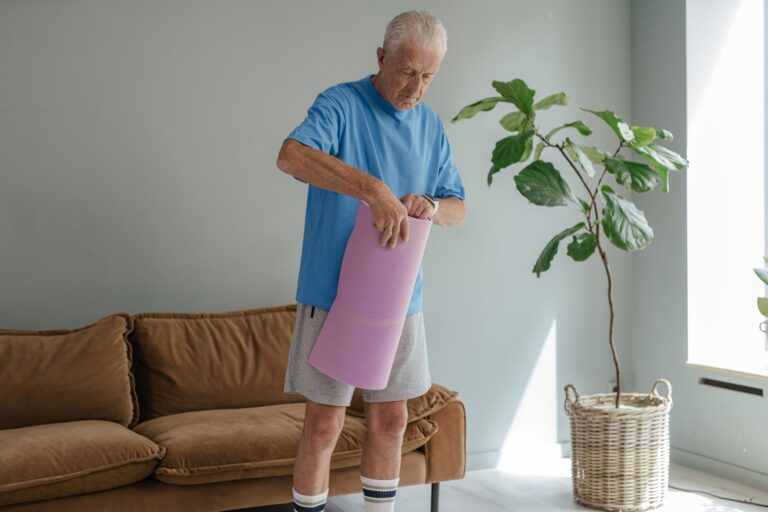
The Alzheimer's Association recommends a consistent daily plan that allows ample time for meals, bathing and dressing, described in daily care plan guidance. Structure morning, afternoon and evening activities around established habits and the time of day when the person functions best.
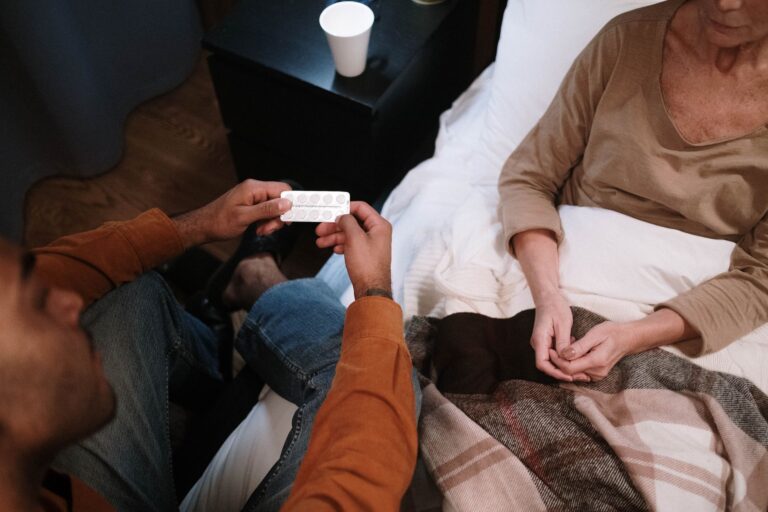
Keep eating, medicines, exercise, bathing and dressing in the same order and at the same times each day. Kaiser Permanente advises taking medicines at the same time daily to reduce stress and confusion, detailed in daily care advice for caregivers.
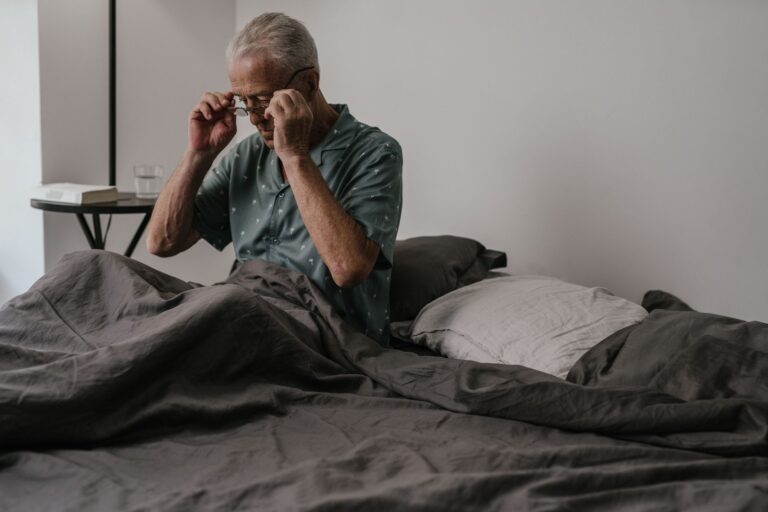
- Keep wake, meals, activity, bath and bedtime fixed.
- Plan demanding tasks for the best time of day.
- Allow extra time so bathing and dressing do not feel rushed.
How do you make walking areas safer?
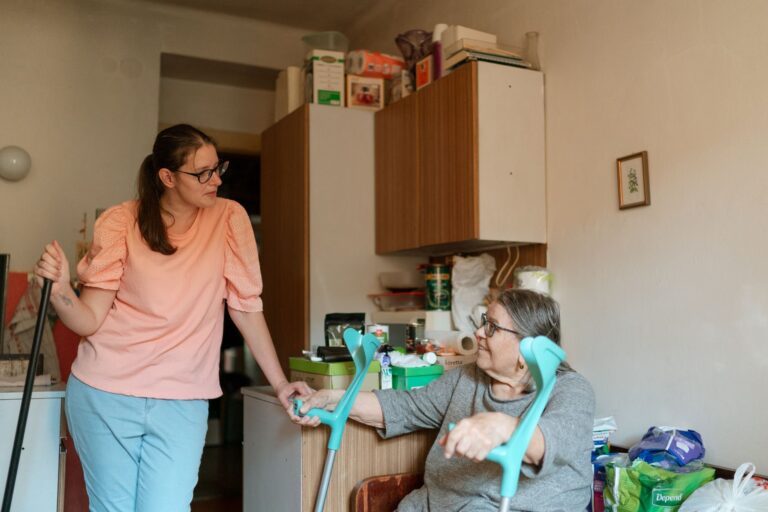
Inspect the home to remove or reduce tripping and falling hazards. Keep walkways clear, improve lighting, and add handrails, grab bars and nonslip surfaces in bathrooms and on stairs.
Move cords, loose rugs and clutter out of walking paths. Place sturdy seating where the person can rest, and keep often-used items within easy reach to limit bending and climbing.
How do you reduce kitchen and household risks?
Remove stove knobs when the stove is not in use, lock up sharp objects, and choose appliances with automatic shut-off and safety knobs. These steps lower the risk of burns and fires during cooking.
Lock away prescription and over-the-counter medicines, supplements, alcohol, cleaning products, detergents, gasoline, matches and poisons. The Veterans Health Library also advises lowering hot-water temperature, with the heater set to 120°F, explained in home safety steps for dementia.
What if wandering becomes a risk?
Wandering is common in more advanced dementia, so plan for it before it happens. Use door and window alarms, Stop signs on exterior doors, hidden car keys, ID bracelets, GPS locators, fenced-off pools and stairs, and alert neighbors.
A person with advanced dementia should not be left alone at home. MedlinePlus advises re-evaluating home safety regularly because risks change as memory, judgment and mobility decline, described in safety instructions for dementia caregivers.
- Add alarms and signs to exterior doors.
- Keep keys, coats and shoes out of sight near exits.
- Give the person ID and keep a recent photo ready.
- Ask neighbors to call you if they see the person alone.