Recreational activities support cognitive decline prevention by combining movement, mental effort, and social contact. Cognitive decline means a gradual loss of memory, thinking speed, and everyday judgment. WHO states that up to 45% of dementia risk could be prevented or delayed by addressing modifiable factors including regular physical activity, tobacco cessation, and healthy diet, according to WHO guidelines. The benefit comes from habits repeated weekly, not from occasional effort.
Medical information disclaimer: This article is for general educational purposes only and does not provide medical advice, diagnosis, or treatment. Always consult a physician or other qualified health professional about symptoms, medications, tests, or treatment decisions.
Table of Contents
- Which recreation counts for brain health?
- How large is the reported benefit?
- What are the limits of the evidence?
- What can you do each week?
Which recreation counts for brain health?
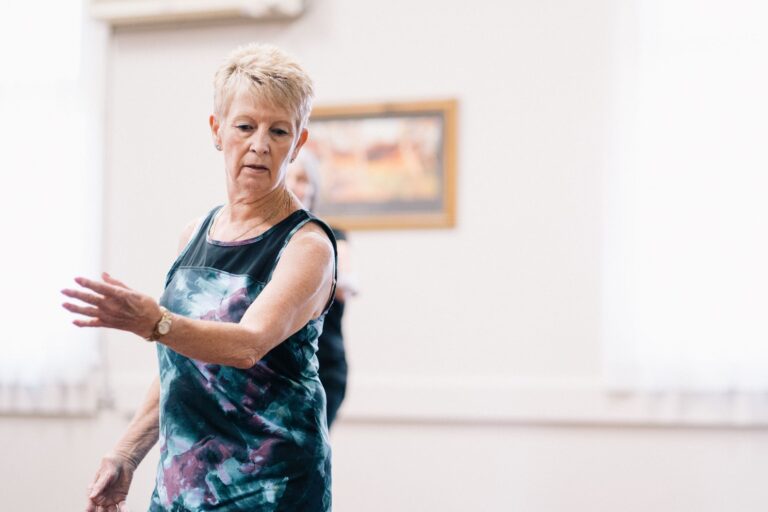
Physical recreation includes brisk walking, swimming, dancing, and household chores. The CDC says regular moderate-to-vigorous activity of this type can reduce risk of cognitive decline and dementia in adults, as explained in CDC brain-health guidance.
Mental and social recreation also matters. Examples include reading, puzzles, classes, clubs, games, music, volunteering, and group outings. Both solitary and group cognitive leisure activities were linked to lower odds of decline in a large study of intact older adults.
How large is the reported benefit?
Older adults who followed four or five healthy behaviors, including regular physical activity and late-life cognitive activities, had 60% lower Alzheimer's risk than those who followed zero or one. NIH reported this result from an NIA-funded Rush study in NIH research news.
A systematic review linked cognitive leisure activities to lower risk of cognitive impairment and dementia across several pooled analyses. In the AGES-Reykjavik study of 2,933 adults, solitary and group cognitive leisure activities each halved the odds of decline after adjustment. The pattern is consistent: active minds and active bodies track with better outcomes.
What are the limits of the evidence?
Prevention evidence remains mixed. An AHRQ review summarized by the National Institute on Aging found most interventions showed no benefit.
Cognitive training improved only the trained skill, with little transfer to other thinking abilities. This means crossword skill may stay narrow. It does not prove broader protection will follow.
What can you do each week?
Aim for at least 150 minutes of moderate aerobic activity weekly, plus muscle-strengthening on two or more days. WHO 2026 guidance pairs this exercise target with cognitive stimulation and social contact, as summarized in Medical Republic's WHO report. Use habits you can sustain:.
- Walk briskly for 30 minutes on five days, or swim twice weekly.
- Add two short strength sessions using bands, weights, or body weight.
- Join one social activity with thinking involved, such as dancing, cards, choir, or a class.
- Keep tobacco out and meals balanced with vegetables, fruit, whole grains, and lean protein.