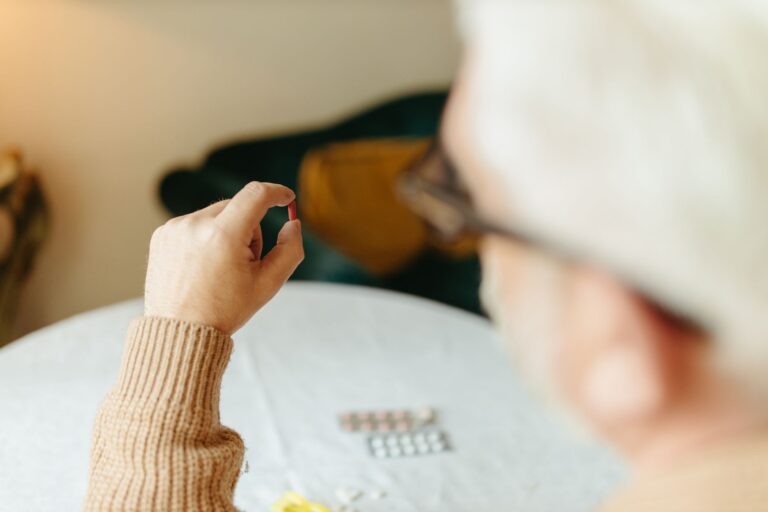
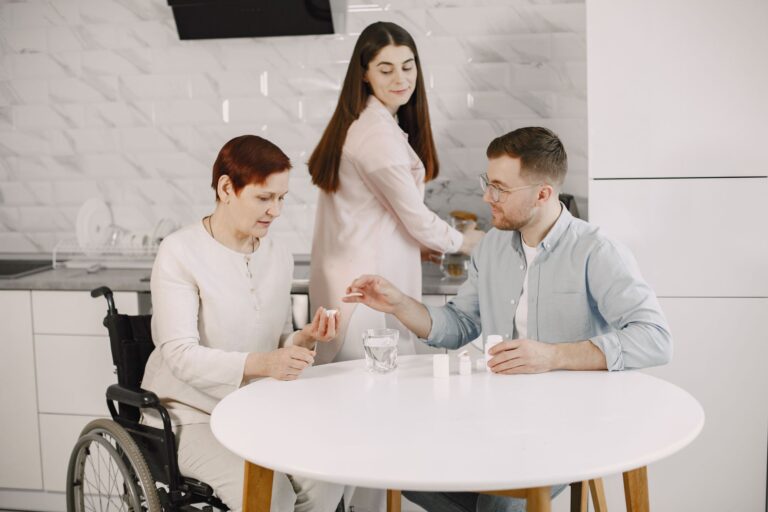
Yes, dementia can make an almost empty plate still look full to the person eating. Brain changes in contrast sensitivity, color vision, and depth perception shift how much food seems present.
Visual perception here means how the brain reads edges, size, and contrast at meals. Advanced dementia often brings weight loss because food is hard to see and recognize. Clear dishes, plate size, and lighting can change whether a portion looks adequate and worth eating.
Medical information disclaimer: This article is for general educational purposes only and does not provide medical advice, diagnosis, or treatment. Always consult a physician or other qualified health professional about symptoms, medications, tests, or treatment decisions.
Table of Contents
- Why food disappears on white dishes
- Does plate size change portion size?
- Do red or blue plates increase intake?
- How caregivers make food stand out
Why food disappears on white dishes
Alzheimer's disease weakens lower-level vision, including contrast sensitivity and color discrimination. Boston University researchers explain that this loss reduces object salience in daily tasks in the Boston University chapter on vision in Alzheimer's disease. White food on a white plate then offers almost no edge to detect.
Mashed potatoes, rice, milk, or vanilla pudding blend into white china and a pale table. The Rehabmart summary of the Dunne research notes that patients may miss full portions and eat less. The National Institute on Aging notes poor intake is common in advanced dementia and worsens with disease stage.
Does plate size change portion size?
The Delboeuf illusion means the same portion looks smaller on a large plate and larger on a small plate. Van Ittersum and Wansink showed this bias leads people to overserve large plates and underserve small ones in the Journal of Consumer Research study on the Delboeuf illusion.
Rim width and color also matter for perceived amount. Van Ittersum, Wansink, and McClain and colleagues found wider colored rims exaggerate food amount. Low-contrast white-on-white servings on large plates increase the overserving tendency.
Do red or blue plates increase intake?
In nine men with severe Alzheimer's disease, red high-contrast plates and cups increased food intake by about 25 percent and liquid intake by about 84 percent versus white tableware. Boston University summarizes the Dunne team results in the Boston University summary of the Dunne red-tableware study. Results are not uniform across settings and colors.
Donnelly and colleagues reported no significant overall intake gain in an 18-resident crossover trial of blue versus white dishware in the BMC Research Notes trial of blue versus white dishware. Five of 18 residents still increased intake by 10 percent or more on blue. The pattern suggests contrast helps some people a great deal and others little. Small studies, severe dementia, and different meal routines limit broad claims.
How caregivers make food stand out
Plain high-contrast dishes help food stand out without adding distraction. The National Institute on Aging and Outside the Box mealtime guidance recommend plain dishes, no patterned china, good lighting, and smaller frequent meals in quiet settings.
Watch the person, not the plate, for fullness cues and distress. Serve milk or supplement drinks in a dark mug and check that light falls on the food.
- Use a small plain plate in red, dark blue, or another strong contrast to the food
- Serve one or two foods at a time so edges stay clear
- Place a white placemat under a dark plate, or dark placemat under white food
- Keep light on the plate and off the person's eyes
- Offer fluids in a bright solid-color cup with a short straw if needed