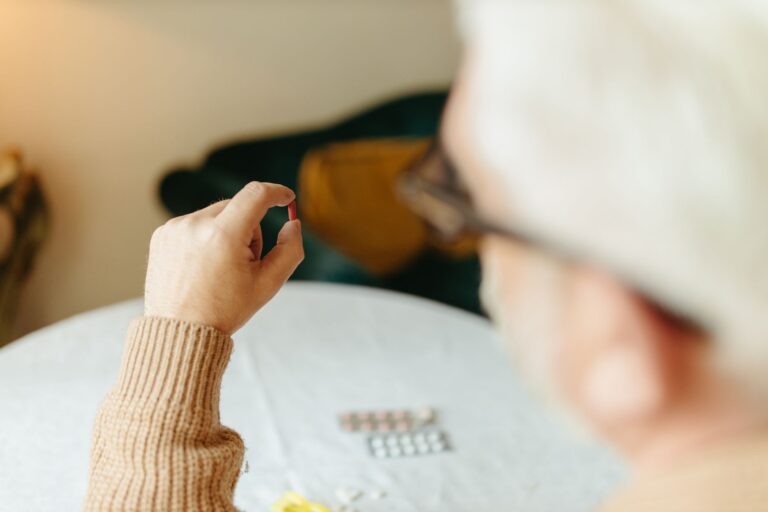
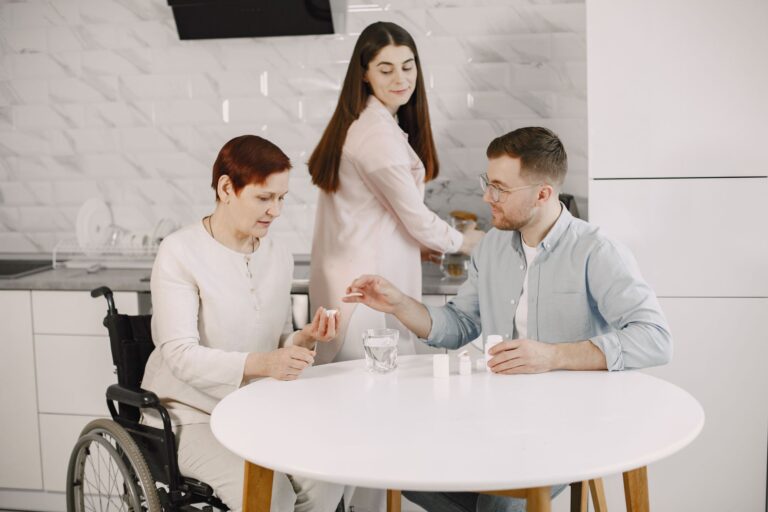
Pouring a drink into the wrong container happens when dementia changes vision and recognition, so a clear liquid in a clear glass can look invisible. Simplifying the table setup helps because fewer objects, less clutter, and one high-contrast cup make the right target obvious. Agnosia means impaired recognition of food and objects, and apraxia means impaired ability to perform purposeful movements. Together with poor depth perception, they can turn a normal table into a confusing choice of bowls, vases, and glasses.
Medical information disclaimer: This article is for general educational purposes only and does not provide medical advice, diagnosis, or treatment. Always consult a physician or other qualified health professional about symptoms, medications, tests, or treatment decisions.
Table of Contents
- Why does the drink miss the right cup?
- What should you clear from the table?
- How does color make the right container obvious?
- What helps when mistakes still happen?
Why does the drink miss the right cup?
People with advanced Alzheimer's often lose contrast sensitivity, depth perception, and spatial awareness. White food on a white plate or clear liquid in a clear vessel can disappear from view, according to Boston University research summarized by ScienceBlog in the Boston University mealtime report.
Inattention also breaks focus during pouring. Agnosia can keep the person from recognizing which vessel holds the drink, while apraxia can disrupt the aimed movement itself. These problems interfere with eating and contribute to dementia-related weight loss.
What should you clear from the table?
Start with a familiar, quiet place and remove everything not needed for this drink or meal. Caregiver guidance generally advises leaving only the plate, cup, and needed utensils in front of the person.
Ohio State researchers advise lowering auditory and visual distractions, eliminating clutter, clearing pathways, and improving lighting, as described in the Ohio State caregiver meal study. In practice, that means:.
- take away extra bowls, vases, and spare glasses before pouring
- avoid patterned tablecloths and turn off TV or radio noise
- use plain dishes and plain placemats
- pre-pour the drink and offer one cup at a time
How does color make the right container obvious?
High contrast aids recognition. Guidance advises making the plate a different color from the table, avoiding white-on-white and pastels, and using solid primary colors such as red, yellow, or blue that remain recognizable longer, according to the Alzheimer's Los Angeles caregiver tip sheet in the Alzheimer's Los Angeles eating tip sheet.
Use an opaque cup in a strong color that stands out from the table. A red cup on a light wood table is easier to find than a clear glass on a patterned cloth. In the Boston University mealtime study, brightly colored plates and cups made food and drink easier to see and increased eating and drinking by at least 25 percent.
What helps when mistakes still happen?
Keep the routine steady and allow the person to pour slowly without taking over too fast. Stay nearby, name the cup by color and position, and hand it gently if reaching becomes uncertain.
Simpler high-contrast setups reduce errors and support intake but do not restore cognitive or visual decline. Needs vary by dementia stage, lighting, preferences, and swallowing safety, so allow extra time and keep posture upright during drinks and meals.