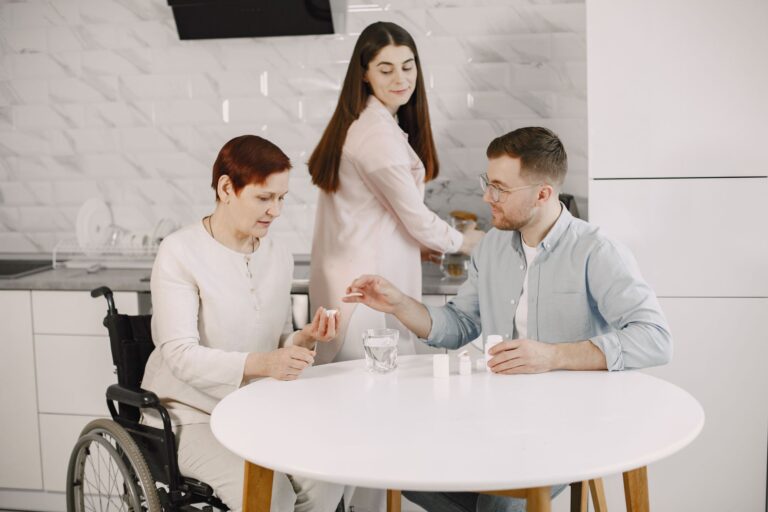
Yes, dementia can make a person forget that food is hot and eat it anyway. Dementia means a decline in memory, thinking, and judgment that interferes with daily life, including judging temperature and danger at meals. That change creates a real burn risk, so closer mealtime supervision helps. Caregivers can check heat first, serve safer foods, and watch for signs that a bite was too hot.
Medical information disclaimer: This article is for general educational purposes only and does not provide medical advice, diagnosis, or treatment. Always consult a physician or other qualified health professional about symptoms, medications, tests, or treatment decisions.
Table of Contents
- Why does hot food become harder to judge?
- What should supervision look like at meals?
- How can food and drink be made safer?
- When does the plan need to change?
Why does hot food become harder to judge?
Adults with Alzheimer's needed higher temperatures than healthy peers to feel warmth, mild pain, and moderate pain during controlled heat tests, according to Vanderbilt University Medical Center in the Vanderbilt study summary. The delay means a sip of soup or a bite of casserole can seem fine just before it burns the mouth or throat. It is a sensing change, not carelessness.
Dementia can also reduce awareness of heat symptoms and disrupt normal temperature responses. Hot foods, steam, cooking liquids, and hot bath water are common burn sources because the person may not recognize the danger, according to WebMD in WebMD's burn-injury guidance. Treat every hot plate as something to check before it reaches the person.
What should supervision look like at meals?
Stay close enough to test, serve, and assist. Some people with dementia have trouble sensing hot or cold food and may eat food hot enough to scald them, so test the temperature first. Stir hot dishes, touch the container, and take a small test bite or sip yourself when practical.
Keep the setting calm, consistent, and free of distractions. The National Institute on Aging advises extra time, small soft bites, and direct help as chewing, swallowing, and focus decline, described in the National Institute on Aging's eating tips. Sit at eye level, offer one dish at a time, and wait between bites.
How can food and drink be made safer?
Serve warm rather than steaming-hot food. Cut food small, soften textures, and let microwaved dishes stand and stir so heat spreads evenly. Use sturdy plates, short cups with lids, and handles that stay cool enough to hold.
Offer more cold than hot drinks when heat adds risk. Refusal, coughing, or spitting food out may mean the bite is too hot or too cold, not stubbornness. If that happens, pause, recheck the temperature, and reoffer the same food at a milder heat.
When does the plan need to change?
Increase help when bites get rushed, pocketed in the cheek, coughed on, or followed by mouth pain. Move from reminders to hand-over-hand help, smaller spoonfuls, and a slower pace.
Keep hot serving dishes off the table and away from reach. The heat-sensing research studied physically healthy adults who could still describe what they felt, so people with severe, nonverbal, or medically complex dementia may respond differently. For them, lean more on caregiver testing, visual steam cues, and consistent routines than on asking whether food feels too hot.