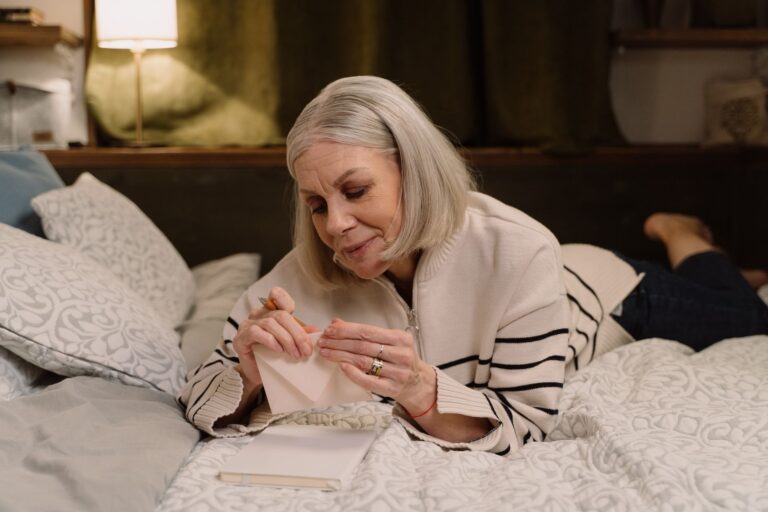
The headline overstates what is known: an archived Reddit post does not identify the poster as a daughter or prove the note was the father's last message. Signed "Joseph," the note expresses remembered affection despite forgetting, but does not date when conversation became impossible, according to the December 2018 Reddit post. Dementia is cognitive loss severe enough to disrupt daily life. It is not normal aging or a single disease; the term covers several conditions with different symptoms and patterns, explains the National Institute on Aging.
Medical information disclaimer: This article is for general educational purposes only and does not provide medical advice, diagnosis, or treatment. Always consult a physician or other qualified health professional about symptoms, medications, tests, or treatment decisions.
Table of Contents
- What the note actually establishes
- Can Alzheimer's make conversation impossible?
- When memory or language changes need evaluation
- How to respond when conversation becomes harder
What the note actually establishes
The post says the writer's mother found a note that her husband had written before Alzheimer's affected him. The poster's identity, Joseph's diagnosis, and the circumstances surrounding the note were self-reported rather than independently verified. The message can reasonably be understood as an expression of enduring affection amid memory loss.
It cannot establish that Joseph never wrote again, when his speech changed, or whether conversation had become entirely impossible. That distinction does not diminish the note's meaning to the family. It separates the emotional value of a keepsake from conclusions the available evidence cannot support.
Can Alzheimer's make conversation impossible?
Yes, Alzheimer's can eventually cause profound communication problems. A person may have difficulty finding words, understanding language, organizing thoughts, or sustaining a long conversation; severe disease can leave someone unable to communicate, according to the National Institute on Aging's communication guide. That makes the post's general premise medically plausible, but it does not verify what happened in Joseph's case.
The image provides no clinical history, disease stage, or account of which abilities he retained. A handwritten note also cannot predict another person's future. Symptoms and progression vary, so one family's experience cannot show whether someone else will lose speech, writing, both, or neither within a particular period.
When memory or language changes need evaluation
Do not assume that noticeable decline automatically means dementia or Alzheimer's. Medication effects, infection, depression, stroke, and endocrine or metabolic problems can mimic or worsen cognitive impairment, and some causes are treatable, notes the National Institute on Aging's clinical guidance.
If memory or language problems are interfering with daily life, arrange a clinical evaluation. Prepare useful details before the appointment: These observations cannot diagnose dementia. They can help a clinician distinguish an ongoing pattern from a temporary or potentially treatable problem.
- Record specific examples of what changed and when.
- Bring an accurate medication list.
- Mention recent illnesses and health changes.
- Explain which conversations or daily tasks have become difficult.
How to respond when conversation becomes harder
Adjust the exchange to the ability the person has that day. The goal is connection, not testing whether the person can retrieve a name, date, or shared memory.
A meaningful response may be brief or incomplete. At the next calm moment, choose one familiar person, object, or subject that supports an easier exchange and use it without turning the conversation into a memory test.
- Discuss one subject at a time.
- Use shorter questions when long conversations become tiring.
- Allow extra time for a response.
- Offer a simple choice if an open question feels difficult.
- Pause when either person becomes frustrated.