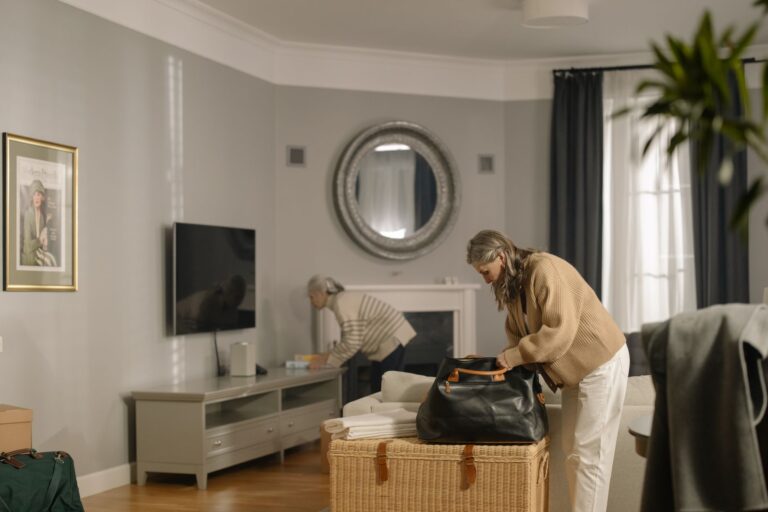
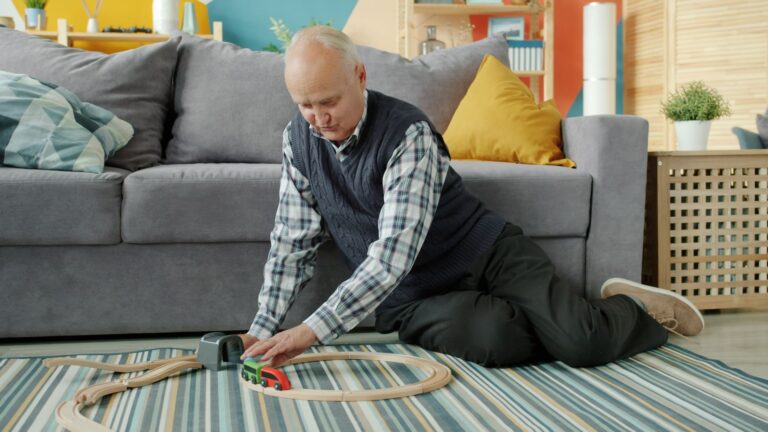
The most common barriers are fear of falling, poor balance, physical discomfort, and lack of supervision, accessible space, and transport. Low enthusiasm, memory loss, and confusing or unsupportive environments make joining even harder. Dementia prevention here means lowering risk through daily habits, not guaranteeing prevention. According to Alzheimer's Society UK guidance on physical activity, older adults who exercise regularly may be up to 20% less likely to develop dementia.
Medical information disclaimer: This article is for general educational purposes only and does not provide medical advice, diagnosis, or treatment. Always consult a physician or other qualified health professional about symptoms, medications, tests, or treatment decisions.
Table of Contents
- Why does limited mobility matter for brain health?
- What stops standing dance?
- Which body and access barriers block participation?
- How can dance be made safer and doable?
Why does limited mobility matter for brain health?
The World Health Organization physical activity fact sheet advises older adults to get 150–300 minutes of moderate aerobic activity weekly, plus muscle-strengthening twice weekly. It adds extra balance training on 3 or more days for those with poor mobility.
Limited mobility makes that target hard to reach. Less movement means fewer chances for heart, muscle, and balance benefits. The Alzheimer's Association reports that a combined program of activity, nutrition, thinking and social engagement plus heart monitoring improved cognition in at-risk older adults.
What stops standing dance?
Fear of falling and poor balance often block standing dance for older adults with moderate-to-severe dementia. Researchers therefore tested an adapted Portuguese folk-dance therapy for balance-impaired residents in long-term care, according to Frontiers in Aging Neuroscience original research.
The Frontiers team reports that 8 older adults with moderate-to-severe dementia completed the program. Even with adaptation, 3 still needed physical support to perform, so supervision and hands-on help remain necessary.
Which body and access barriers block participation?
Chronic pain and arthritis make repeated steps, turns, and weight shifts hard. The U.S. CDC notes that pain, transport gaps, inaccessible facilities, and missing program information keep many adults with disabilities from meeting activity guidelines.
A ride that never comes or a hall with stairs can end participation before it starts. A peer-reviewed study of activity barriers archived by the U.S. National Library of Medicine lists discomfort and unsupportive settings as barriers in dementia. It also lists low enthusiasm, memory loss, mobility impairment, and cognitive decline.
How can dance be made safer and doable?
Adaptation starts with balance safety, not choreography. Choose seated or supported movement when standing feels unsteady, and keep a helper close enough to steady weight shifts.
Bring a list of medicines, aids, and contacts to the first class. Leave if dizziness, chest pain, or joint swelling appears, and seek prompt care.
- Ask about chairs, handrails, step-free entry, and transport before enrolling.
- Share pain limits, fall history, and support needs with staff.
- Pick sessions that pair movement with music, social contact, and clear cues.