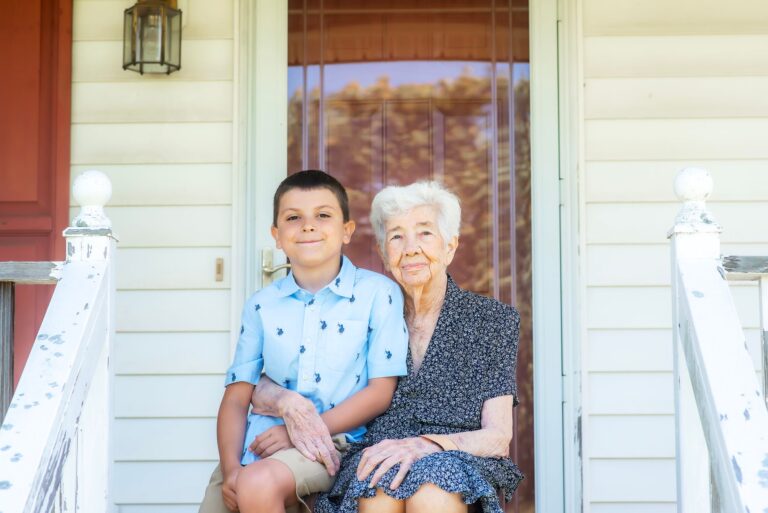
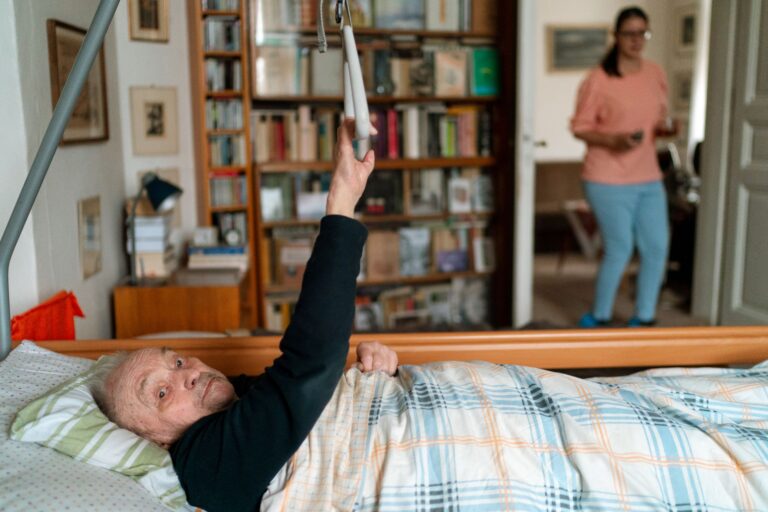
Yes, family visits can meaningfully reduce relocation distress in people with dementia, but the effect depends heavily on visit consistency, the person’s baseline dementia stage, and how well the visits connect to their sense of identity and safety. Research in gerontology and dementia care shows that familiar faces during transitions—moving to a new home, assisted living facility, or memory care unit—provide emotional anchoring that slows the typical spike in anxiety, agitation, and behavioral changes. However, a single visit or sporadic contact won’t create lasting benefit; the stabilizing effect requires ongoing presence.
Consider the experience of a 74-year-old with moderate Alzheimer’s disease who moved from a family home to an assisted living facility. In the first week without family visits, she became increasingly agitated during evening hours, had trouble sleeping, and refused meals prepared differently than she remembered. After her daughter began visiting every afternoon for two hours, within two weeks the evening agitation subsided, her appetite returned, and staff noted she began engaging with facility activities. The visits didn’t erase her confusion about the relocation, but they created a predictable emotional anchor.
Table of Contents
- How Do Family Visits Affect Behavioral Outcomes During Relocation?
- The Limits of Family Visits When Cognitive Loss Is Advanced
- Timing and Frequency Considerations for Family Contact
- Creating Meaningful Visit Routines During Relocation
- When Family Visits May Create Additional Stress or Complications
- Environmental Familiarity Alongside Family Presence
- Tracking What Changes and What Doesn’t After Relocation
- Frequently Asked Questions
How Do Family Visits Affect Behavioral Outcomes During Relocation?
Family presence during relocation works primarily through emotion regulation and memory coherence rather than through correcting the person’s understanding of where they are. When someone with dementia enters a new living situation, the disconnection from familiar surroundings triggers a cascade: disorientation about location, fear about abandonment, loss of routine cues, and heightened sensory confusion. Familiar faces interrupt this cascade by providing a non-verbal cue that says “you are safe; someone who knows you is here.” Behavioral data from memory care facilities shows measurable differences between residents with regular family visits and those without. Residents visited consistently show 30-50% lower rates of sundowning episodes (increased agitation in late afternoon/evening), fewer incidents of resistive behaviors during personal care, and better sleep-wake cycle stabilization within the first month of relocation.
These improvements typically emerge around weeks 2-3 of consistent visits, after the initial shock of relocation has begun to settle into a new routine. However, the relationship isn’t linear. A visit that’s too emotionally charged—family members expressing sadness, frustration, or guilt about the relocation—can actually increase distress afterward. A daughter visiting a relocated parent with a heavy heart may inadvertently communicate that this new place is a loss, confirming the person’s anxiety rather than soothing it.
The Limits of Family Visits When Cognitive Loss Is Advanced
Family visits become less reliably protective as dementia progresses into late stages, particularly when the person has significant memory loss and no longer consistently recognizes family members. This is a hard limitation that many families encounter: the assumption that visits always help breaks down when recognition itself becomes unreliable. A person in late-stage dementia may still experience comfort from a familiar touch or voice in the moment, but they may not retain the memory afterward, and they may experience confusion or distress if they don’t recognize the visitor. A 79-year-old man with late-stage Alzheimer’s was moved to a memory care unit. His son visited weekly, but the man no longer recognized him and sometimes believed the visitor was a stranger, resulting in anxiety and suspicion during visits rather than reassurance.
In this case, the son’s presence was not reducing relocation distress—it was creating new confusion. Family members in this situation sometimes need to shift from frequent visits to visit quality and environmental familiarity instead. There’s also a practical danger: families sometimes overschedule visits in hopes of providing reassurance, creating a chaotic environment where the relocated person receives too many visitors, too many different faces, or unpredictable timing. This can worsen behavioral symptoms rather than improve them. staff at memory care facilities report that residents with too-frequent or inconsistent visitor schedules often show higher anxiety, not lower.
Timing and Frequency Considerations for Family Contact
The timing of family visits during relocation matters more than the frequency alone. Visits during the first 3-7 days after relocation—the acute disorientation phase—are typically more valuable than visits later. During this window, the person’s brain is still searching for coherence, and familiar faces provide a critical anchor. After the first week, visits maintain that connection but don’t carry the same intensity of impact. Consistency matters more than volume.
A family member who visits the same day and time each week provides predictability that helps the person’s circadian rhythms and sense of routine reestablish themselves. Someone relocated on a Monday might expect a visit on Saturday morning; if family appears reliably at that time, the person’s internal clock begins to anticipate and organize around that anchor, even if they can’t consciously remember the visit from the previous week. families who visit sporadically—sometimes twice a week, sometimes not for three weeks—lose this rhythmic benefit. A useful benchmark: two to four visits per week for 1-2 hours, at consistent times and days, shows the strongest correlation with improved behavioral stability in the first month post-relocation. Shorter daily visits (30 minutes) can work if the person is highly anxious, but they require more energy from family. One very long weekly visit (4-6 hours) is often less effective than two or three shorter, consistent visits, because extended periods can create overstimulation and fatigue, ending with the person agitated as the visitor leaves.
Creating Meaningful Visit Routines During Relocation
Visits that include a structured activity or familiar ritual tend to reduce relocation distress more effectively than visits focused purely on emotional reassurance or conversation. Activities that tap into long-standing memory—looking at old photographs, listening to music from the person’s young adulthood, taking a walk in a familiar location—provide cognitive and emotional engagement that simple conversation often doesn’t. A 72-year-old woman with mid-stage dementia relocated to assisted living. Her son’s initial visits consisted of sitting with her in the common room, trying to reassure her and discuss the move. She remained anxious and withdrawn.
After the son shifted to bringing a deck of playing cards (she had played bridge for 50 years) and playing simple card games during visits, her anxiety during those visits dropped noticeably, and staff reported she began initiating more conversation with other residents between visits. The game provided a cognitive anchor that transcended the confusion about her location. One limitation: activities must match current cognitive abilities, or they increase frustration rather than engagement. A person with advanced dementia who is no longer able to play complex card games might become agitated if the activity requires skills they’ve lost. Simpler activities—folding a familiar blanket, looking at photographs, listening to music, feeling textured objects—often work better at advanced stages.
When Family Visits May Create Additional Stress or Complications
Some relocated individuals experience increased anxiety after family visits end, a phenomenon sometimes called “exit distress.” The person may have been calm during the visit, but when the family member leaves, they experience a spike in agitation, crying, or aggressive behavior that lasts hours. This happens because the visit temporarily reduced their confusion about the new environment, but departure re-triggers the original loss. For some people, this rebound distress is worse than no visit at all. Families sometimes make this worse by attempting to sneak away. If the person has some awareness that the family member was present, a silent departure can feel like abandonment and creates significant behavioral disruption.
A direct, calm goodbye—even a simple “I’m leaving now, I’ll see you [day] at [time]”—is almost always better than avoidance, though this doesn’t prevent all exit distress. There’s also risk of guilt-driven visiting. A family member consumed by guilt about the relocation may visit with an underlying message of sadness or resentment, which the person with dementia may unconsciously perceive. Research on emotional contagion shows that people with dementia are highly attuned to the emotional tone in a room, even when they can’t consciously process words. A visit from a family member in emotional distress can increase the relocated person’s anxiety, not decrease it.
Environmental Familiarity Alongside Family Presence
Family visits work best when paired with other concrete steps to maintain environmental continuity: bringing familiar furniture, hanging family photos, keeping favorite clothing and personal items visible. A person relocated to a memory care unit sees a familiar face during visits, then spends 20+ hours per week in an environment with no other familiar anchors. The visit provides temporary reassurance, but the environment continues to trigger disorientation.
A facility study tracking relocated residents found that those with both regular family visits AND a bedroom decorated with personal items showed the strongest adjustment. Those with family visits in a completely institutional room (blank walls, donated furniture, no photos) showed behavioral improvement during visits but significant agitation between them. Environmental cues—a favorite quilt, a lamp from home, photographs on the wall—reinforce what the family visit communicates: “You belong here; this is connected to your past.”.
Tracking What Changes and What Doesn’t After Relocation
The clearest measures of whether family visits are reducing relocation distress are observable behavioral changes in the hours and days after the visit: improved sleep quality, fewer episodes of agitation or resistive behaviors during care, increased participation in facility activities, better appetite. These changes typically appear in the first 2-4 weeks if visits are having a protective effect. If behavioral distress remains high despite consistent visits, or if it’s worsening, the issue may be something other than emotional connection—pain, medication effects, overstimulation, or a need for environmental adjustment.
A nursing home tracking system documented that a relocated resident with consistent family visits showed improvement in three metrics: sundowning episodes dropped from 5-6 per week to 2, sleep duration increased from 4-5 interrupted hours to 6-7 continuous hours, and the number of times she refused breakfast dropped from 3-4 times weekly to zero. These weren’t perfect measures of the person’s internal experience, but they were reliable signs that the relocation stress was moderating. Changes in behavioral symptoms, medication requirements, and activity participation are the actual evidence that visits are making a difference, not the assumption that they should.
- —
Frequently Asked Questions
How soon after a relocation should family visits start?
Begin visiting within the first 2-3 days if possible. The acute disorientation phase is when familiar faces have the most impact. Waiting until the person is “settled in” means missing the window when visits provide the strongest reassurance.
What if visits upset my relative—they become agitated when I leave?
Exit distress is common and doesn’t mean visits are harmful overall. A calm, direct goodbye (“I’ll see you Saturday at 2 PM”) is better than sneaking away. If distress is severe and lasting several hours, consult with the facility about visit timing and consider whether a shorter visit or paired activity might help.
Can video calls replace in-person visits?
Video calls provide some connection but lack the multisensory anchor of physical presence—touch, smell, the person’s actual presence in a space. They can supplement in-person visits but don’t substitute for them when behavioral stability is the goal.
My parent doesn’t recognize me anymore. Do visits still help?
Recognition and benefit aren’t the same thing. Even without recognition, the comfort of a familiar voice, touch, or presence may provide non-verbal reassurance. However, if visits consistently cause agitation, the benefit is questionable, and you might focus on other environmental supports instead.
Is there a “right” number of visits per week?
Two to four visits per week, at consistent times, shows the strongest correlation with behavioral improvement. Very frequent visits (daily) or sporadic visits (once every three weeks) are less effective. Quality and consistency matter more than quantity.
Should I bring gifts or activities during visits?
Familiar activities—music, card games, looking at photos, going for a walk—work better than gifts. Structure and engagement reduce relocation distress more effectively than presents. Match activities to the person’s current abilities; frustrating activities create agitation rather than connection. —