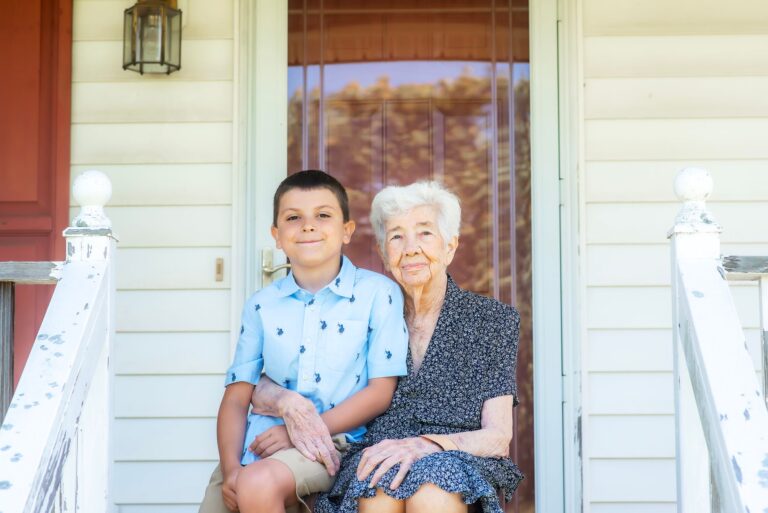
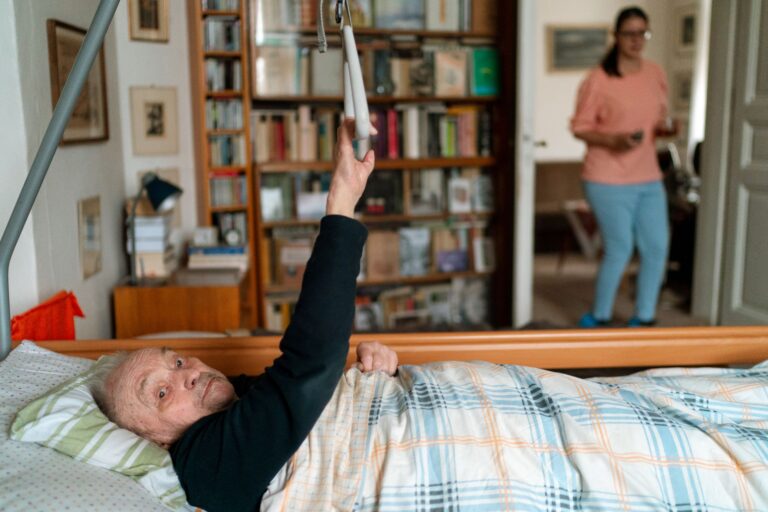
Yes, gradual transitions significantly reduce behavioral distress, confusion, and resistance when relocating someone with memory impairment to a new care setting. A person with Alzheimer’s disease or dementia experiences disorientation most acutely when placed in an unfamiliar environment without preparation—sudden changes to routine, surroundings, and caregivers can trigger agitation, sleep disruption, and psychological distress that persists for weeks. Gradual transitions—whether through pre-move visits, step-by-step introduction to new staff, or phased movement of familiar objects—give the brain time to build recognition and reduce the shock of complete environmental change.
The evidence comes from both clinical observation and caregiver experience. A person moved abruptly to a memory care facility often enters a state of acute confusion: they don’t recognize hallways, can’t find the bathroom, and see only strangers. Their anxiety spikes, medication effectiveness drops, and family members often report that the person’s cognitive decline appears to accelerate right after the move. By contrast, people introduced gradually—visiting the facility repeatedly before moving, meeting staff over several weeks, or keeping familiar furniture and photos during the transition—adjust with measurably less distress and often maintain baseline function longer.
Table of Contents
- Why Do Sudden Memory Care Moves Cause Such Distress?
- How Gradual Transitions Reduce Confusion and Resistance
- Pre-Move Visits and Familiarity Building
- Moving Familiar Objects and Maintaining Continuity
- Timing Challenges and When Gradual Transitions Aren’t Possible
- Family Communication and Setting Realistic Expectations
- Specialized Transitions for Different Care Levels and Settings
- Frequently Asked Questions
Why Do Sudden Memory Care Moves Cause Such Distress?
The brain with dementia relies heavily on environmental cues and routine to compensate for failing short-term memory. A familiar hallway, a recognizable chair, the same caregiver’s voice—these become anchors that prevent constant re-disorientation. When all of these disappear at once, the person with memory loss enters a state of continuous confusion, as if waking repeatedly in a strange place with no context.
This isn’t just psychological discomfort; it’s neurological crisis—the brain is searching for familiar patterns and finding none. Behavioral symptoms often follow immediately: agitation, refusal to eat or take medication, wandering, accusations of being imprisoned or poisoned, and sleep disturbance. Family members sometimes mistake this acute distress for disease progression, not realizing it’s often a reaction to environmental shock that can be partially reversed with time and consistency. A person who was relatively stable in their home may become unrecognizable within 48 hours of admission to an unfamiliar facility, leading families to question whether the move was premature—when the real issue was the speed of the transition, not the necessity of the move itself.
How Gradual Transitions Reduce Confusion and Resistance
Gradual exposure allows the brain to build automatic recognition pathways—the same neural mechanism that lets any of us walk through a familiar place without conscious thought. When someone visits a memory care facility weekly for a month before moving, neural patterns begin to form around the layout, staff faces, sounds, and routines. It’s not conscious memory; it’s procedural learning. By the time they move in, the person has been “pre-familiarized,” and the environment feels less alien.
The limitation to understand here is that gradual transitions require the person with memory loss to be geographically close to the destination facility and healthy enough to tolerate the visits. If someone lives hours away or is in acute medical distress, a true gradual transition isn’t feasible. Additionally, gradual transitions can sometimes create false expectations—a person who visits a facility several times may believe they are just “visiting,” and move-in day can still trigger distress if they haven’t understood (due to memory impairment) that today is different. Family members should prepare for some level of initial confusion even with gradual transitions; the goal is to minimize it, not eliminate it entirely.
Pre-Move Visits and Familiarity Building
One of the most effective tactics is the repeated pre-move visit. Rather than a one-time tour, the person visits the facility 2-4 times weekly for 3-6 weeks before admission. Each visit might include meeting a specific staff member (the person’s assigned caregiver), sitting in the dining room at mealtime, walking the same route through hallways, or spending time in their future room. The person learns where the bathroom is, watches other residents in activities, and begins to associate the space with consistency rather than strangeness. A concrete example: A 78-year-old man with moderate Alzheimer’s who lived independently was moving to a memory care unit because he could no longer manage medication or meals alone.
His daughter arranged four visits per week, each 45 minutes, starting six weeks before admission. The first two visits were with his daughter; the third and fourth each week included his assigned caregiver. By move-in day, he recognized the caregiver by name, knew which hallway led to his room, and had watched the same dining room routine four times. He still had adjustment moments, but didn’t panic or attempt to leave. His daughter reported that he seemed “to know the place” rather than arriving in a place he’d never seen.
Moving Familiar Objects and Maintaining Continuity
The physical environment matters tremendously. Familiar furniture, photos of family members, a favorite blanket, the same style of lighting—these objects provide visual anchors that tell the brain “this is a safe place.” Moving these items gradually into the new space helps bridge the transition. Some facilities allow families to decorate the room before move-in day; others benefit from doing this jointly during pre-move visits.
One tradeoff to consider: Over-personalizing a room can sometimes increase distress if the room still feels unfamiliar overall. A single favorite photo on the nightstand may be more effective than covering every wall—the person’s attention and processing capacity are limited, and too many cues can feel chaotic rather than comforting. Another practical consideration is that some favorite objects may be unsafe in a memory care setting (loose rugs that pose fall risk, cords, sharp items). Families should coordinate with staff beforehand to identify which items can be safely integrated and which need to be modified or withheld, preventing the heartbreak of discovering a beloved item wasn’t permitted after arrival.
Timing Challenges and When Gradual Transitions Aren’t Possible
A gradual transition requires time, stability, and usually geographic proximity. If someone’s cognitive state is declining rapidly or a hospitalization forces an emergency placement, a 6-week gradual approach isn’t realistic. Similarly, if the person is being moved across state lines or from a hospital to a facility for the first time, pre-move visits may be impossible.
In these cases, the focus shifts to rapid familiarization during the first week: same caregiver assignments, consistent routine, frequent family presence, and detailed photo/video tours sent to family so they can talk the person through the environment. Another warning: Sometimes caregivers or facilities discourage gradual transitions because they are staffing-intensive (repeated staff-person meetings) or operationally complex (holding a room while a person visits elsewhere). A family advocating for a gradual transition should be prepared to coordinate this directly with the facility’s admission coordinator and nursing staff, not assume it will happen automatically. In underfunded or high-turnover facilities, the same staff member the person met weeks earlier may not be present on move-in day, nullifying much of the benefit of pre-visits.
Family Communication and Setting Realistic Expectations
During a gradual transition, family members play a crucial role—and must avoid unintentionally creating confusion. If the person with memory loss asks repeatedly “When do I move here?” or “Am I staying today?”, the family’s response should be consistent but simple (“You’ll live here soon, but today you’re just visiting”). Contradictory or complex explanations (“Your doctor says it’s time,” “Your house isn’t safe anymore,” “I can’t care for you”) can heighten anxiety rather than clarify.
Some families find it helpful to create a simple visual schedule: photos of the facility, the person’s new room, their caregiver, and a calendar marking days. Whether this helps depends on the person’s ability to process visual information and understand calendar concepts—for someone in moderate to advanced dementia, it may do little. Realistic expectations are crucial: a gradual transition reduces distress and eases adjustment, but doesn’t eliminate the person’s grief about leaving home, confusion about why they’re there, or occasional behavior changes during the adjustment period.
Specialized Transitions for Different Care Levels and Settings
The approach to gradual transitions varies by care setting. A move from independent living to assisted living (same community, different unit) is easier to make gradual—the person may already know staff and the overall environment. A move to a memory care unit within the same facility requires familiarization with a new wing, new staff, and new residents, but shares some familiar infrastructure. A move from home to a standalone memory care facility requires the most intensive gradual approach because every element is new.
For someone transitioning from hospital to memory care, the hospital’s social worker or discharge planner should coordinate early introduction to the facility’s staff. Some facilities now assign the person’s eventual caregiver to meet with the person while still hospitalized, or provide a video tour before discharge. The first 72 hours post-move are critical; families should plan to be physically present during this window to provide comfort and reassurance, even if the person’s memory loss means they don’t remember the pre-move visits. Maintaining the same visiting pattern (same person, same time of day) during the first month of residence reinforces the new routine and accelerates adjustment.
Frequently Asked Questions
How long should a gradual transition take?
Ideally 4-8 weeks, with 2-4 visits weekly. Shorter timelines (2 weeks) can still help, but offer less benefit. Longer transitions don’t provide additional benefit and may create false expectations.
What if the person with dementia forgets the pre-move visits?
The brain learns through repetition even when conscious memory fails. Procedural and emotional memory (feeling safe) persist longer than factual memory. Pre-move visits still help.
Should I tell the person they’re moving before the gradual transition starts?
Only if they can retain the information. For moderate-to-advanced dementia, repeated short explanations during visits (“This will be your new home soon”) work better than a single conversation weeks earlier.
Can a gradual transition happen if the person refuses to visit the facility?
Yes, but differently. Focus on moving familiar objects, having staff visit the home if possible, and intensive family presence during the first week after move-in. It’s not ideal, but often necessary.
What should happen on move-in day itself?
Keep the day calm and routine. Avoid multiple family members saying goodbye. Have the assigned caregiver present. Don’t expect the person to “settle in” immediately—expect confusion and allow time to adjust without pressure.
How long does the adjustment period typically last after moving?
2-6 weeks for most people. Some show signs of adjustment within days; others take longer. Consistent routine and staff presence during this window is critical.