Reviewed by the Help Dementia Editorial Team — our editors review every article for accuracy against guidance from the National Institute on Aging, the Alzheimer’s Association, and peer-reviewed sources.
Controlling blood sits at the center of this dementia and brain health question.
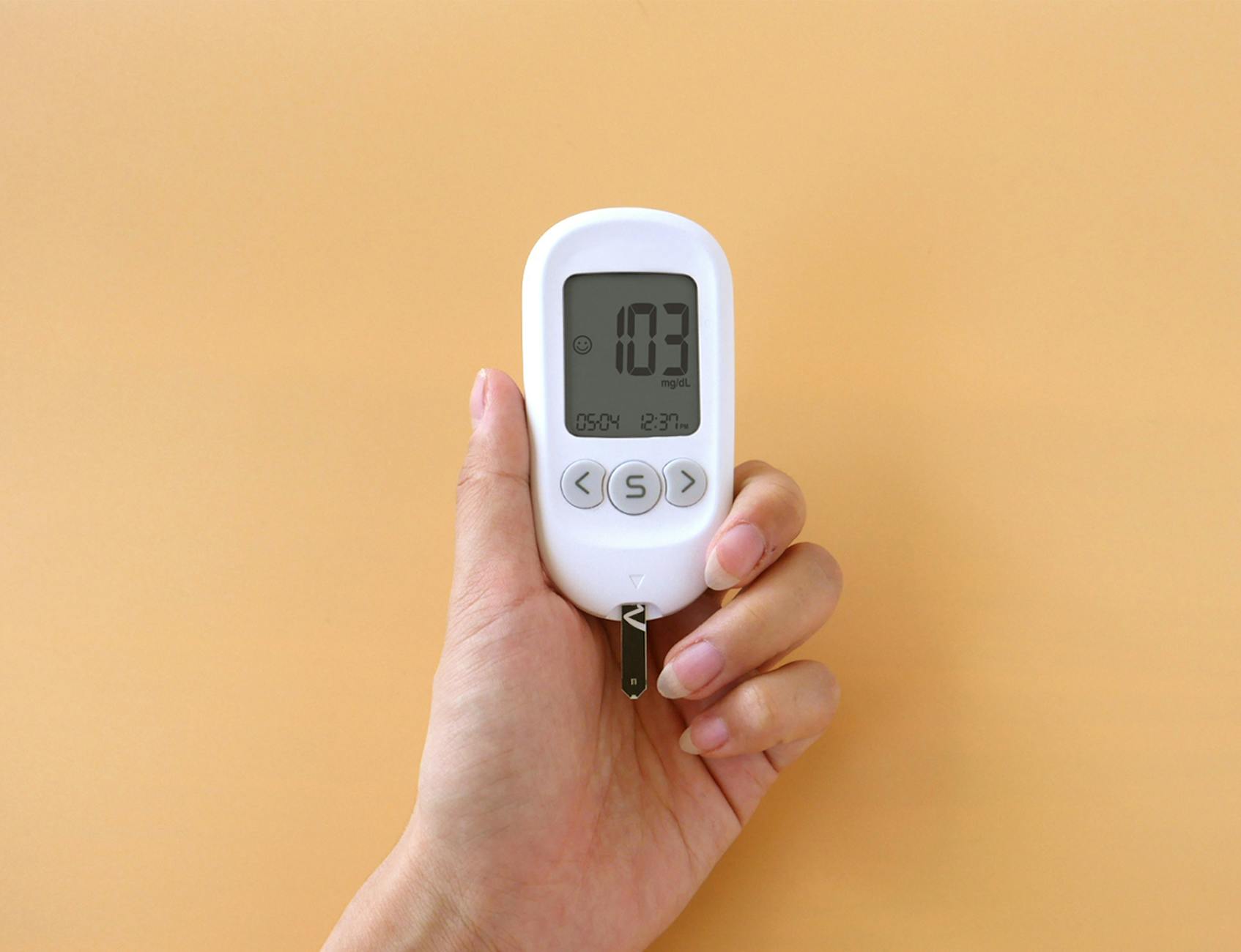
Recent research suggests that maintaining better control of blood glucose levels could significantly reduce the risk of dementia. While studies show varying degrees of risk reduction—ranging from 45% to 69% depending on the specific aspect of glucose control examined—the evidence points to a consistent pattern: when people with diabetes manage their blood sugar more effectively, their cognitive outcomes improve. A 2026 study from the University of Liverpool found that individuals with higher blood sugar levels after meals had a 69% higher risk of developing Alzheimer’s disease, highlighting how even the timing and magnitude of glucose fluctuations matter for brain health.
This connection between glucose control and dementia risk represents one of the more actionable findings in neurology research. Unlike some risk factors we cannot modify, blood sugar is something people can directly influence through diet, medication, exercise, and lifestyle choices. For the estimated 37 million people worldwide with dementia, and the hundreds of millions more living with diabetes, this relationship offers both hope and direction: tighter glucose management may protect cognitive function in ways we’re only now fully understanding.
Table of Contents
- Why Does Blood Sugar Control Affect Dementia Risk?
- What Recent Research Reveals About Glucose and Cognitive Decline
- The Impact of Post-Meal Blood Sugar Spikes on Brain Health
- How GLP-1 Medications May Transform Dementia Prevention
- Differences in Glucose Control Across Diabetes Types
- Diet and Lifestyle Strategies for Blood Sugar Stability
- Future Directions in Glucose Control and Brain Protection
- Conclusion
Why Does Blood Sugar Control Affect Dementia Risk?
blood sugar fluctuations damage the brain through multiple mechanisms. Chronically elevated glucose levels accelerate the accumulation of amyloid-beta and tau proteins—the toxic hallmarks of Alzheimer’s disease. Additionally, high blood sugar triggers inflammation throughout the body and brain, damages blood vessel walls, and impairs the cellular mechanisms that normally clear waste products from brain tissue. When blood vessels become compromised by diabetes, blood flow to critical brain regions diminishes, starving neurons of oxygen and nutrients they need to function. Research from UC Davis demonstrated this protective effect clearly: patients with type 1 diabetes who maintained hemoglobin A1c measurements between 6–6.9% and 7–7.9% for less than half their measured times experienced a 45% lower risk of dementia compared to those with consistently higher readings.
This finding is crucial because it shows that achieving “good enough” control matters. You don’t necessarily need perfect blood sugar levels at every moment—rather, maintaining generally tighter control over months and years provides measurable cognitive protection. The mechanism works in part through microvascular complications. When diabetes damages the tiny blood vessels that feed the brain, oxygen delivery becomes erratic. The brain, which consumes roughly 20% of the body’s oxygen despite comprising only 2% of body weight, becomes particularly vulnerable to these vascular injuries. Some experts compare chronic poor glucose control to chronic mild suffocation of brain tissue—not dramatic or immediately obvious, but damaging over time.
What Recent Research Reveals About Glucose and Cognitive Decline
The 2026 University of Liverpool study provided particularly striking data on post-meal glucose spikes. Researchers found that the blood sugar peaks that occur after eating—what physicians call postprandial hyperglycemia—may be more predictive of Alzheimer’s risk than overall average glucose levels. This was surprising to many clinicians, because traditional diabetes management has focused heavily on fasting glucose and average glucose over three months (measured by hemoglobin A1c). The Liverpool findings suggest that the shape and severity of glucose curves throughout the day matter more than we previously thought. This distinction has important implications for treatment strategy.
Two people might have identical average glucose levels over a month, yet one could have smooth, gradual rises and falls in blood sugar, while the other experiences dramatic spikes and crashes. According to the Liverpool research, the person with dramatic spikes faces significantly higher Alzheimer’s risk—the 69% increase mentioned in their findings. This explains why some diabetes medications work better than others for dementia prevention: drugs that smooth out glucose swings may protect the brain even if they produce similar average glucose levels to other medications. A limitation worth noting: the Liverpool study observed associations but did not prove causation through experimental intervention. We cannot yet say with absolute certainty that reducing post-meal spikes directly prevents dementia. However, the biological mechanisms are plausible, the statistical associations are strong, and the finding aligns with what we know about how glucose damages blood vessels and neurons.
The Impact of Post-Meal Blood Sugar Spikes on Brain Health
Blood glucose spikes trigger an oxidative stress cascade—a process where cells generate harmful free radicals that damage proteins, lipids, and DNA. In the brain, this oxidative damage accumulates in the regions responsible for memory and learning, primarily the hippocampus and entorhinal cortex. Even a single extreme glucose spike causes measurable inflammation. Repeated spikes, day after day for years, create chronic inflammation that researchers increasingly recognize as a hallmark of dementia development. Consider a person with type 2 diabetes who eats a large bowl of white rice or refined pasta at lunch. Their blood glucose might spike from 120 mg/dL to 280 mg/dL within 30 minutes.
Their pancreas responds by releasing insulin, but by then, the damage has begun—those 30-60 minutes of severely elevated glucose trigger oxidative stress and endothelial dysfunction (damage to blood vessel linings). In contrast, someone who eats the same meal but has their glucose rise more gradually to 160 mg/dL due to better insulin secretion or medication avoids the peak damage. Over a year, over a decade, these differences compound. The warning here is that glucose spikes can occur even when average glucose levels appear well-controlled on paper. A person taking once-daily diabetes medication might achieve a good hemoglobin A1c result, yet still experience dangerous post-meal spikes if their medication doesn’t adequately cover meals. This is why increasingly, physicians recommend continuous glucose monitoring—devices that track glucose every few minutes—rather than relying solely on finger-stick testing or infrequent lab work. The real-time data reveals patterns that traditional testing misses.

How GLP-1 Medications May Transform Dementia Prevention
GLP-1 receptor agonists represent a major advance in glucose control and potentially in dementia prevention. According to a 2025 systematic review published in Sage Journals, these medications reduced dementia risk by 53% in randomized controlled trials and by 40-70% in observational studies. GLP-1 drugs—which include semaglutide (Ozempic, Wegovy), tirzepatide (Zepbound), and others—work by stimulating the pancreas to release insulin when glucose rises, while simultaneously slowing stomach emptying and reducing appetite. What makes GLP-1 drugs particularly interesting for dementia prevention is that they do more than just lower glucose. They appear to have direct neuroprotective effects. Animal studies show that GLP-1 receptor activation reduces neuroinflammation, protects neurons from oxidative stress, and may enhance the brain’s ability to clear amyloid-beta.
The EVOKE trials, which began in 2021 and involve approximately 1,800 people with Alzheimer’s disease, are specifically testing whether semaglutide can slow cognitive decline. Results are expected in late 2025, and these findings could substantially reshape Alzheimer’s treatment. However, a critical caveat: the 53% and 40-70% reductions represent associations in observational and trial data, not universal outcomes. Not every person taking a GLP-1 drug will avoid dementia. Additionally, GLP-1 medications carry side effects—gastrointestinal disturbances are common, and rare cases of pancreatitis and thyroid concerns have been reported. Cost and availability also limit access; these medications currently remain expensive and are not universally covered by insurance. The comparison is worth making: GLP-1 drugs appear more effective than traditional diabetes medications for dementia prevention, but they’re not panaceas.
Differences in Glucose Control Across Diabetes Types
Type 1 and type 2 diabetes show different relationships with dementia risk, partly because the underlying physiology differs. In type 1 diabetes, the pancreas produces little to no insulin, so people require insulin injections to survive. In type 2 diabetes, the pancreas still produces insulin, but the body’s cells become resistant to it—initially the pancreas overcompensates, then gradually loses function. These different mechanisms mean that prevention strategies and risk profiles diverge. The UC Davis research showing 45% lower dementia risk focused specifically on type 1 diabetes patients who achieved good glucose control. Type 2 diabetes patients face additional risk factors.
According to the American Heart Association, people with type 2 diabetes who maintain optimal cardiovascular health—measured through the American Heart Association’s “Life’s Essential 8” metrics (which include healthy diet, physical activity, adequate sleep, stress management, and control of blood pressure, cholesterol, blood glucose, and body weight)—may substantially reduce their dementia and mild cognitive impairment risk. This suggests that for type 2 diabetes, comprehensive metabolic health, not just glucose control alone, provides the greatest cognitive protection. A limitation to acknowledge: we have less research specifically examining dementia prevention in type 1 diabetes compared to type 2. This is partly because type 2 diabetes is far more common, affecting roughly 90% of all people with diabetes. Studies tend to focus on larger populations. Additionally, type 1 diabetes patients often have already experienced awareness campaigns about cardiovascular complications, and some may have already implemented aggressive glucose control strategies, which could reduce dementia risk but makes it harder to study the “untreated” state.

Diet and Lifestyle Strategies for Blood Sugar Stability
For people without diabetes, preventing blood sugar dysregulation in the first place offers the most straightforward dementia prevention strategy. Dietary choices that minimize glucose spikes include avoiding highly refined carbohydrates, prioritizing fiber-rich whole grains, and distributing carbohydrates across multiple meals rather than consuming large amounts at once. A practical example: someone who currently eats a bagel with cream cheese for breakfast experiences a rapid glucose spike and subsequent crash by mid-morning.
Replacing that bagel with a vegetable omelet and a slice of whole-grain toast produces a smoother, gentler glucose curve that sustains energy and protects the brain. Regular physical activity—roughly 150 minutes of moderate exercise per week—improves insulin sensitivity, meaning muscles and other tissues more effectively take up glucose from the bloodstream, preventing spikes. Exercise also directly enhances brain-derived neurotrophic factor (BDNF), a protein that supports brain cell growth and survival. The comparison is notable: a person who controls glucose only through medication will likely benefit less than someone who combines medication with exercise and dietary changes, because exercise addresses the underlying problem (insulin resistance), while medication compensates for it.
Future Directions in Glucose Control and Brain Protection
The convergence of evidence—from glucose spikes and dementia risk, to GLP-1 trials, to cardiovascular health metrics—is creating a new framework for dementia prevention centered on metabolic health. Within the next few years, the EVOKE trial results will clarify whether semaglutide can slow cognitive decline in people who already have Alzheimer’s disease. If successful, this could expand GLP-1 use beyond diabetes and weight management into neurology.
Additional trials of other GLP-1 drugs are underway, and researchers are investigating whether combination approaches—pairing GLP-1 medications with other emerging Alzheimer’s therapies—might offer even greater protection. Looking further ahead, continuous glucose monitoring technology is becoming more affordable and user-friendly. A future prevention scenario might involve people with family history of dementia using CGM devices to identify their personal post-meal glucose spike patterns, then adjusting diet or medication proactively to prevent those spikes—essentially providing personalized dementia prevention based on individual metabolic response. This precision medicine approach, still largely experimental, could transform how we think about cognitive aging in metabolically vulnerable populations.
Conclusion
The evidence increasingly suggests that blood sugar control is one of the most modifiable determinants of dementia risk. Whether through type 1 diabetes management (45% risk reduction with tight control), reduction of post-meal glucose spikes (69% higher Alzheimer’s risk with large spikes), or emerging GLP-1 therapies (40-70% dementia risk reduction), the pathway is clear: glucose management protects the brain.
For people living with diabetes, this research underscores the importance of not just achieving an “acceptable” hemoglobin A1c, but actively minimizing glucose variability and post-meal spikes. For those without diabetes, the message is equally important: adopting the dietary, exercise, and lifestyle habits that naturally promote stable blood glucose—whole foods, regular movement, adequate sleep, stress management—offers cognitive protection that compounds over decades. As the EVOKE trials conclude and additional research emerges, our understanding of how to apply glucose control for dementia prevention will deepen, likely moving from general recommendations toward personalized strategies tailored to individual metabolic profiles and risk factors.
You Might Also Like
- managing blood pressure Could Reduce Dementia Risk by 45 Percent New Study Shows
- volunteering Could Reduce Dementia Risk by 48 Percent New Study Shows
- taking 8,000 steps a day Could Reduce Dementia Risk by 28 Percent New Study Shows
For more, see National Institute on Aging.