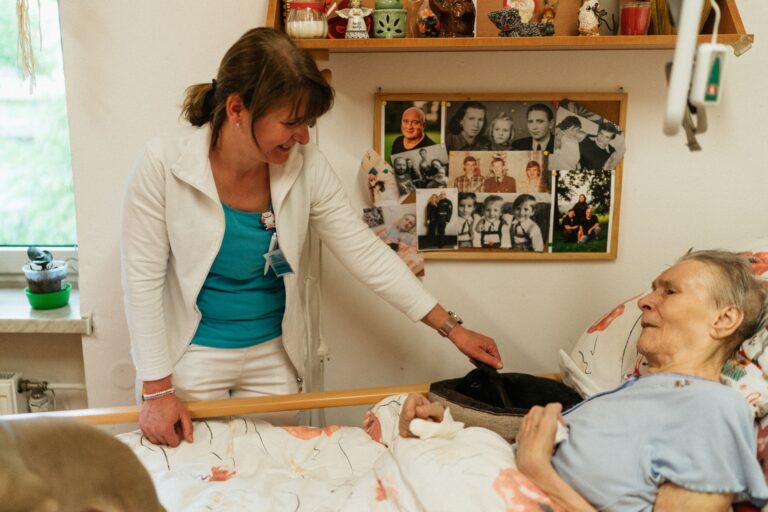
Compassion fatigue in dementia caregivers is a state of emotional and physical exhaustion that develops from the ongoing stress of caring for someone with progressive cognitive decline. It differs from ordinary tiredness—it’s a deep erosion of empathy and emotional resources that leaves caregivers feeling hollowed out and unable to continue providing the quality of care they once did. A daughter caring for her mother with Alzheimer’s disease might notice she no longer feels moved by her mother’s confusion or fear, and instead feels only irritation.
That detachment is often the first sign that compassion fatigue has taken hold. The condition affects both family members and professional caregivers, though family caregivers report higher rates of severe burnout. Dementia care is uniquely demanding because it offers no recovery milestones—the person being cared for only declines further, and the demands compound as cognition, mobility, and continence deteriorate. Unlike acute illness, where a patient improves and gratitude flows both directions, dementia caregiving is a one-way street of increasing need meeting finite reserves of patience and strength.
Medical information disclaimer: This article is for general educational purposes only and does not provide medical advice, diagnosis, or treatment. Always consult a physician or other qualified health professional about symptoms, medications, tests, or treatment decisions.
Table of Contents
- What Are the Warning Signs of Caregiver Burnout?
- How Does Compassion Fatigue Develop in Dementia Care?
- The Physical and Emotional Toll on the Primary Caregiver
- Practical Recovery Strategies for Dementia Caregivers
- Common Mistakes That Deepen Caregiver Burnout
- When Professional Support Becomes Necessary
- Building Sustainable Caregiver Routines
- Frequently Asked Questions
What Are the Warning Signs of Caregiver Burnout?
The early warning signs of compassion fatigue often appear so gradually that caregivers dismiss them as normal stress. Persistent irritability with the care recipient—snapping at them over small things, losing patience during toileting or medication routines—is one of the most common markers. Emotional numbness follows: the caregiver goes through the motions of care but feels nothing. They might change their mother’s incontinence briefs without the gentleness they once showed, or sit through a meal without making eye contact. Sleep disturbances worsen existing fatigue; the caregiver lies awake worrying about the next crisis or falls into exhausted sleep and wakes unrefreshed. Headaches, muscle tension, and gastrointestinal problems appear without clear medical cause. A second set of signs shows up in behavior and social withdrawal.
Caregivers stop answering calls from friends, cancel appointments, or become defensive when anyone suggests they look tired or stressed. They might start drinking more, sleeping more, or developing new habits like comfort eating or compulsive checking of the care recipient (constantly verifying the person hasn’t fallen or wandered). Some caregivers report a creeping sense that they’ve made a mistake, that they’re not good enough for this role, even when they’re performing excellently. Resentment toward the care recipient—or guilt about that resentment—creates a painful emotional loop. A key distinction: compassion fatigue is not the same as depression, though the two often coexist. A fatigued caregiver may not meet clinical depression criteria but still feels the specific hollowness of having given too much for too long with no reciprocal reward or improvement. They may feel fine on a day when they have complete respite, then crash again the moment caregiving resumes.
How Does Compassion Fatigue Develop in Dementia Care?
Compassion fatigue builds through a combination of factors unique to dementia caregiving. The relationship between caregiver and care recipient often becomes one-directional and medically focused; the person with dementia may no longer recognize the caregiver, may become aggressive or accusatory, or may make the same request hundreds of times per day. A son caring for his father with frontotemporal dementia might be accused of stealing money daily, despite having handled his father’s finances with complete integrity for years. Over time, absorbing these accusations without being able to explain or resolve them erodes the caregiver’s sense of competence and self-worth. The role itself eliminates normal boundaries. A spouse becomes a nurse, hygiene assistant, and medical decision-maker simultaneously, with no clear end to any shift.
There is no “going home” from dementia caregiving if you live with the person. The unpredictability adds another layer—the caregiver never knows if today will be a day of paranoia, aggression, or wandering attempts, so the nervous system stays on alert. Research into caregiver cortisol levels has shown that dementia family caregivers maintain elevated stress hormone levels even during sleep, a sign that their bodies never fully disengage from threat-assessment mode. A critical limitation: compassion fatigue is not a personal failing or a sign that the caregiver doesn’t love the person enough. It’s a measurable physiological response to unsustainable emotional labor. Telling a fatigued caregiver to “just be more patient” or “remember how much they would do for you” is not only ineffective but harmful—it adds shame on top of exhaustion.
The Physical and Emotional Toll on the Primary Caregiver
The body keeps score of caregiving strain in concrete ways. Dementia caregivers report significantly higher rates of hypertension, weakened immune function, and delayed wound healing compared to non-caregivers of the same age. A caregiver who catches a cold might find it lingers for three weeks instead of one. Some caregivers develop pain syndromes—neck and shoulder pain from physical assistance with transfers, or chronic headaches from jaw tension caused by stress. The risk of the caregiver developing cardiovascular disease increases, and this risk persists even years after caregiving ends. Emotionally, the caregiver’s internal experience becomes fragmented.
They may feel simultaneous love and anger toward the person being cared for, which generates profound guilt. They might fantasize about escape—an accident that would free them, a sudden death, or simply running away. These thoughts terrify many caregivers, who interpret them as evidence of their own cruelty, when in fact they are normal psychological pressure-release valves in an impossible situation. A wife caring for her husband with Lewy body dementia reported having moments where she hoped he would aspirate during eating, then felt sick with shame at that wish. The social isolation compounds the emotional damage. Caregivers are often too exhausted or embarrassed to maintain friendships, so the care recipient becomes their entire world—their primary source of conversation, and their primary source of grief, as they watch the person they know disappear incrementally.
Practical Recovery Strategies for Dementia Caregivers
Recovery from compassion fatigue begins with accepting that respite is not optional—it is a structural requirement, as essential as oxygen. Respite care arrangements (whether adult day programs, in-home sitters, or temporary residential placement) are not abandonment or failure; they are how sustainable caregiving actually happens. A caregiver who takes one four-hour break per week reports significantly better stress markers than one who never leaves the care recipient’s side. The specific form matters less than the consistency and reliability.
Physical exercise is one of the few interventions with evidence behind it for caregiver mental health. This doesn’t mean joining a gym or training for a race; a 20-minute walk most days produces measurable changes in cortisol and mood. Some caregivers find that expressing the unfiltered truth in therapy or support groups is essential—a space where they can say “I’m exhausted and resentful” without having to immediately add “but I love them anyway.” Support groups specific to dementia caregiving are more useful than general caregiver groups, because they normalize the specific griefs (the person no longer knows your name, the loss of adult conversation, the financial drain). A practical tradeoff: accepting professional help (hiring cleaning services, purchasing meal delivery) means spending money the caregiver might not have, but it creates space for the emotional labor that is actually irreplaceable. Some caregivers spend energy resisting outside help to preserve finances or maintain the appearance that they “have it all under control,” which actually accelerates their collapse.
Common Mistakes That Deepen Caregiver Burnout
Many well-intentioned caregivers make decisions that systematically deepen their fatigue. They attempt to provide 24/7 care without overnight help, believing the person is “safer” with them always present—while actually running themselves into a state where they become unsafe from exhaustion and medication errors. They delay having difficult conversations about future care (nursing homes, hospice decisions), which means these conversations happen in crisis mode rather than during planning windows. They isolate from their support system rather than disclosing how bad things are, partly out of shame and partly because “no one could understand.” Another trap: the caregiver takes on guilt for the disease progression. When their father becomes incontinent, they feel they’ve failed to “manage” it through toileting schedules.
When their mother’s memory worsens, they blame themselves for not stimulating her mind adequately. The disease follows its own course regardless of the caregiver’s effort, but many caregivers never internalize this reality. Over years, this accumulates into a corrosive sense of personal failure. A warning sign: when a caregiver begins minimizing the care recipient’s symptoms (“she’s fine, she just has normal aging”) or catastrophizing (“he’s never going to improve, why bother”), they’ve often crossed into a state where their judgment is compromised by exhaustion. This is the point at which involving other family members, care managers, or medical professionals becomes urgent—not to criticize the primary caregiver, but to provide objective assessment when the caregiver’s cognition has been damaged by sustained stress.
When Professional Support Becomes Necessary
There is a point at which a caregiver needs more than respite and self-care—they need clinical intervention. Rates of major depression among dementia caregivers range from 20 to 40 percent, and this should be screened and treated directly. A caregiver experiencing thoughts of harming themselves or the care recipient, or using alcohol or medications to cope with emotions, has reached a crisis point requiring professional mental health evaluation. This is not a moral judgment; it’s a sign that the caregiving situation itself has become unsafe.
Therapy specifically designed for caregiver stress (such as cognitive-behavioral therapy or interpersonal therapy) has evidence supporting its effectiveness. Individual therapy is sometimes more accessible than support groups for caregivers with severe social anxiety or those caring for people with aggressive behavior. Some people find that antidepressant or anti-anxiety medication is necessary while caregiving, and this is a legitimate medical treatment, not a weakness. A caregiver on the edge of breakdown who uses psychiatric medication to stabilize is making a wise choice for sustainability.
Building Sustainable Caregiver Routines
Sustainability in dementia caregiving means designing a routine that prioritizes the caregiver’s basic functioning before it prioritizes perfection in the care recipient’s environment. A caregiver who ensures they eat three times daily and sleep six hours per night, but whose house isn’t vacuumed, has their priorities straight. One who manages a spotless house but has lost fifteen pounds and hasn’t slept properly in months is on a collision course with crisis.
Some caregivers find that structured daily rituals—a morning walk before caregiving begins, a specific hour that’s “theirs” each week, a regular call with a trusted friend—become the psychological anchors that make everything else bearable. Others need a radical restructuring: moving to a smaller house that requires less maintenance, or accelerating the move to residential care sooner than they initially planned, recognizing that keeping someone at home at the cost of the caregiver’s life isn’t actually honoring the care relationship. The most sustainable arrangements often look different from what the caregiver imagined at the start, and that shift reflects wisdom, not failure. A son who initially swore he would never place his mother in a facility, but who after three years of caregiving recognizes he’s no longer capable of meeting her medical needs safely, is making a decision grounded in reality.
- —
Frequently Asked Questions
How is compassion fatigue different from caregiver burnout?
Compassion fatigue is specifically the erosion of empathy and emotional capacity that comes from sustained high-stress caring. Burnout is broader and can include exhaustion from workload, lack of control, and feeling undervalued. A caregiver can experience both simultaneously, but compassion fatigue is the loss of the emotional connection itself.
Can compassion fatigue be reversed?
Yes, but it requires genuine changes to the caregiving structure—not just self-care additions. Rest alone won’t fix it if caregiving resumes at the same unsustainable level. Recovery typically involves respite, professional support, and sometimes restructuring the living arrangement or level of direct care the person provides.
Is it normal to feel resentment toward someone with dementia?
Yes. The person may no longer recognize you, may accuse you of crimes you didn’t commit, or may make requests that are impossible to fulfill. Feeling angry or resentful under these circumstances is a normal human reaction, not evidence of moral failure.
Should I tell the person with dementia that I’m struggling?
Not directly, especially in early-stage dementia when they can retain and worry about information. Instead, address your needs through respite arrangements, professional support, and honest conversations with other family members or your medical team.
What’s the minimum respite needed to prevent compassion fatigue?
Research suggests caregivers benefit most from regular, predictable breaks—ideally at least four hours weekly. The specific amount varies by caregiver, but consistency matters more than total hours.
Is it okay to move someone with dementia to a care facility to protect my own health?
Yes. Placing someone in a facility is a medical decision, not a moral failing. If home caregiving is driving you toward a mental health crisis or if the care recipient requires services you cannot safely provide, residential placement becomes the responsible choice.