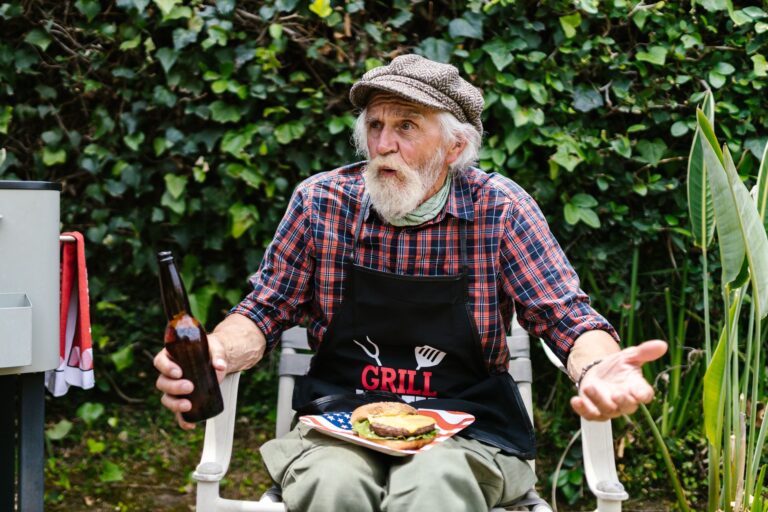
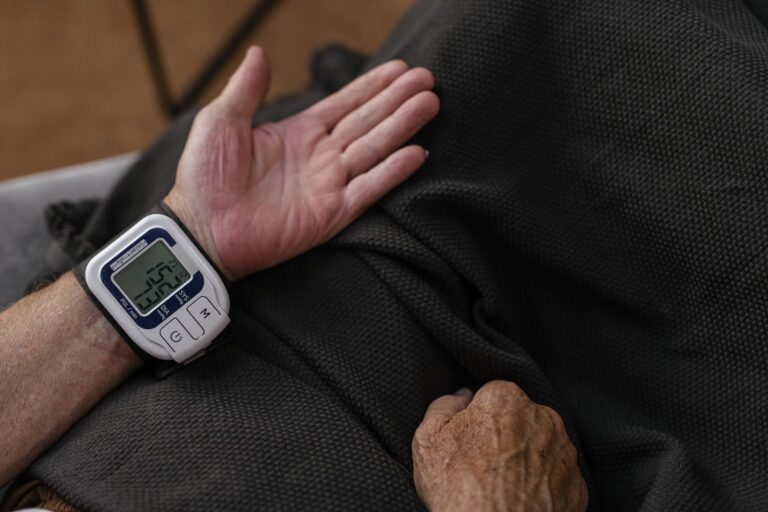
Community conversation sits at the center of this dementia and brain health question.
Community conversations are structured dialogue events where people gather to discuss topics that matter to them—and in dementia care communities, these conversations are increasingly vital. The format brings together patients, caregivers, healthcare professionals, and community members to share experiences and perspectives on challenges ranging from caregiver burnout to cognitive decline prevention. Research shows that over 150 conversation guides are available on platforms dedicated to this methodology, covering topics from healthcare access to long-term care planning. This article explores what topics dementia care communities are focusing on right now, why these conversations matter, and how you can participate in or start meaningful community dialogue around brain health and caregiving.
The need for these conversations has never been stronger. Dementia care is deeply personal—what works for one family may not work for another—and community conversations create spaces where real experiences are shared without the formality of medical settings. For those caring for someone with dementia or navigating cognitive health concerns themselves, these discussions offer practical wisdom alongside emotional support. This article covers the major topics currently being discussed in dementia communities, the frameworks that make conversations effective, and how to engage with or start conversations in your own network.
Table of Contents
- What Are Today’s Most Pressing Topics in Dementia Care Communities?
- Understanding the Framework Behind Effective Community Conversations
- How Dementia Communities Are Using Conversations to Share Real Solutions
- Starting or Joining Community Conversations in Your Area
- Common Obstacles and How to Navigate Them in Community Conversations
- Topics Beyond the Obvious: What Emerging Conversations Are Gaining Attention
- The Future of Community Conversation in Dementia Care
- Conclusion
What Are Today’s Most Pressing Topics in Dementia Care Communities?
community conversations in dementia care are centering on several interconnected challenges. Caregiver burnout and mental health support dominate discussions—the invisible toll of 24/7 care, financial strain, and grief that comes before death. Alongside this, communities are focused on cognitive decline prevention and early detection: what lifestyle changes actually delay symptoms, how to recognize warning signs, and when to seek professional evaluation. Access to care and affordability is another major thread, particularly for families without strong insurance or living in rural areas with limited memory care specialists.
The practical logistics of dementia care also feature heavily in community conversations. Topics include medication management, navigating the healthcare system, planning for long-term care or home modifications, and maintaining quality of life as the disease progresses. In 2026, conversations increasingly include the role of technology—digital health monitoring, telehealth options for specialists, and apps designed specifically for memory support. These discussions aren’t academic; they’re rooted in real experiences of families trying to find solutions that actually fit their lives. For example, many communities are discussing which telehealth platforms work best for cognitive assessments when local specialists aren’t available, or how to evaluate in-home care agencies when you can’t be present to observe.

Understanding the Framework Behind Effective Community Conversations
Effective community conversations follow a structured format designed to go deeper than casual chat. The methodology typically includes an opening that establishes common ground, guided discussion prompts that keep conversation focused rather than scattered, time for diverse voices to contribute (not just the loudest person), and a closing that identifies shared understanding or next steps. This structure matters because it prevents conversations from becoming either complaint sessions or lectures. When dementia care topics are discussed this way—with facilitation and clear questions—people leave not just having vented but having learned from each other.
However, the effectiveness of these conversations depends on who shows up and feels safe participating. A conversation about caregiver stress hosted only at a hospital may not reach families who’ve had negative experiences with that institution. A conversation about cognitive decline held entirely online may exclude older adults or those without reliable internet. The best community conversations in dementia care are those that recognize these barriers and actively work to include diverse perspectives—adult children caring for parents, spouses navigating early-onset dementia, people with cognitive concerns about their own future, and professionals like geriatricians and social workers. The format works, but only when the community aspect is genuine rather than an afterthought.
How Dementia Communities Are Using Conversations to Share Real Solutions
In practice, dementia care communities are using structured conversations to solve problems together. One example: a community hospital might host a conversation about “Managing Medications at Home” where a pharmacist explains common safety issues, but the real value comes from family caregivers sharing their setups—pill organizers they’ve designed, systems for remembering doses, how they handle multiple specialists prescribing different medications. Participants leave not just with expert information but with five working systems they can adapt.
Similarly, conversations about “What to Expect in the First Year of a Diagnosis” allow newly diagnosed people and long-term caregivers to share timelines and emotional milestones that formal patient education often misses. These conversations acknowledge that everyone’s journey is different—a conversation about financial planning looks different for a single person than for a family with multiple properties or a couple with limited savings. By bringing people together who are at different points in the dementia journey, conversations become both validation (you’re not alone in this fear) and practical resource-sharing.

Starting or Joining Community Conversations in Your Area
If you’re looking to participate in community conversations about dementia and brain health, start by checking with your local Alzheimer’s Association chapter, senior centers, memory care facilities, or hospitals with neurology departments—many now host regular structured conversations. Libraries increasingly facilitate these discussions as well, given their role as community gathering spaces. Online platforms have expanded access too; Living Room Conversations offers structured guides for remote discussions, which matters for people in rural areas or those unable to travel. If no conversation exists in your area, starting one doesn’t require special credentials.
The Living Room Conversations methodology provides free guides that ask thoughtful questions while respecting that people have different views on sensitive topics. What matters is selecting co-facilitators you trust, choosing a neutral space, and being clear about the conversation’s scope—”What helps you manage stress as a caregiver?” is more focused than “Let’s talk about dementia,” which could sprawl. One limitation: small conversations may lack diversity of experience. A conversation with only spouse caregivers will miss the perspectives of adult children or people with dementia themselves. Trade-offs exist between intimacy (smaller groups feel safer) and breadth (larger groups bring more ideas).
Common Obstacles and How to Navigate Them in Community Conversations
One challenge that emerges repeatedly in dementia care conversations: competing priorities. An adult child juggling work and caring for a parent has different constraints than a retired spouse. A person with early-stage dementia has different concerns than someone in advanced stages. When these groups discuss together, the conversation can feel disjointed unless the facilitator actively names these differences and finds the connecting thread.
A caregiver focused on “How do I take a break?” and someone with dementia focused on “How do I stay engaged?” aren’t having conflicting conversations—both center on quality of life—but without skilled facilitation, the conversation might feel dismissive of one concern or the other. Another obstacle: trust. Some families have had negative experiences with healthcare providers or institutions and may be skeptical of conversations hosted in those spaces. There’s a real barrier when someone thinks, “I’m sitting in a hospital discussing my parent’s care, but this hospital discharged her without proper follow-up.” The best communities acknowledge this history rather than ignoring it. A hospital starting conversations should expect to earn trust through consistency, transparency about what will happen with information shared, and follow-through on any commitments made during the conversation.

Topics Beyond the Obvious: What Emerging Conversations Are Gaining Attention
As dementia communities mature in their conversations, new topics are emerging. Genetic testing and risk—for families with familial Alzheimer’s disease, the question “Should I be tested?” raises complex emotional, financial, and family dynamics issues that benefit from community wisdom. Dietary approaches and what the evidence actually shows (versus marketing hype) is another growing conversation topic.
And increasingly, conversations include “What does a good death look like when dementia is involved?”—a topic many families avoid until crisis hits, but discussing proactively allows people to clarify values and preferences. Healthcare disparities are also becoming more visible in community conversations, particularly discussions about how dementia diagnosis, treatment, and support differ across racial and socioeconomic lines. These conversations require skill to facilitate well, but they’re essential because solutions that work for well-resourced families may be irrelevant for families with different constraints.
The Future of Community Conversation in Dementia Care
The trend toward community conversations in healthcare is strengthening, not diminishing. Institutions increasingly recognize that patient expertise—knowledge gained through living with a condition—is valuable data. Rather than experts telling people what to do, the model is shifting toward co-design: communities identifying problems, and then professionals and communities working together on solutions. For dementia care specifically, this means conversations that once happened informally in support groups are becoming more structured, documented, and used to inform policy or service design.
What’s also shifting is accessibility. Virtual community conversations now reach people across geographic areas, though technology alone doesn’t create community. The most successful conversations—whether in-person or online—combine structure, skilled facilitation, and genuine space for voices that don’t usually get heard. For dementia care communities, that means ensuring conversations include not just family caregivers but people with dementia themselves, professionals who listen rather than lecture, and the wisdom of people who’ve navigated hard decisions and learned from them.
Conclusion
The question “What topics are you focused on right now?” has different answers depending on who you ask in the dementia care community. Some families are wrestling with early diagnosis and prevention. Others are in crisis mode managing behavioral changes or navigating end-of-life planning. Community conversations work because they create space for all these realities to coexist, be heard, and inform each other.
The over 150 conversation guides available through platforms dedicated to structured dialogue reflect growing recognition that people want to engage meaningfully, not just passively receive information. If you’re involved in dementia care—whether as a caregiver, someone with cognitive concerns, or a professional—consider what community conversation you need to have. That might mean joining an existing group, finding a structured conversation guide online, or initiating conversations with a small trusted circle. These conversations matter because dementia doesn’t happen in isolation; it happens within families and communities. The conversations that acknowledge this complexity and create space for real voices are the ones that actually change how people navigate care.
You Might Also Like
- What Are You Thinking About These Days? Share Your Current Thoughts
- Community Health Programs Spread Alzheimer’s Prevention Knowledge
- National Events Mobilize Support for Alzheimer’s Disease Research
For more, see NIH MedlinePlus — cognitive testing.