Community health sits at the center of this dementia and brain health question.
Community health programs are actively spreading Alzheimer’s prevention knowledge by training health workers, implementing evidence-based interventions, and coordinating at the federal level to reach millions of older Americans before cognitive decline becomes severe. These programs recognize that early intervention—through physical activity, nutritious eating, social engagement, and cardiovascular risk management—can slow or prevent the onset of Alzheimer’s disease in people with risk factors. For example, community centers in partnership with local health departments are now running structured programs that teach residents about subjective cognitive decline, a warning sign that affects 10% of adults aged 45 and older, and provide practical guidance on lifestyle modifications that have been proven to protect brain health.
The urgency is clear: more than 7 million Americans currently live with Alzheimer’s disease, with annual care costs totaling $384 billion. Without intervention, nearly 13 million Americans could have Alzheimer’s by 2050. Community health programs represent a critical shift from waiting to treat disease after diagnosis to actively preventing it beforehand. This article explores how these programs work, what strategies they teach, the federal initiatives driving them, and how individuals can engage with these resources in their own communities.
Table of Contents
- How Federal Initiatives Are Expanding Community Prevention Networks
- The Science Behind Community Prevention Programs
- Training Community Health Workers as Prevention Ambassadors
- Core Prevention Strategies Community Programs Teach
- Barriers to Widespread Knowledge Distribution
- The Economic Impact of Prevention at Scale
- The Evolving Landscape of Community Dementia Prevention
- Conclusion
How Federal Initiatives Are Expanding Community Prevention Networks
The U.S. government has significantly increased its commitment to community-based Alzheimer’s prevention. Starting in 2025, the National Institute on Aging and the Administration for Community Living are launching Dementia-Capable Community Health Worker programs through the national aging network. These specialized programs train health workers to identify at-risk individuals, provide education about prevention strategies, and connect people with resources.
The Alzheimer’s Disease Program Initiative (ADPI) is working at state and community levels to develop dementia-capable supports and services that go beyond treating diagnosed cases to preventing disease onset. The Healthy brain Initiative marks a significant milestone in 2026—20 years of coordinated public health progress on dementia—and has been accelerated through the BOLD Infrastructure Act, which provides additional funding and policy support. The CDC’s Alzheimer’s and Related Dementias Public Health Centers of Excellence further strengthen this network by funding implementation of effective interventions and education for public health officials, healthcare professionals, and the public. However, these programs vary in scope and intensity by region; rural communities and underserved urban areas often have less access to these expanding networks than metropolitan areas, creating a gap in who benefits from prevention knowledge.

The Science Behind Community Prevention Programs
The evidence supporting community prevention efforts comes from rigorous research, particularly the U.S. POINTER trial and related studies, which demonstrate that lifestyle interventions can improve cognition and protect brain health in older individuals with risk factors for Alzheimer’s. Physical activity, nutritious eating, social engagement, and managing cardiovascular risks—including hypertension, diabetes, and high cholesterol—have all been shown to reduce cognitive decline in people at risk. Community programs leverage this research by translating scientific findings into practical, accessible guidance that people can implement in their daily lives.
The Alzheimer’s Association has been instrumental in promoting these risk reduction strategies through one-on-one engagement with public health officials, regional learning collaboratives, community meetings, technical assistance, webinars, and publications. The strength of this approach is its tailoring to local contexts; a prevention program in Miami might emphasize activities different from one in Minnesota. One important limitation, however, is that prevention strategies work best when started before significant cognitive decline begins. Someone already experiencing moderate memory problems may not see the same benefit as someone who starts prevention in their 50s or early 60s, underscoring why early identification is central to community programs.
Training Community Health Workers as Prevention Ambassadors
The shift toward Dementia-Capable Community Health Workers represents a fundamental change in how Alzheimer’s prevention knowledge reaches the public. Rather than relying solely on formal healthcare settings, these trained workers—often members of the communities they serve—educate neighbors, conduct screenings, and provide ongoing support. A community health worker in a predominately Latino neighborhood, for example, might lead discussion groups in Spanish about managing blood pressure and staying physically active, culturally tailored approaches that formal medical settings might miss.
FY26 research funding includes $113 million in additional resources dedicated to Alzheimer’s and related dementias research, supporting both the science behind prevention and the training programs for community health workers. These workers receive specialized education on recognizing early warning signs of cognitive decline, understanding the progression of dementia-related diseases, and communicating effectively with diverse populations about brain health. Their presence in communities is crucial because they often have the trust of residents and understand local barriers to health behaviors that medical professionals might overlook.

Core Prevention Strategies Community Programs Teach
Community health programs emphasize four evidence-based pillars: physical activity, cognitive engagement, social connection, and cardiovascular health management. Physical activity is promoted not as extreme fitness but as sustainable movement—walking, dancing, gardening, or swimming three to five times weekly—that improves blood flow to the brain. Nutritious eating typically follows a Mediterranean or DASH diet pattern, emphasizing vegetables, whole grains, fish, and healthy fats while limiting processed foods and excess sodium.
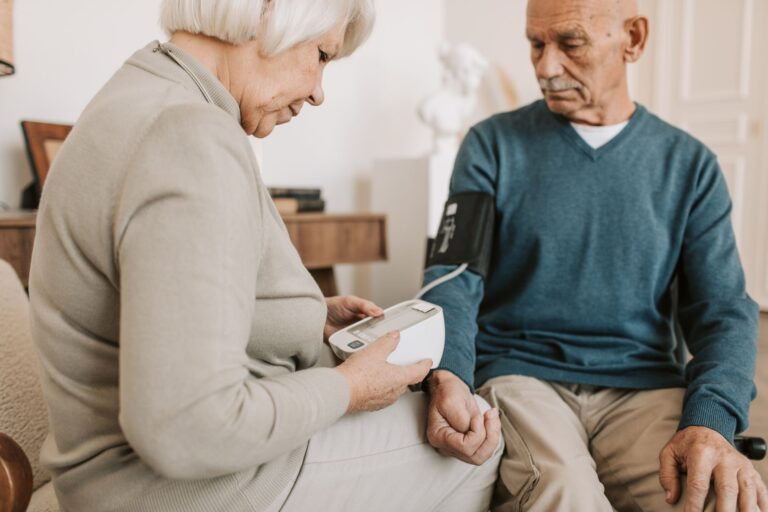
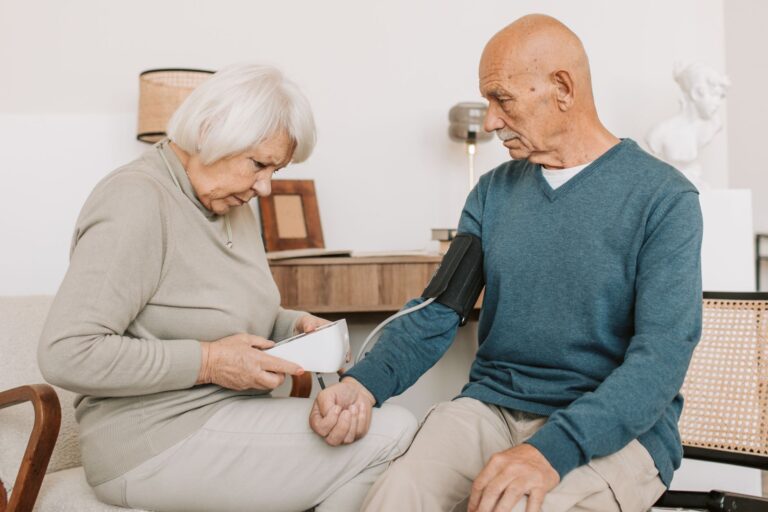
Social engagement encompasses both in-person and sometimes digital connection; programs acknowledge that isolation is a significant risk factor for cognitive decline, yet some older adults face transportation barriers or live in communities with limited social opportunities. Cardiovascular risk management addresses blood pressure control, diabetes management, and cholesterol monitoring—conditions that accelerate cognitive decline but are often treatable. A community program might provide resources on low-cost blood pressure monitoring clinics, coordinate with local pharmacies for medication access, and teach blood pressure reduction techniques alongside lifestyle strategies. The tradeoff is that these comprehensive programs require coordination among multiple agencies and providers; simpler single-focus programs are easier to implement but less likely to address the multifactorial nature of Alzheimer’s risk.
Barriers to Widespread Knowledge Distribution
Despite growing federal support, significant barriers limit how widely prevention knowledge spreads through community programs. Geographic disparities are substantial—densely populated urban areas have more established aging networks and health programs, while rural communities and regions with healthcare shortages struggle to implement comprehensive prevention initiatives. Some communities lack the local expertise to train and supervise community health workers, or cultural mistrust of health institutions limits uptake of prevention programs even when they are available. Financial constraints also affect program reach.
While federal funding has increased—with $3.98 billion in total resources needed for Alzheimer’s research and prevention work—this funding must be distributed across prevention, research, treatment, and care services. A warning: community programs cannot substitute for individual access to healthcare. Someone living in poverty may lack transportation to prevention classes, may not have time to attend programs due to work obligations, and may face barriers to implementing prevention strategies even when informed about them. Additionally, prevention strategies are most effective for individuals with genetic or lifestyle risk factors but without advanced cognitive decline; for someone already diagnosed with early-stage Alzheimer’s, while lifestyle modifications still provide some benefit, they cannot reverse disease progression.
The Economic Impact of Prevention at Scale
The economic case for community prevention programs is compelling. The current $384 billion annual cost of caring for Americans with Alzheimer’s is unsustainable; preventing even a modest portion of cases through community intervention could yield enormous savings. If community prevention programs could delay Alzheimer’s onset by an average of five years for even 10% of the high-risk population, the national savings would exceed $10 billion annually.
Federal investment in community health workers and prevention networks, while substantial, costs far less than providing nursing care, medications, and specialized services for millions of additional dementia patients. For example, a well-established community prevention program operating in a region of 100,000 older adults with high Alzheimer’s risk might cost $2-5 million annually to operate but prevent dozens of cases over a decade—each prevented case representing hundreds of thousands in avoided care costs, plus preserved quality of life for individuals and families. This economic logic has driven increased federal commitment, including the allocation of the $113 million in additional research resources and the expansion of the Healthy Brain Initiative through BOLD Infrastructure Act funding.
The Evolving Landscape of Community Dementia Prevention
The field of community-based Alzheimer’s prevention is rapidly evolving. Emerging approaches include integration of digital tools and telehealth options that can reach homebound or rural residents, partnerships between healthcare systems and community organizations to identify high-risk individuals earlier, and incorporation of screening for subjective cognitive decline into routine health visits.
The National Plan to Address Alzheimer’s Disease, originally launched in 2012 and updated in 2024, continues to identify community engagement and prevention as central pillars of the nation’s dementia strategy. Looking forward, the next phase of community program development will likely focus on deepening reach into underserved populations, improving sustainability through hybrid funding models that combine federal grants with local and private resources, and rigorously evaluating program effectiveness to identify and scale the most impactful approaches. As the population ages and the burden of Alzheimer’s grows, community health programs will become increasingly essential infrastructure for public health.
Conclusion
Community health programs are successfully spreading Alzheimer’s prevention knowledge by training health workers, implementing evidence-based strategies, and creating networks that reach older adults before cognitive decline progresses. The emergence of Dementia-Capable Community Health Worker programs in 2025, increased federal funding, and coordination through initiatives like the Healthy Brain Initiative and ADPI demonstrate the nation’s commitment to prevention alongside treatment and care. With more than 7 million Americans currently living with Alzheimer’s and projections of nearly 13 million by 2050, community-based prevention is no longer optional—it is essential public health infrastructure.
If you are an older adult concerned about cognitive decline, or if you are a family member wanting to help aging loved ones, begin by connecting with your local aging services agency or visiting Alzheimers.gov to find community programs in your area. These programs offer free or low-cost education, screening opportunities, and practical guidance on physical activity, nutrition, social engagement, and cardiovascular health—evidence-based strategies that can reduce your risk. Community health workers and prevention specialists are ready to help you start or strengthen prevention efforts now.
You Might Also Like
- Major Federal Investment Targets Cognitive Decline Prevention
- Longevity Research Intersects With Alzheimer’s Prevention Strategies
- Innovative Research Projects Funded for Alzheimer’s Prevention
For more, see CDC — Alzheimer’s and Dementia.