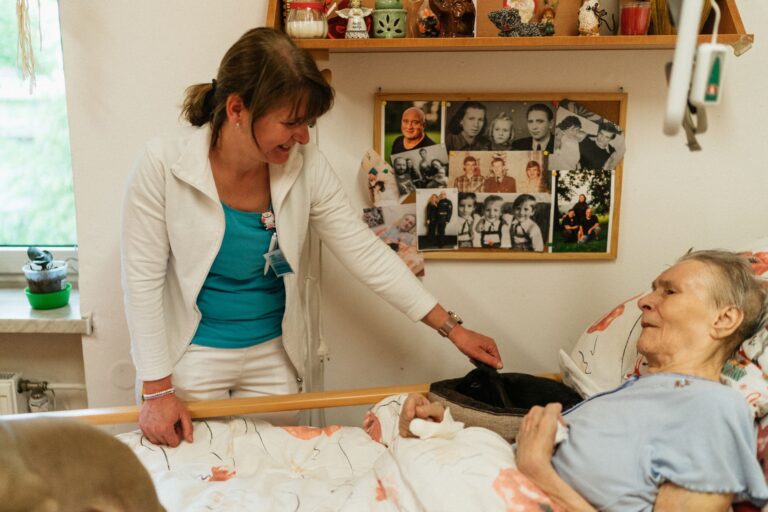
Community-academic dementia partnerships pair universities and health systems with community groups to improve care in real clinics. For working caregivers, the practical payoff from the 2026 National Institute on Aging summit cycle is a short checklist to ask local programs now. Community-academic means research and services embedded in everyday care, not a distant trial site. That focus matters because most family caregivers balance paid work with daily dementia support.
Medical information disclaimer: This article is for general educational purposes only and does not provide medical advice, diagnosis, or treatment. Always consult a physician or other qualified health professional about symptoms, medications, tests, or treatment decisions.
Table of Contents
- What the 2026 summit put on the table
- What these partnerships actually do
- Questions to ask a local program
- Why work-compatible support matters
What the 2026 summit put on the table
The National Institute on Aging hosted the Dementia Care and Caregiving Research Summit virtually on March 17-19, 2026 to review progress and identify unmet research needs, according to federal agency updates. Sessions included Economic Impacts of Dementia, The Role of Community in Dementia Care Research, and Rigorous Caregiving Intervention Development.
The agenda links money, community, and methods. Work costs matter, local partners matter, and caregiver programs need stronger testing before wider use.
What these partnerships actually do
The NIA IMPACT Collaboratory builds national capacity for pragmatic dementia trials embedded in health systems, according to the Collaboratory overview. Pragmatic means testing care where patients already receive it, with care partners included.
Its STRIDE Consortium, established in 2026, links academic institutions, health systems and community partners to improve care for high-risk populations. High-risk here means groups more likely to face gaps in access, support, or outcomes.
Questions to ask a local program
As of the April 2026 federal update, the summit final report and research gaps were listed as publishing soon. Caregivers do not need to wait for that document to get clearer care now. Use these four questions at intake or review, especially when work hours limit daytime calls:.
- Who is my navigator or point person, and how do I reach help after hours?
- What dementia training does program staff complete, and how often?
- How and when do you update our care plan with me?
- What respite can we use this year, and how do we request it?
Why work-compatible support matters
An estimated 7.4 million Americans age 65 and older live with Alzheimer's dementia. More than 12 million unpaid caregivers provided 19.6 billion hours of care in 2025. About 63 million U.S.
adults provide family caregiving and seven in ten family caregivers are employed, according to AARP and National Alliance for Caregiving survey findings. Evening contact, clear plans, backup coverage, and respite protect both work and care. Medicare's GUIDE Model pays participating dementia programs for care coordination, caregiver education, 24/7 support, and up to $2,500 yearly in respite services per eligible patient, according to the CMS GUIDE Model page. Ask whether a local clinic participates and what caregiver supports are covered.
You Might Also Like
- Early Dementia Diagnosis Economics in the 2026 NIA Report: Questions Working Dementia Caregivers Can Ask Local Care Programs
- Care Navigation Research Priorities in the 2026 NIA Report: What the Report Means for Working Dementia Caregivers
- CMS GUIDE Dementia Quality Measures for 2026: Questions Family Caregivers Can Ask a Provider