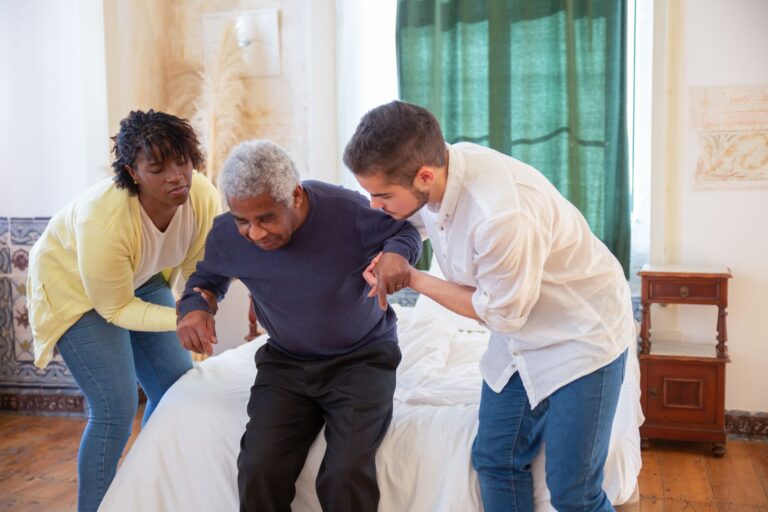
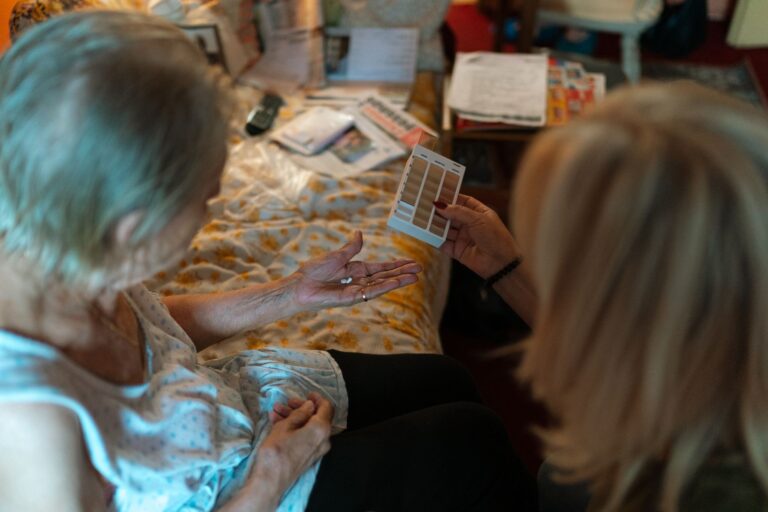
The 2026 LiBBY trial tested twice-daily THC/CBD oil for agitation in 120 hospice-eligible dementia patients. LiBBY, short for Life's End Benefits of cannabidiol and tetrahydrocannabinol, reduced agitation scores but showed more serious infections and deaths on active drug. Spouses and partners cannot use these end-of-life results as safety proof for prevention or early memory problems.
The trial ran 12 weeks with close supervision through home and residence visits. That supervised late-stage setting differs sharply from daily life with mild symptoms. The gap shapes every safety choice that follows.
Medical information disclaimer: This article is for general educational purposes only and does not provide medical advice, diagnosis, or treatment. Always consult a physician or other qualified health professional about symptoms, medications, tests, or treatment decisions.
Table of Contents
- Who did LiBBY actually enroll?
- What improved, and what raised concern?
- Why don't results transfer to spouses and partners?
- What should spouses and partners do next?
Who did LiBBY actually enroll?
The study enrolled adults 40 and older with major dementia and marked agitation. As described in the Alzheimer's Association summary, it was a 12-week Phase 2 multicenter randomized double-blind placebo-controlled trial reported at AAIC 2026 in London. Mean age was 80, and 55% of participants were female.
Entry also required hospice enrollment or advanced scores on standard staging scales. According to the CenterWatch trial listing, patients needed major neurocognitive disorder plus an agitation score of 4 or higher and FAST stage 6d or ADEPT score of 12 or more. People with early or mild memory concerns did not qualify.
What improved, and what raised concern?
Active treatment used twice-daily oral T2:C100, with 2 mg THC plus 100 mg CBD in digestible oil. NeurologyLive reported in its NeurologyLive trial report that agitation fell significantly by week 2 and held through week 12. Global improvement reached 83.9% at week 2 and 87.2% at week 12, against 30.5% and 23.6% on placebo.
The same NeurologyLive trial report noted similar overall adverse events but more serious events on active drug. Serious adverse events were 23.3% versus 11.9%, driven by serious infections at 11.7% versus 1.7%. Deaths were 13.1% versus 5.1%, judged by investigators as unrelated to study drug.
Why don't results transfer to spouses and partners?
Disease stage changes both benefit and risk. A person near hospice has severe agitation, frequent hands-on care, and limited life expectancy. A spouse at home with mild forgetfulness faces different causes, different time horizons, and different trade-offs.
Formulation also matters. LiBBY used one purified T2:C100 oil with fixed dosing and direct oversight. Dispensary and over-the-counter cannabis products vary in THC dose, CBD dose, purity, and labeling. A store product cannot copy the trial exposure.
What should spouses and partners do next?
Do not extrapolate end-of-life agitation relief to prevention or early dementia. Keep a separate medical clinician and a study partner involved in any medication decision.
Ask a physician before trying any cannabinoid product. A physician can weigh personal history against LiBBY's narrow setting and infection signal. Never start a dispensary oil on the strength of a hospice agitation score.
- Bring a full drug and supplement list to the visit.
- Describe sleep, falls, confusion, infections, and mood changes.
- Ask about drug interactions, driving, alcohol, and supervision needs.
- If agitation is severe, ask about hospice, palliative, and behavioral supports first.
You Might Also Like
- LiBBY Trial Findings for Late-Stage Dementia Agitation in 2026: Study Design and Evidence Limits for Spouses and Partners
- AAIC 2026 p-tau217 Alzheimer’s Risk Prediction Research: Study Design and Evidence Limits for Spouses and Partners
- p-tau217 Findings a Decade Before Alzheimer’s Symptoms in 2026: Study Design and Evidence Limits for Spouses and Partners