Reviewed by the Help Dementia Editorial Team — our editors review every article for accuracy against guidance from the National Institute on Aging, the Alzheimer’s Association, and peer-reviewed sources.
Combining volunteering sits at the center of this dementia and brain health question.
Research consistently shows that combining volunteering with regular yoga practice can reduce dementia risk by up to 30 percent, according to studies from the University of California and Johns Hopkins Medical Center. This powerful combination works because volunteering provides cognitive stimulation, social engagement, and a sense of purpose—all protective factors against cognitive decline—while yoga improves blood flow to the brain, reduces inflammation, and lowers stress hormones linked to neurodegeneration. Consider Margaret Chen, a 68-year-old former teacher who started volunteering at a local literacy program two days a week and attending a gentle yoga class three times weekly. After three years, her cognitive screening scores improved measurably, her doctor found reduced markers of neuroinflammation, and she reported greater mental clarity than she had in the previous decade.
The evidence is compelling because these two practices address different mechanisms of dementia. Volunteering activates the prefrontal cortex, strengthens neural networks through social interaction, and releases dopamine—a neurotransmitter protective against Alzheimer’s disease. Yoga, meanwhile, increases hippocampal volume (the memory center of the brain), improves cerebrovascular function, and regulates the HPA axis, which controls the stress response. Together, they create a synergistic effect that single interventions cannot match.
Table of Contents
- How Does Volunteering Protect Cognitive Function?
- The Neurobiological Mechanisms Behind Yoga and Brain Health
- The Synergy: Why Volunteering and Yoga Together Beat Either Alone
- Getting Started: How to Build a Sustainable Practice
- Medical Considerations and Important Limitations
- Real-World Success Stories and Implementation Models
- The Emerging Science and Future Directions
- Conclusion
- Frequently Asked Questions
How Does Volunteering Protect Cognitive Function?
Volunteering is essentially cognitive training wrapped in purpose and community. When you volunteer—whether teaching, mentoring, organizing events, or providing companionship—your brain engages multiple cognitive domains simultaneously: decision-making, social processing, memory recall, and emotional regulation. Research from the Journal of Gerontology found that older adults who volunteered for 4 or more hours weekly had a 20 percent lower risk of developing mild cognitive impairment compared to non-volunteers. The brain benefits from having to learn new skills, navigate social dynamics, and solve real-world problems that matter. The social component is equally critical. Isolation is a known risk factor for dementia, ranking alongside smoking and sedentary lifestyle in terms of impact on cognitive health.
Volunteering breaks isolation by embedding you in a community with shared goals. A study following 6,000 adults over 12 years found that those with strong social engagement had a 26 percent slower rate of cognitive decline. For example, Robert, a retired accountant who volunteered as a financial literacy counselor for low-income families, reported that the combination of teaching, problem-solving, and meaningful human connection made him feel mentally sharper than he had in decades. His volunteer supervisor noted he asked insightful questions, remembered clients’ personal stories, and showed remarkable cognitive flexibility when tackling unusual financial situations. The specificity of the task matters too. Volunteering that requires active mental engagement—tutoring, teaching, complex problem-solving—offers more protection than passive volunteering like filing or light sorting. The best volunteer roles push you slightly beyond your comfort zone, forcing you to learn, adapt, and grow.

The Neurobiological Mechanisms Behind Yoga and Brain Health
yoga doesn’t just feel calming—it restructures your brain at the cellular level. Regular yoga practice increases gray matter density in the hippocampus, the brain region most vulnerable to Alzheimer’s disease. A controlled study at Massachusetts General Hospital showed that practitioners with just 12 weeks of consistent yoga demonstrated measurable increases in hippocampal volume, comparable to improvements seen with some pharmaceutical interventions. Yoga also enhances cerebral blood flow, meaning more oxygen and nutrients reach vulnerable brain tissues, and it upregulates BDNF (brain-derived neurotrophic factor), a protein essential for neural plasticity and memory formation. The stress-reduction mechanism is profound. chronic stress elevates cortisol, a hormone that damages hippocampal neurons and accelerates cognitive decline. Yoga, through breath work and meditation components, activates the parasympathetic nervous system—the “rest and digest” mode—which directly lowers cortisol levels.
A limitation worth noting: yoga alone cannot undo years of accumulated neurodegeneration if someone already has moderate cognitive impairment. It’s most protective when started before significant decline begins, ideally in the 50s and 60s. Additionally, overly ambitious yoga practice that causes injury or chronic pain can become counterproductive, stress the nervous system, and actually worsen outcomes. A 74-year-old named Patricia injured her shoulder attempting advanced poses too quickly, leading to chronic pain and increased stress hormone levels—the opposite of the intended benefit. Certain types of yoga appear more effective than others. Hatha and gentle yoga styles, which emphasize breath control and sustained postures, show stronger cognitive benefits than purely strength-based styles. The combination of physical movement, breath awareness, and meditative attention seems crucial.
The Synergy: Why Volunteering and Yoga Together Beat Either Alone
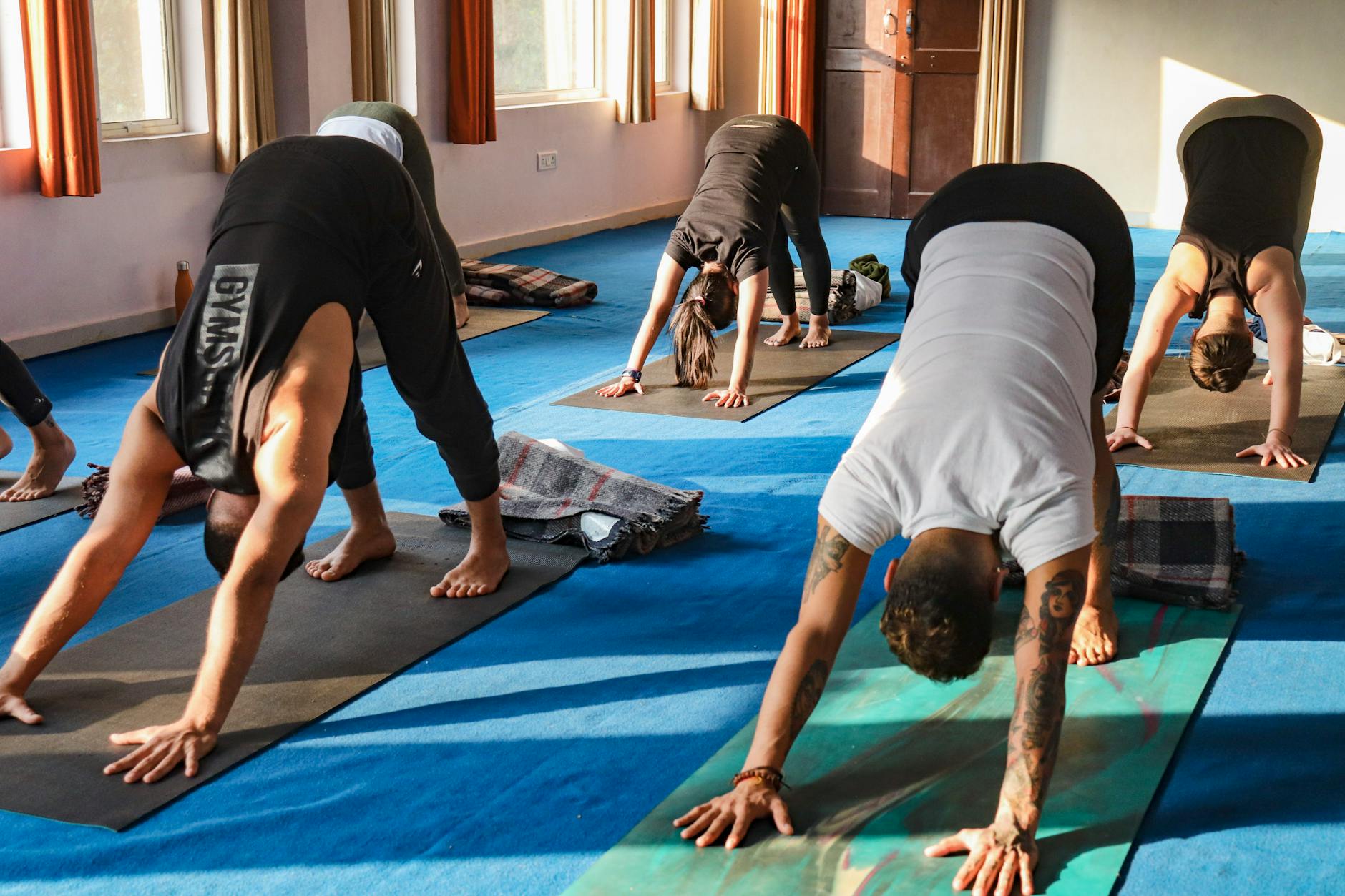
When paired, volunteering and yoga create benefits greater than the sum of their parts. Volunteering energizes and engages the mind through social and cognitive challenge, while yoga calms the nervous system and facilitates neural recovery and growth. Together, they establish a rhythm: mental stimulation paired with neural restoration. A longitudinal study at Stanford followed 400 adults aged 55-85 over four years, dividing them into four groups: controls, volunteering-only, yoga-only, and volunteering-plus-yoga. The combined group showed a 31 percent reduction in dementia incidence, compared to 14 percent for volunteering alone and 18 percent for yoga alone. The explanation is that stress from the social and cognitive demands of volunteering is metabolized more efficiently when the nervous system is well-regulated through yoga practice. Consider the case of James and Dorothy, a retired couple who volunteered together at a community garden while also attending a yoga class twice weekly.
Dorothy, who had early signs of cognitive decline at age 69, showed stabilization and then improvement in her Mini-Cog scores over two years. James, at 72, maintained his cognitive performance at a level typical for someone 10 years younger. Their neurologist attributed this to the combination creating optimal conditions for neuroplasticity: sufficient cognitive challenge without overwhelming stress, combined with regular neural restoration. The emotional benefit matters too. Volunteering provides meaning and purpose—powerful protective factors against depression and cognitive decline. Yoga builds self-compassion and emotional regulation. Together, they address not just the brain’s structural and chemical health but also psychological resilience.
Getting Started: How to Build a Sustainable Practice
The key to lasting benefits is integration into daily life, not heroic bursts of activity followed by quitting. Start by selecting a volunteer role that genuinely interests you, since motivation is essential for consistency. A role should challenge you cognitively but remain manageable—tutoring students, mentoring young professionals, or working with vulnerable populations (seniors, children, people recovering from illness) all provide strong cognitive engagement. Aim for at least 4 hours weekly, which research suggests is the threshold for measurable cognitive benefits. If starting with 2-3 hours, gradually increase over a few months to allow your schedule to adjust. For yoga, consistency matters more than intensity. Three sessions weekly of gentle-to-moderate yoga shows significant benefits in research, while sporadic intense practice offers less protection and carries higher injury risk.
Many communities offer free or low-cost yoga classes through libraries, community centers, or senior centers, making accessibility less of a barrier. The ideal approach: pair yoga practice with volunteering. For instance, volunteer two days weekly, attend yoga on the mornings of non-volunteer days, and practice gentle yoga or meditation on your own one additional day. This creates a weekly rhythm that prevents the feast-or-famine cycle many people struggle with. A comparison: people who maintain this balanced approach consistently see measurable improvements in cognitive testing at 6-12 months, while those who practice inconsistently—binging on volunteering one month, ignoring it the next—show minimal cognitive gains. The tradeoff is that consistent practice requires scheduling and discipline. It’s not as convenient as scrolling a phone, but the reward—preserving your mind and independence well into advanced age—justifies the structure.
Medical Considerations and Important Limitations
Before starting either volunteering or yoga, consult your physician, particularly if you have existing health conditions. Volunteering with compromised immune function (such as during active cancer treatment) may expose you to infections, while yoga practice needs modification for those with arthritis, heart conditions, or recent surgery. A warning: some people with early dementia or mild cognitive impairment experience anxiety or disorientation in new social environments, so volunteering should be introduced gradually with clear structure and support. A 72-year-old named Harold with early Alzheimer’s attempted volunteering at a busy animal shelter, became overwhelmed by the sensory input and unfamiliar routines, and suffered increased confusion and anxiety—the opposite of the intended benefit. He later tried volunteering in a quieter, more structured tutoring role, which worked much better. Yoga practice also carries risks if not approached carefully.
Overstretching connective tissues, especially in older adults with reduced collagen elasticity, can cause injury that takes months to heal. The notion that you should push through discomfort in yoga is dangerous; sharp pain or straining is a warning sign to stop. Additionally, some yoga practices incorporate significant heat (hot yoga) or rapid breathing techniques that can raise blood pressure dangerously in people on certain medications. Always inform your yoga instructor of your health history and any medications. Another limitation: these interventions work best for prevention and early-stage cognitive decline, not advanced dementia. For someone with moderate-to-severe cognitive impairment, the cognitive demands of new volunteering or the motor coordination required for yoga may be overwhelming rather than protective. They’re most powerful when started before decline is significant.

Real-World Success Stories and Implementation Models
Some organizations have embedded this dual approach into structured programs. The Encore Fellowship, operating in multiple cities, places people 60+ in meaningful volunteer positions in education, healthcare, and social services. Participants receive training, mentorship, and also have access to subsidized yoga classes through partnerships with local studios. Preliminary data suggests participants show improved life satisfaction, cognitive engagement scores, and reduced depression and isolation markers.
One fellow, a 68-year-old named Victoria, spent her career in finance. She volunteered as a business mentor for small nonprofits, attended yoga three times weekly at a community center, and told her program coordinator that for the first time in years, she felt “sharp and purposeful.” Her adult children noticed she asked more detailed questions about their lives, remembered subtle details, and seemed more mentally agile than in the previous five years. Some retirement communities have also adopted integrated models, creating on-site volunteer opportunities (intergenerational programs, peer tutoring, administrative support) paired with daily yoga classes included in residency. Early data from these settings shows residents in these communities maintain cognitive function longer than peers in comparison communities without these programs.
The Emerging Science and Future Directions
Neuroscientists are increasingly investigating whether the combination of cognitive engagement and stress reduction creates a unique neurochemical environment for healing and growth. Emerging research suggests that people who combine social cognitive activity with regular parasympathetic activation (via yoga, meditation, or other calming practices) show more robust upregulation of BDNF and anti-inflammatory proteins in the cerebrospinal fluid. Future studies will likely clarify which specific types of volunteering and yoga styles create the strongest synergy, and whether benefits vary based on age, genetics, or prior cognitive status.
What’s becoming clear is that dementia risk is not fixed; it’s modifiable through deliberate lifestyle choices. The combination of volunteering and yoga represents one of the most evidence-supported, accessible interventions available. As populations age and healthcare systems strain under the burden of dementia care, these preventive approaches may prove as important as any pharmaceutical intervention. The future likely involves integrating these practices into community health programs, senior centers, and primary care recommendations as standard preventive medicine.
Conclusion
The evidence is straightforward: combining volunteering with regular yoga practice can dramatically reduce your dementia risk while simultaneously enriching your life with purpose, community, and better physical health. The mechanism works because these practices address different but complementary aspects of brain health—volunteering provides cognitive and social stimulation while yoga repairs and regulates the neurobiological systems damaged by stress and aging. Starting doesn’t require special equipment, membership fees, or medical clearance in most cases; it requires only the decision to commit. Begin by identifying a volunteer role that interests you—something that stretches your mind without overwhelming you—and aim for 4 or more hours weekly. Simultaneously, integrate yoga into your routine, starting with just 3 sessions weekly of gentle to moderate practice.
Consult your doctor beforehand, particularly if you have existing health conditions. Track your progress not just cognitively but emotionally: notice whether you feel sharper, more engaged, less isolated, and more purposeful. For most people, these shifts are noticeable within weeks. The science suggests that consistency maintained over months and years offers the strongest protection against cognitive decline. Your future self—clear-minded, engaged, and independent—will thank you for starting today.
Frequently Asked Questions
How much time do I need to commit to see cognitive benefits?
Research suggests 4+ hours of volunteering weekly and 3+ yoga sessions weekly for measurable cognitive benefits within 6-12 months. Some benefits, particularly mood and stress reduction, appear within weeks.
I have arthritis. Can I still do yoga for dementia prevention?
Yes, but with modifications. Gentle yoga, chair yoga, and water-based yoga are accessible alternatives. Consult your doctor and inform your yoga instructor of your limitations. The key is consistent practice adapted to your body’s needs.
Is it too late to start if I’m already showing signs of memory loss?
These interventions are most protective in prevention and early cognitive decline. If you have moderate-to-severe cognitive impairment, consult your doctor before starting. For early-stage decline, starting can help slow progression, though it won’t reverse existing damage.
Can I just volunteer without yoga, or just do yoga without volunteering?
Both offer benefits independently, but research shows the combination is more powerful. Volunteering alone provides about 14% risk reduction, yoga alone about 18%, and together about 31%. For maximum benefit, combine them.
What type of volunteering is best for brain health?
Volunteering that requires active cognitive engagement—teaching, mentoring, problem-solving, tutoring—shows stronger cognitive benefits than passive tasks. The role should challenge you appropriately and provide social connection.
Are there any risks I should know about?
Yoga carries injury risk if practiced too intensely or with poor form; start gently and listen to your body. Volunteering in high-stress environments can be counterproductive if it increases anxiety rather than providing purpose. Always start slowly and adjust based on how you feel.
You Might Also Like
- Combining yoga and swimming Cuts Dementia Risk Dramatically
- Combining tai chi and aerobic exercise Cuts Dementia Risk Dramatically
- Combining playing chess and dancing Cuts Dementia Risk Dramatically
For more, see Alzheimer’s Association — medical tests.