The 2026 WHO dementia guideline says cognitive training may be offered to people with mild cognitive impairment to reduce risk of further decline. Mild cognitive impairment means memory or thinking changes beyond normal aging that do not remove daily independence. The World Health Organization published the second edition of its risk-reduction guidance on 15 July 2026, updating the 2019 version, according to the WHO announcement. Cognitive training means structured practice of memory, attention, or problem-solving, usually with a clinician, coach, or computer program.
Medical information disclaimer: This article is for general educational purposes only and does not provide medical advice, diagnosis, or treatment. Always consult a physician or other qualified health professional about symptoms, medications, tests, or treatment decisions.
Official resources:
- Read the official guidance from Who — Use this primary source to verify the official guidance.
- Read the original report from Un — Use this primary source to review the complete report.
Table of Contents
- What does "may be offered" mean?
- How is training different from staying mentally active?
- What should be combined with brain exercise?
- What should you ask your clinician?
What does "may be offered" mean?
The wording is a conditional recommendation based on low-certainty evidence, according to the Guideline Central summary. Conditional means many people with mild cognitive impairment could choose it, but it is not a strong must-do rule.
Low certainty means the benefit looks possible yet remains uncertain. Clinicians should weigh personal preferences, cost, time, access, and other health needs before suggesting it. Training is offered as one risk-reduction option, not prescribed alone as dementia treatment.
How is training different from staying mentally active?
Training is structured and goal-directed, while cognitive stimulation is broader everyday mental engagement. Stimulation may be encouraged through tabletop games and other mentally stimulating activities, based on very-low-certainty evidence.
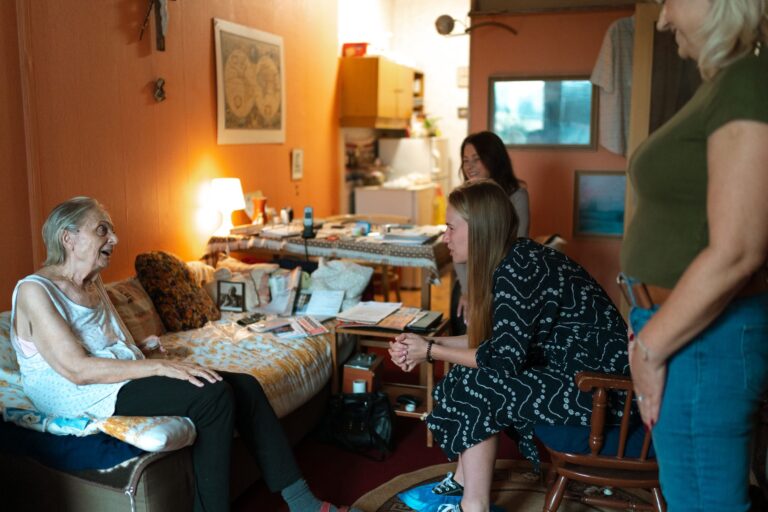
Social activity has a separate place in the update. Social-activity interventions may be recommended for adults with normal cognition or mild cognitive impairment, while broad social inclusion should be supported across life. In practice, a person might do memory exercises, play cards, and join a weekly group.
What should be combined with brain exercise?
No single habit guarantees prevention for one person. The World Health Organization states that up to 45% of dementia risk across the population could be prevented or delayed by addressing modifiable factors, according to the WHO announcement.
The update places training alongside physical and medical measures emphasized for risk reduction. Readers with mild cognitive impairment can review this wider set with a clinician:.
- regular physical activity and a healthy diet
- avoiding tobacco and limiting alcohol
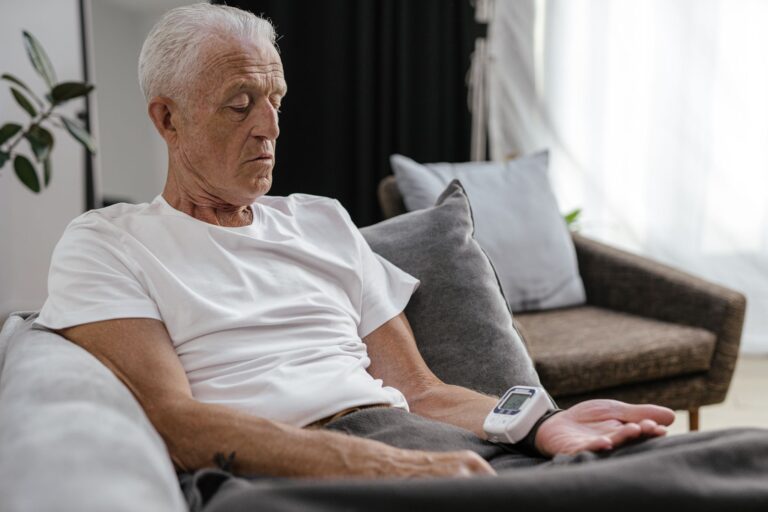
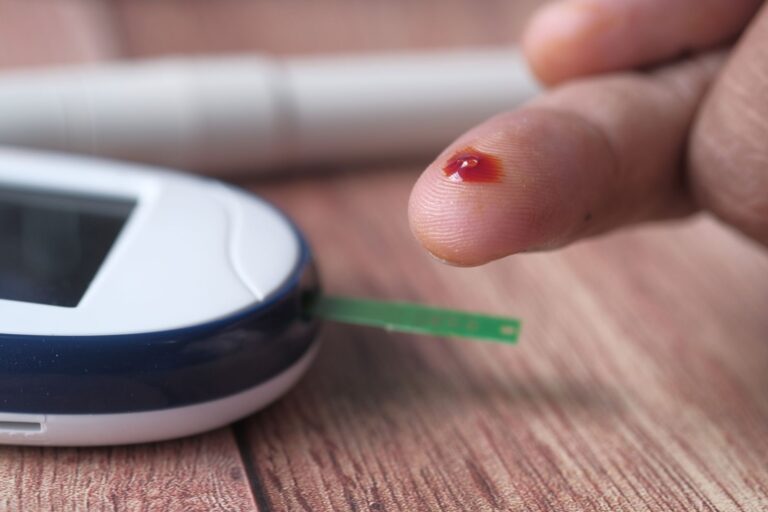
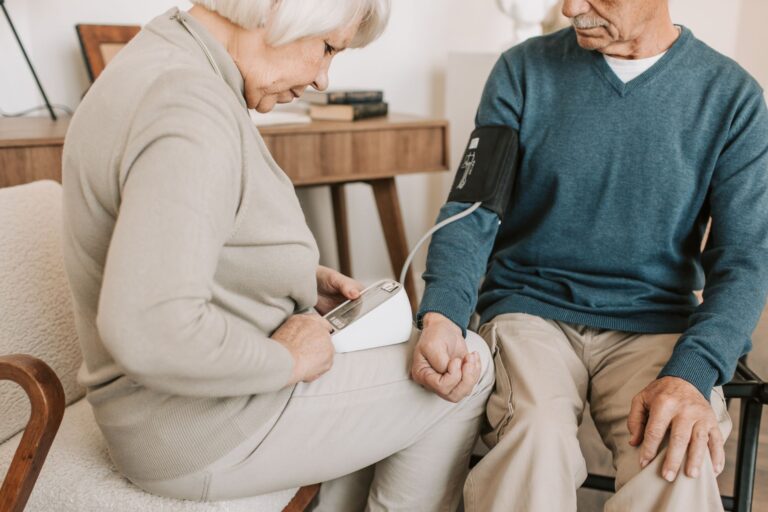
- controlling blood pressure and diabetes
- checking hearing and managing hearing loss
What should you ask your clinician?
The recommendations apply to adults living without dementia, including normal cognition and mild cognitive impairment, for lowering future risk, according to the UN News report. They are not proven treatment for established dementia.
Bring a short list of current medicines, sleep issues, mood changes, hearing concerns, and daily schedule. Ask which training program fits those needs, how progress will be judged, and when to stop or change course if burden outweighs benefit.
You Might Also Like
- Social Connection in the 2026 WHO Dementia Guideline: What the Update Means for People With Mild Cognitive Impairment
- High Cholesterol in the 2026 WHO Dementia Guideline: What the Update Means for People With Mild Cognitive Impairment
- Hearing Aids in the 2026 WHO Dementia Guideline: What the Update Means for People With Mild Cognitive Impairment