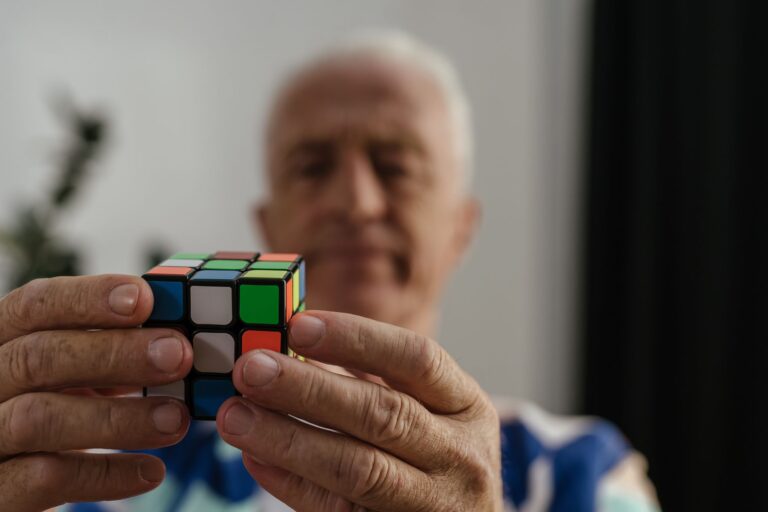
The World Health Organization says up to 45% of dementia risk could be prevented or delayed the WHO announcement. For people with mild cognitive impairment (MCI), memory or thinking changes that leave daily life intact, the 2026 update points to tailored risk reduction. The second edition updates WHO's 2019 guidance and was released 15 July 2026. The figure builds on the Lancet Commission's 2024 estimate of about 45% of cases tied to 14 life-course factors, per Pallas Health.
Medical information disclaimer: This article is for general educational purposes only and does not provide medical advice, diagnosis, or treatment. Always consult a physician or other qualified health professional about symptoms, medications, tests, or treatment decisions.
Table of Contents
- Where does the 45% estimate come from?
- What is new in the 2026 guidance?
- What does WHO suggest for MCI?
- Which treatments and habits should you review with your clinician?
Where does the 45% estimate come from?
The number describes populations, not personal odds. SageWiz's analysis notes the 45% is a theoretical maximum if all risks were removed, not a promise that any person with MCI can cut risk by 45% SageWiz's analysis of the guideline. Most MCI recommendations are conditional with low or very low certainty.
That distinction matters for families. Removing risks across a whole country could prevent many cases. An individual still faces age, genes, and chance that lifestyle care cannot erase.
What is new in the 2026 guidance?
WHO broadened risk assessment from 14 factors toward 19. Political.org reporting on the guideline lists the additions as stroke, traumatic brain injury, vision impairment, sleep problems, HIV, air pollution, and menopausal hormone therapy.
The shift widens the checkup. Blood pressure and diabetes care now sit beside hearing, vision, sleep, mood, activity, smoking, alcohol, weight, cholesterol, isolation, and air exposures. For MCI clinics, it supports looking beyond memory scores.
What does WHO suggest for MCI?
WHO says cognitive training may be offered, cognitive stimulation may be encouraged, social-activity interventions may be recommended, and physical activity may be recommended for people with MCI the WHO guidance summary. Training means structured practice for memory or attention. Stimulation means engaging discussion, games, crafts, or music.
Social and physical activity carry the same weight as mental exercise. A walking group with conversation, a class, volunteering, or dance combines movement, thinking, and contact. Frequency and enjoyment matter more than intensity for staying with it.
Which treatments and habits should you review with your clinician?
For the first time, WHO suggests hearing aids may be offered to adults with hearing loss to reduce cognitive-decline risk, reports Hearing Practitioner Australia on the guideline Hearing Practitioner Australia's report on the guideline. That reverses the 2019 view of insufficient evidence.
WHO also points MCI care toward blood pressure, diabetes, cholesterol, hearing and vision care, per HealthProfessionalRadio. Use your next visit to make that review concrete: Bring blood pressure readings, medicine bottles, hearing concerns, sleep problems, mood changes, and current activity to that visit.
- check blood pressure, blood sugar, cholesterol, and medicines
- test hearing and vision and treat loss promptly
- set an exercise, diet, tobacco, alcohol, sleep, and mood plan
- choose cognitive, social, and community activities you will keep
You Might Also Like
- Cross-Cultural Dementia Risk Programs After LatAm-FINGERS 2026: What the Update Means for People With Mild Cognitive Impairment
- What PROTECT-Cog Adds to Lifestyle Research in 2026: What the Findings Mean for People With Mild Cognitive Impairment
- NIA’s 2026 Big Data for Aging Research Workshop: What the Findings Mean for People With Mild Cognitive Impairment