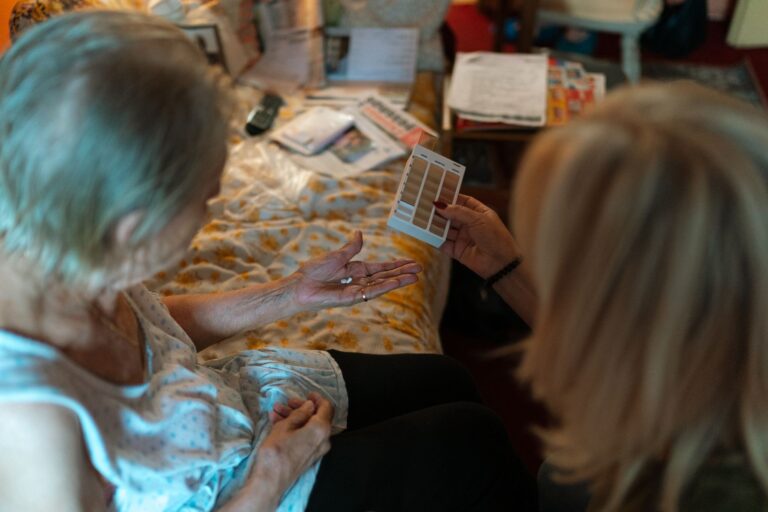
Cognitive decline doesn’t directly cause hostility—the behavior emerges as a response to unmet needs, confusion, and the frustration of losing control. When dementia damages the parts of the brain that process language, emotion regulation, and memory, a person can no longer express what they need or understand why they feel threatened. What looks like unprovoked anger or aggression is often the only remaining way their brain can communicate distress.
This shift happens gradually in some cases, suddenly in others, but the underlying mechanism is the same: the brain’s ability to interpret, respond appropriately, and communicate has been compromised. A person in the middle stages of dementia might lash out when a caregiver tries to help with bathing, not because they’re being difficult, but because they don’t remember agreeing to it, can’t process the explanation being given, and feel physically vulnerable. That same person might become hostile during a doctor’s visit because the clinical setting, the stranger’s touch, and the inability to understand what’s happening triggers fear. The hostility isn’t character—it’s a symptom of brain injury trying to express something that language no longer can.
Table of Contents
- How Cognitive Decline Rewires Behavioral Control
- Hidden Triggers That Masquerade as Personality Change
- Fear and Misunderstanding as Drivers of Aggression
- Spotting Environmental Triggers and De-escalation in the Moment
- How Isolation and Loss of Control Compound Aggression
- Physical Health Conditions That Trigger Behavioral Change
- The Caregiver’s Invisible Injury and When to Seek Support
- Frequently Asked Questions
How Cognitive Decline Rewires Behavioral Control
The prefrontal cortex, which manages impulse control, planning, and emotional regulation, is often one of the first regions affected by neurodegenerative disease. As this area deteriorates, the ability to pause before reacting disappears. Where a healthy person might feel annoyed and express it calmly, someone with advancing dementia may feel the same annoyance and immediately strike out, cry, or scream. The filter between feeling and action breaks down. Simultaneously, the hippocampus and memory centers fail, so context vanishes. A person may not remember that the caregiver is a family member, that they agreed to medication an hour ago, or that this is the same place they’ve lived for ten years.
Each moment arrives without reference to what came before, creating constant disorientation. The brain interprets ambiguous situations as threats. When threat perception is amplified and the ability to regulate response is gone, hostility becomes the default. Research shows that behavioral changes often precede or accompany memory loss, not follow it. Some people display increasing irritability, verbal aggression, or physical lashing out long before they forget recent conversations or lose their way in familiar places. This suggests that aggression may emerge from damage to emotional regulation circuits before overall memory decline becomes severe.
Hidden Triggers That Masquerade as Personality Change
The most damaging misconception is that hostility stems from deliberate nastiness or ingratitude. In reality, specific environmental or physical triggers are almost always present—they’re just not obvious to observers. Uncontrolled pain is one of the most common culprits. A person with moderate dementia cannot effectively communicate “my arthritis is flaring” or “my back hurts,” so instead they become hostile when touched, resist care, or lash out during transfers. Studies consistently show that addressing pain—through medication, positioning, or environmental adjustment—reduces aggressive behavior in dementia patients by 30–50%. Overstimulation is another major hidden trigger.
Loud environments, multiple people talking, harsh lighting, or too many activities happening at once overwhelm the damaged brain’s ability to filter sensory input. A person who seems fine during a quiet morning might become hostile within minutes of a busy family visit or a lunch in a noisy cafeteria. The brain cannot process all the competing information, and aggression becomes the response to sensory overload. Medication changes or side effects are frequently overlooked. Certain antidepressants, anticholinergics, or sedatives can increase irritability or disinhibition. A person started on a new blood pressure medication or pain reliever might suddenly become hostile—not because of the original condition, but because of the drug’s neurological impact. This is a critical limitation of the dementia-equals-hostility assumption: the behavior may have a straightforward medical cause that has nothing to do with cognitive disease progression.
Fear and Misunderstanding as Drivers of Aggression
Dementia fundamentally impairs the ability to understand what’s happening in the present moment. A caregiver approaching with a washcloth might be perceived not as a family member preparing for a bath, but as a stranger approaching with an object. From the person’s perspective, the situation is genuinely threatening. Aggression is a reasonable response to a perceived threat, even when the threat doesn’t exist. This is especially pronounced when memory loss creates time confusion. A person who no longer recalls their spouse of 50 years may become defensive or hostile when that spouse tries to touch them or insist on compliance with care.
The spouse experiences heartbreak at being treated like a stranger, but the person with dementia is reacting to what feels like an intruder’s unwanted contact. In a hospital or assisted living setting, these moments multiply. Each time a staff member approaches for care, the person must reorient from scratch and decide whether to trust. Fear also intensifies around transitions. Moving from one location to another, changing clothes, eating a new food, or even shifting from sitting to standing can trigger panic if the person cannot remember or understand why movement is necessary. The anxiety is real, even if its cause—a scheduled doctor’s appointment or a necessary change of incontinence care—is routine from the caregiver’s perspective.
Spotting Environmental Triggers and De-escalation in the Moment
Careful observation often reveals patterns invisible at first glance. Does hostility occur at specific times of day—typically late afternoon or evening (called sundowning)? Does it spike when a particular caregiver approaches, or in specific rooms? Is it worse when the person is hungry, has a full bladder, or is in pain from an untreated infection? These patterns are clues to underlying causes that can be addressed. Environmental modification often works faster than medication. Reducing noise, keeping lighting consistent and not too bright, maintaining a calm tone of voice, and removing unnecessary people from the room can prevent escalation before it starts. When hostility is already occurring, trying to reason with or correct the person rarely works. Instead, redirecting attention, validating the emotion without accepting the distorted premise (“I see you’re upset.
Let’s sit down.”), and removing the person from the triggering situation are more effective. This requires patience and acceptance that the person’s reality is not the same as yours, and argument cannot bridge that gap. The limitation here is that not every trigger can be removed, and not every person responds to the same interventions. A redirection that calms one person might frustrate another. What works Monday might fail on Wednesday. This unpredictability is exhausting for caregivers and demands flexibility and often professional support.
How Isolation and Loss of Control Compound Aggression
Cognitive decline robs a person of agency—the ability to make choices, understand what’s happening, or influence their own care. This loss of control is a profound stressor. Combined with social isolation (which is common as dementia progresses and the person becomes harder to be around), the result is often increased agitation and hostility. Conversely, research shows that people who maintain social engagement, have structured daily activities, and experience some sense of choice or autonomy show lower rates of behavioral problems. Even small choices—”Would you like tea or coffee?”—can reduce hostile behavior by giving the brain something it can still do: decide.
Activities that engage remaining strengths (music, art, sorting, simple hands-on tasks) provide stimulation without overwhelming cognitive demands. Loneliness itself appears to drive behavioral change. As a person becomes less communicative or more difficult, family visits often decrease. The person spends more time alone or with unfamiliar staff, leading to increased fear and defensive aggression. Breaking this cycle requires intentional connection, but it must be the right kind—quiet, predictable, not forced or overstimulating.
Physical Health Conditions That Trigger Behavioral Change
Untreated urinary tract infections are notorious for causing acute behavioral changes in dementia patients, including sudden hostility, confusion, or aggression. The person cannot articulate that they have an infection, so the behavioral shift is the only symptom. Once the infection is treated, the aggression often resolves within days.
Similar patterns occur with other infections, constipation, dehydration, or hypoglycemia. Thyroid disorders, vitamin B12 deficiency, and other metabolic problems can mimic or exacerbate cognitive decline and behavioral disturbance. A person showing new-onset hostility should have basic bloodwork and a physical exam to rule out reversible medical causes before assuming the change is purely from disease progression. This screening step is frequently skipped, especially in long-term care settings, leading to unnecessary suffering and escalation to psychiatric medications when a simple treatment would suffice.
The Caregiver’s Invisible Injury and When to Seek Support
Behavioral disturbance in a loved one with dementia causes genuine psychological harm to caregivers. Being treated with hostility, called names, or struck by someone you’re trying to help creates guilt, grief, and trauma. Many caregivers internalize the aggression as personal rejection, not understanding it as a symptom of brain disease. This burden often goes unaddressed until the caregiver is burned out, depressed, or reaches a crisis point.
Professional support—counseling for the caregiver, behavioral consultation to identify and address triggers, or medication adjustment if the person’s distress is severe—can make the difference between sustainable care and catastrophic breakdown. Respite care, adult day programs, and support groups provide critical relief and perspective. The hostility is not the person’s fault, but neither is it the caregiver’s failure to manage it alone. Recognizing when to bring in specialized expertise is not giving up—it’s protecting both the person with dementia and the person providing care.
- —
Frequently Asked Questions
Is hostility in dementia always irreversible?
No. Hostility that emerges from untreated pain, infection, medication side effects, or environmental triggers can improve or resolve when the underlying cause is addressed. Behavioral changes tied to emotional dysregulation are more persistent but often manageable through modification of environment and interaction style.
Can you tell when hostility is coming and prevent it?
With close observation, yes. Most people show patterns—certain times of day, specific situations, identifiable triggers. Preventing those triggers or changing how you approach caregiving during high-risk times can significantly reduce episodes.
Should hostility in dementia be treated with antipsychotics?
Antipsychotics are often prescribed but are not a first-line treatment and carry serious risks in older adults and people with dementia. Behavioral approaches and addressing underlying causes should be tried first. If medication is necessary, the dose should be kept low and the need reassessed regularly.
Is it normal for caregivers to feel hurt or resentful when a person with dementia acts hostile?
Yes, absolutely. It’s a real loss and a real burden. Those feelings don’t mean you’re doing something wrong. Seeking support through counseling or support groups helps process these emotions and prevents caregiver burnout.
Does advanced dementia mean more hostility?
Not necessarily. Very late-stage dementia often involves withdrawal and reduced communication rather than aggression. Hostility is most common in moderate stages when the person is still aware enough to be frightened or frustrated but no longer able to communicate clearly. —