Dementia prevention through nutrition despite inherited genetic risk factors
Your genes are not your destiny: even strong genetic risk for dementia can be substantially modified through consistent dietary choices.
Your genes are not your destiny: even strong genetic risk for dementia can be substantially modified through consistent dietary choices.

Mediterranean foods supply polyphenols and omega-3s that reduce brain inflammation and support memory—no supplements needed.

FDA-approved Alzheimer's drugs now slow cognitive decline by up to 35%, while new therapies targeting tau and inflammation move through clinical trials.

Dementia doesn't just steal memories—it dismantles the cognitive systems that let us follow a sequence of steps from start to finish.

Asking the same question over and over within hours—without remembering the answer—may signal early cognitive decline and warrant medical evaluation.

Current drug-screening methods overlook how the real brain works—and most dementia drugs fail because of it.

A reversible metabolic crisis can mimic advancing dementia so convincingly that families and doctors may miss the actual cause for days.

Meal delivery can stabilize nutrition for early dementia patients when implemented carefully with family involvement.

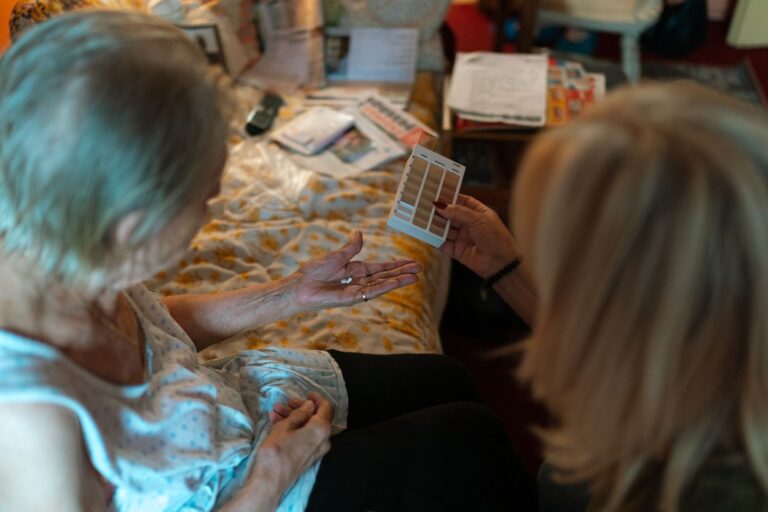
Many medications used to treat heart disease, anxiety, and dementia quietly impair balance or memory in the kitchen, where mistakes can lead to burns or falls.

Dementia damages the memory, judgment, and attention a person needs to cook safely, turning the kitchen into a hazard zone.