MIND Diet and Dementia: How the Brain-Focused Eating Pattern Works

The MIND diet combines Mediterranean and DASH principles to target brain health, with clinical evidence showing it may reduce Alzheimer's risk and slow cognitive aging.
The MIND diet combines Mediterranean and DASH principles to target brain health, with clinical evidence showing it may reduce Alzheimer's risk and slow cognitive aging.

Specific Mediterranean foods—olive oil, fatty fish, leafy greens, berries, and nuts—show measurable protective effects against Alzheimer's when consumed consistently.

Molecular therapies targeting amyloid, tau, and brain inflammation show early promise in slowing dementia's progression, though realistic benefits and significant limitations remain.

Confusion in older adults is often blamed on dementia when dehydration may be the actual cause—and reversible with fluids.

Dementia changes how the brain processes taste and smell, creating appetite loss and food-safety risks that require active caregiver management.

Untreated hearing loss raises dementia risk five-fold in severe cases, but treatment can slow cognitive decline.

APOE4 carriers benefit from specific dietary adjustments, but which ones actually work depends on age, sex, and lifestyle—not APOE4 status alone.
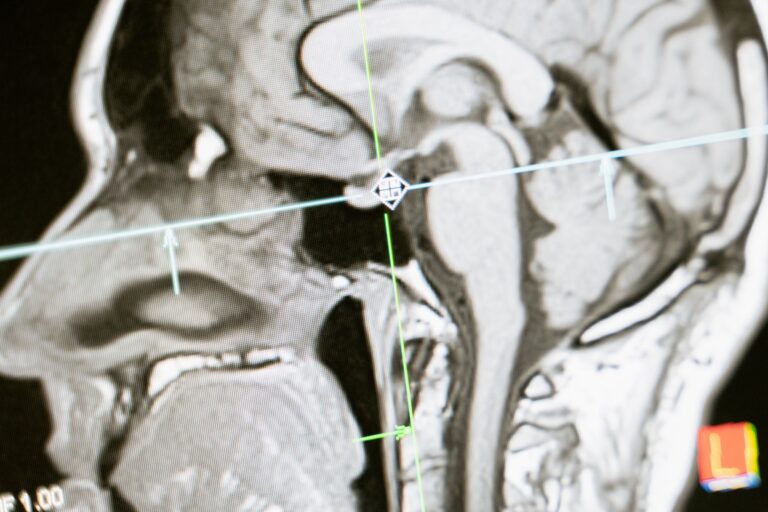
Brain scans reveal specific atrophy patterns that separate normal aging from dementia, but imaging alone cannot diagnose the disease.

Monoclonal antibodies now offer a way to slow early Alzheimer's decline, but access depends on rigorous diagnostic requirements and significant support systems.

Eating patterns rich in vegetables, fish, and healthy fats associate with reduced dementia risk, though individual results vary widely based on genetics and lifestyle.