GPS Watch for Dementia: Battery Life, Geofencing, and Emergency Features

GPS watches for dementia provide real-time location alerts and emergency access, but success depends on battery management, proper geofencing setup, and consistent daily use.
GPS watches for dementia provide real-time location alerts and emergency access, but success depends on battery management, proper geofencing setup, and consistent daily use.

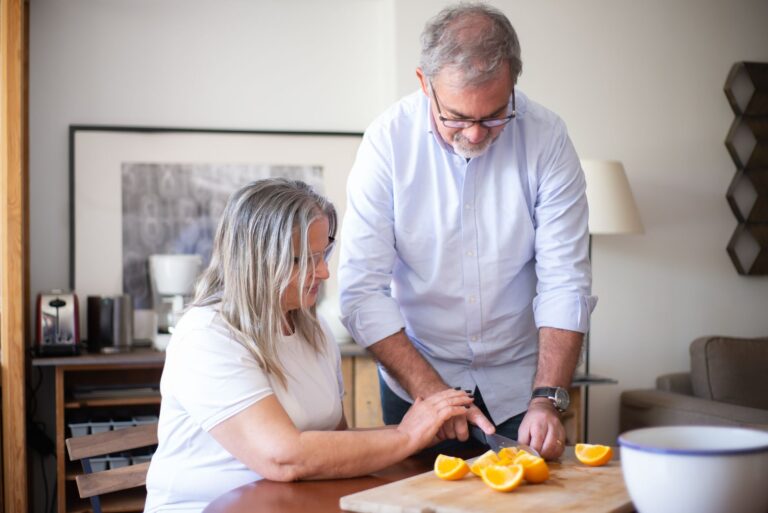
Cooking activities remain accessible and therapeutic for people with dementia when adapted to their abilities and supervised for safety.
The DASH diet lowers blood pressure and reduces the vascular damage that drives dementia, but benefits emerge gradually over years.

Grief often begins long before dementia steals someone's final breath—sometimes years earlier, when memory starts to slip away.
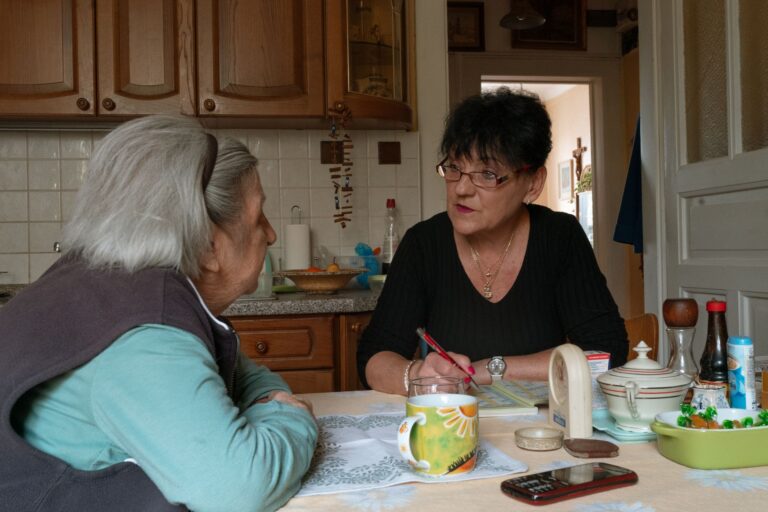
A living will recorded early lets you specify your treatment preferences before Alzheimer's prevents you from communicating them.

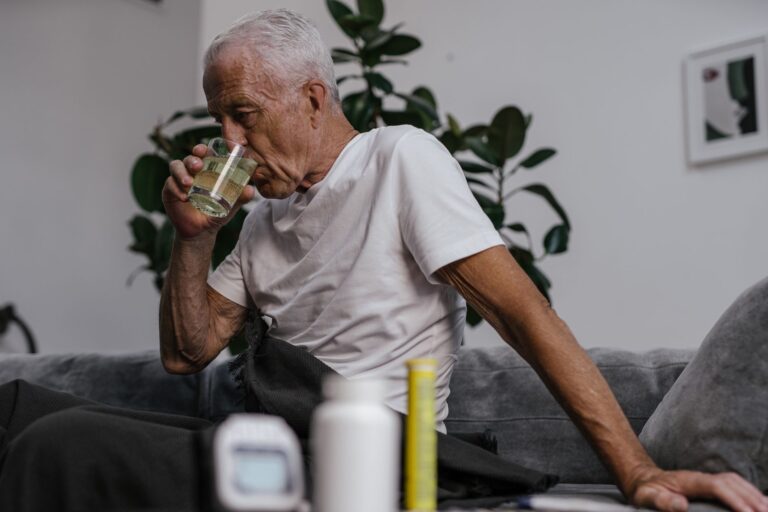
People with dementia lose the biological ability to sense thirst, making caregiver-led hydration schedules the difference between health and serious complications.
Coughing during meals and weight loss can signal dangerous swallowing changes in dementia; early detection prevents aspiration pneumonia.
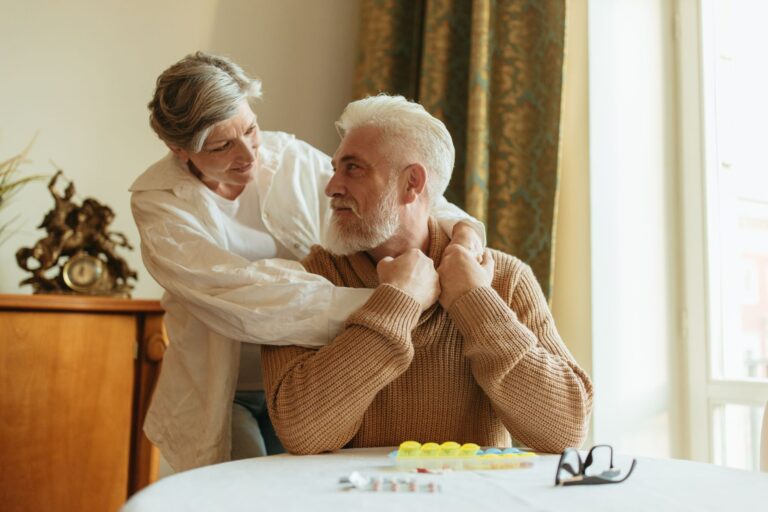
Dementia disrupts swallowing through delayed reflexes and weakened throat muscles, making certain foods and eating behaviors dangerously risky.
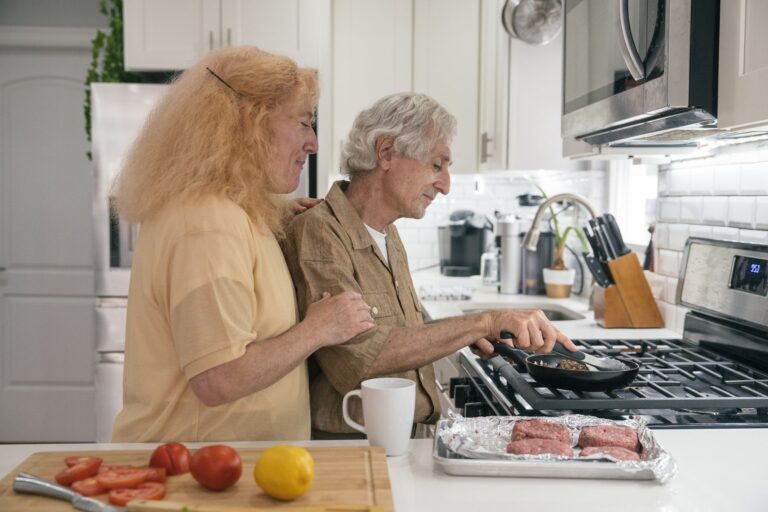
Stove safety in dementia care requires knob covers, shutoff systems, and honest limits on independent cooking to prevent fires and severe burns.
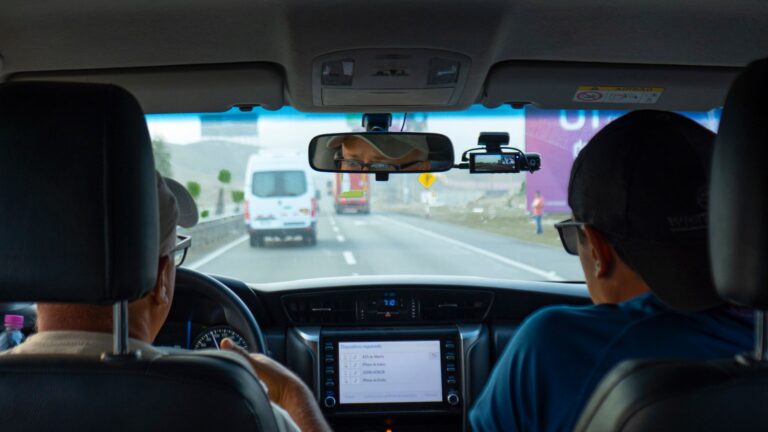
Most GPS trackers promise real-time tracking but deliver battery life of three days—here's what to actually compare before buying.