Can Smart Home Tools Help Dementia Caregivers?

Smart home devices reduce caregiver stress and prevent falls, but only if chosen carefully and set up reliably.
Smart home devices reduce caregiver stress and prevent falls, but only if chosen carefully and set up reliably.
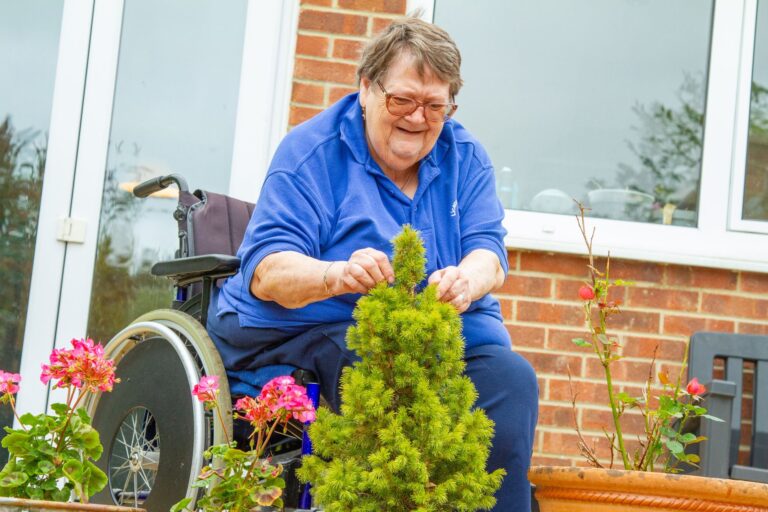
Simple home changes like grab bars and better lighting can significantly extend how long Alzheimer's patients live safely and independently at home.
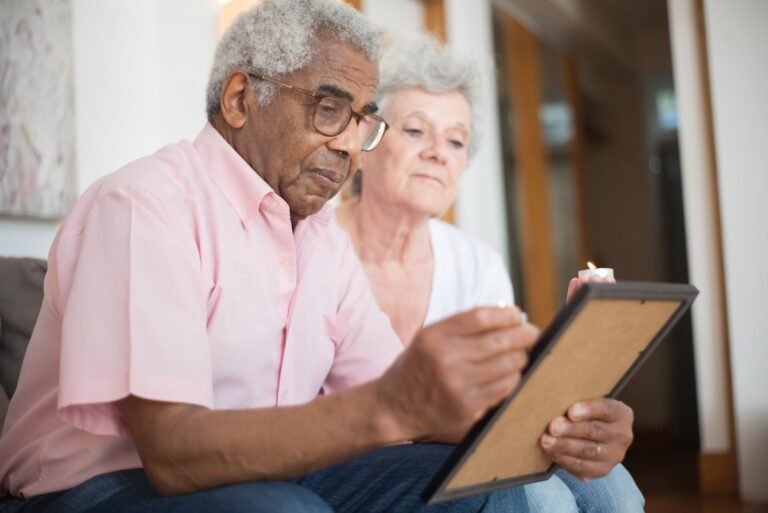
Untreated sensory loss distorts memory test results, making cognition appear worse—or better—than reality.
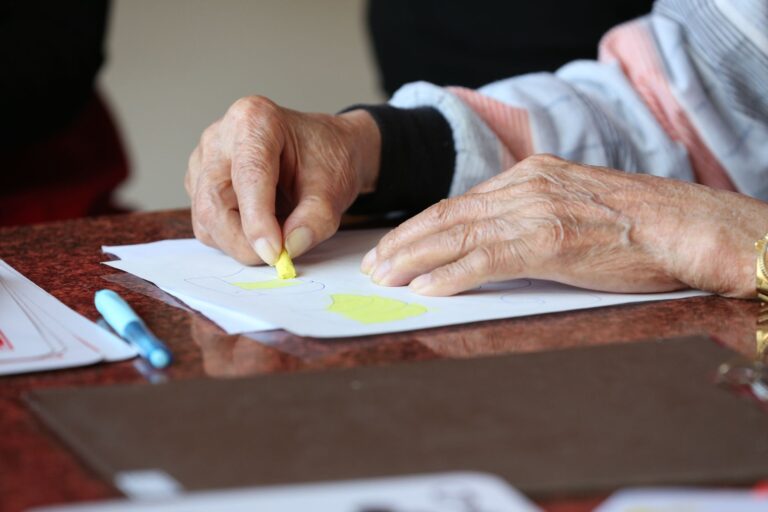
New Alzheimer's drugs work only when diagnosed early—missing this window means losing the one chance at slowing cognitive decline.

Relying on one screening test risks missing early dementia or falsely labeling normal aging as cognitive decline.

Many medications can produce confusion and memory loss indistinguishable from dementia—but the effects often vanish when the drug is stopped.

New Alzheimer's drugs work only in early stages, but most patients don't know about them until it's too late.

Families can track dementia progression at home by documenting specific memory loss, thinking changes, and daily functioning shifts over time to share with doctors.
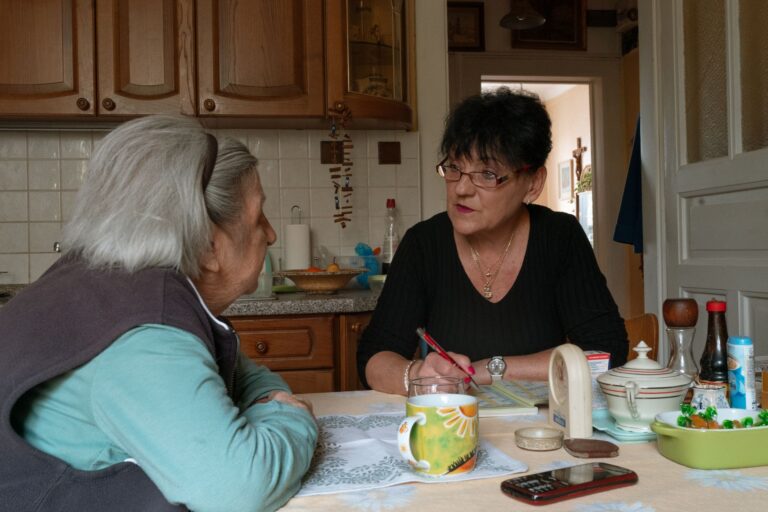
Alzheimer's medications slow decline in some patients, but families must understand realistic benefits and side effects before starting treatment.
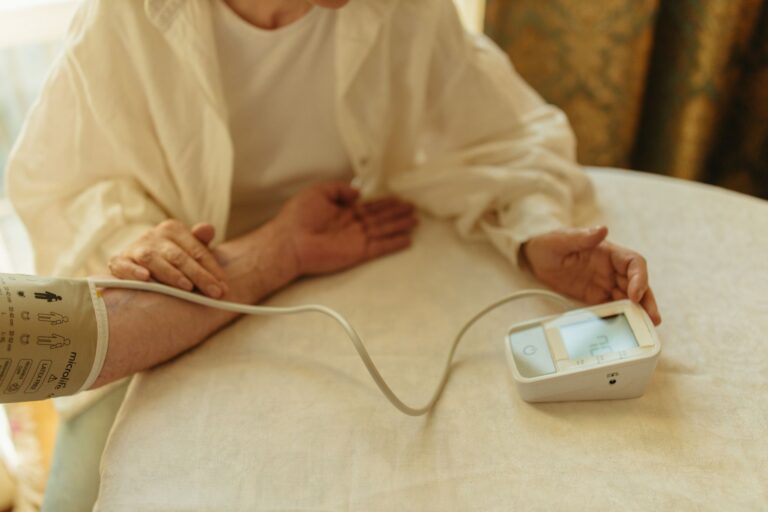
GPS devices help caregivers locate a family member with Alzheimer's within minutes, but they work within important limitations.