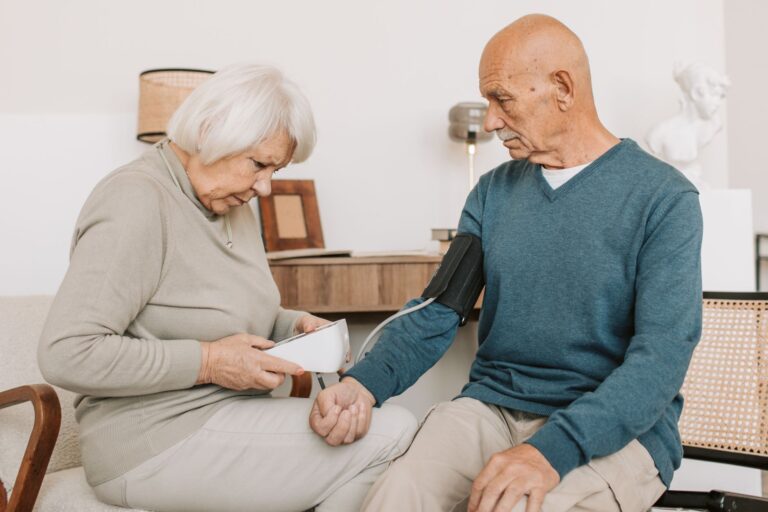
Yes, telehealth can help start the dementia conversation, particularly when cognitive concerns first emerge in a family. A virtual appointment removes one barrier that keeps people silent: the need to schedule time off work, arrange transportation, or wait weeks for an in-person slot. When an adult child notices their parent repeating questions more often or their spouse forgets recent conversations, a telehealth visit with the primary care doctor happens within days instead of months. The doctor can ask screening questions, listen to specific examples, and order appropriate follow-up testing—all without the parent feeling singled out for a “memory appointment.” However, telehealth is a starting point, not a substitute for proper evaluation.
A virtual visit can clarify whether cognitive changes are normal aging, medication side effects, sleep deprivation, or warrant further specialist assessment. One 65-year-old patient reported to her telehealth provider that she had been forgetting names of colleagues at work. The doctor used a brief cognitive screen (MMSE or MoCA can be adapted for video), reviewed her medications, and discovered she had recently stopped her antidepressant. Three months later, after addressing that underlying issue, her memory complaints resolved—and the family avoided unnecessary alarm or specialist referrals.
Table of Contents
- Does Telehealth Make It Easier to Mention Memory Problems?
- What Are the Real Limits of Telehealth for Dementia Assessment?
- How Does Telehealth Fit Into the Full Dementia Workup?
- How Should Patients and Families Prepare for a Telehealth Cognitive Conversation?
- What Gaps Exist in Virtual Cognitive Assessment?
- Why Does Family History Matter in These Conversations?
- What Should Happen After the Telehealth Visit?
Does Telehealth Make It Easier to Mention Memory Problems?
Telehealth creates a structured, low-pressure environment for conversations that families often avoid face-to-face. In a video appointment, the patient sits in their own home, which can reduce anxiety and make them more candid about cognitive symptoms. A person who might feel defensive or ashamed during an office visit (“I don’t have a memory problem”) may speak more openly during a telehealth call. The provider can also see the patient’s home environment—whether they appear confused, whether their surroundings suggest neglect or difficulty managing—information that adds context to the conversation.
The timing advantage is significant. Most primary care offices book telehealth slots within 3–7 days, compared to 4–8 weeks for in-person appointments in many regions. When a family member calls the doctor saying “Mom forgot our dinner plans twice last week and my brother is worried,” that concern can be evaluated quickly. The speed reduces the risk that the conversation gets postponed indefinitely—a common barrier when cognitive decline is unspoken. One family practice reported that telehealth cognitive screening visits increased by 35% in their first year of offering them, partly because patients and families felt less stigma about a “virtual check-in” than scheduling a formal neurology workup.
What Are the Real Limits of Telehealth for Dementia Assessment?
Telehealth cannot perform a complete neurological or cognitive workup. Blood tests—which can identify reversible causes like B12 deficiency, thyroid dysfunction, or medication toxicity—require an office visit or lab draw. Imaging (MRI or CT) is not available through a video call. A doctor cannot perform a full physical exam, test reflexes, assess gait, or detect signs of stroke or Parkinson’s disease features that might contribute to cognitive decline.
Additionally, brief cognitive screens adapted for telehealth (like a simplified MoCA) are less sensitive than full in-person testing. A patient may pass a 5-minute screening but still have mild cognitive impairment that requires formal neuropsychological evaluation. One 72-year-old screened “normal” on a telehealth MMSE but was later diagnosed with mild cognitive impairment after a comprehensive neuropsych battery showed specific deficits in memory and attention. The gap between screening and diagnosis is real, and families should understand that a “normal” telehealth result does not rule out cognitive disease—it simply indicates the need for further investigation or close follow-up. Telehealth is also limited if the patient lives alone and no family member can attend; one observer who can validate concerns or report observed behaviors strengthens the accuracy of any assessment.
How Does Telehealth Fit Into the Full Dementia Workup?
Telehealth is most effective as the entry point—the conversation starter that leads to more comprehensive care. After a telehealth screening, the doctor typically refers the patient for in-person lab work, imaging, or specialist assessment (neurology or geriatric medicine). The telehealth visit clarifies what needs to happen next and, importantly, documents the concern in the medical record. Once cognitive decline is formally noted, the care team (doctor, geriatrician, neurologist, or specialist) has a baseline for future comparison.
Follow-up telehealth visits can monitor stability or change without the patient returning to the office every month. A typical pathway: adult child calls worried about parent’s memory → telehealth visit with PCP → cognitive screen and history → referral for labs and MRI → in-person neurology evaluation if indicated → ongoing telehealth check-ins between specialist appointments. Some family medicine practices schedule a telehealth follow-up 2–4 weeks after the initial cognitive screen to discuss results and finalize the referral plan. This continuity keeps the conversation moving and prevents the common scenario where a family member mentions concern once, the doctor acknowledges it, and then nothing happens for a year.
How Should Patients and Families Prepare for a Telehealth Cognitive Conversation?
Preparation increases the likelihood that a telehealth visit will actually open the discussion rather than deflect it. Families should write down specific examples—”He asked me the same question three times in one evening,” or “She missed her book club meeting and didn’t remember we had planned it”—rather than vague statements like “His memory is not great.” Timing and frequency matter; isolated forgetting is normal, but a change in pattern over weeks or months signals something new. The person attending the telehealth visit should also bring a list of current medications, because many drugs (sedatives, anticholinergics, certain blood pressure meds) impair cognition. If the patient will attend the telehealth call, consider whether they are aware of the cognitive concerns and comfortable discussing them.
A 70-year-old who does not think there is a problem may feel ambushed if the appointment is framed as “checking your memory.” Conversely, a family member who is worried but not present during the visit may later question whether the doctor took the concern seriously. Ideally, the patient, at least one family member, and the doctor all participate, though this is not always possible. Some patients agree to a private family call with the doctor 10 minutes before the appointment to share concerns, and then the doctor addresses them during the patient visit in a respectful way. This approach honors both the patient’s autonomy and the family’s legitimate worry.
What Gaps Exist in Virtual Cognitive Assessment?
Despite its convenience, telehealth cognitive screening has documented accuracy gaps. Studies show that virtual cognitive tests miss mild impairment more often than in-person testing, partly because patients can use resources in their home (notes, calendars, a spouse whispering answers) and partly because the doctor cannot fully control the testing environment. A patient taking a telehealth MoCA might glance at a wall calendar while answering questions, skewing the result. More subtly, some domains of cognition—like executive function and visuospatial skills—are harder to assess over video. Another gap is the loss of collateral history.
In an office visit, the doctor can interview a spouse, adult child, or caregiver in a separate room to hear about the patient’s functioning in real life. Telehealth rarely accommodates this because the family member may not be present on the video call, or there is no private moment to speak with them. Without that independent account—”She leaves the stove on” or “He gets lost in familiar neighborhoods”—the doctor relies solely on the patient’s self-report, which is often unreliable in early cognitive decline. People with mild cognitive impairment frequently underestimate their deficits or do not recognize them at all, a phenomenon called anosognosia. A telehealth visit with only the patient present may therefore give a falsely reassuring picture.
Why Does Family History Matter in These Conversations?
Family history of dementia or cognitive decline is one of the strongest risk factors for Alzheimer’s disease and other dementias. A telehealth appointment is an efficient place to gather this information because the doctor can ask directly and document it. Knowing that a patient’s mother had early-onset Alzheimer’s or that multiple siblings are experiencing memory loss elevates the suspicion for cognitive disease and justifies more thorough screening or specialist referral.
One 58-year-old attended a telehealth visit mentioning occasional word-finding difficulty; the doctor might have dismissed this as normal aging, but when the patient disclosed that her father was diagnosed with early-onset Alzheimer’s at 62, the response shifted immediately to MRI and neuropsychology referral. Conversely, a strong family history can also reassure the family that vigilance is warranted and that early detection is possible. Families with a known history of dementia may be more motivated to attend cognitive screening visits regularly and to report subtle changes quickly. Telehealth makes this ongoing monitoring feasible; a patient with family risk can schedule brief annual or biannual check-ins without taking a full afternoon off work.
What Should Happen After the Telehealth Visit?
The real work begins after the telehealth appointment ends. If the doctor finds concerning signs or a positive screen, a concrete next step must be documented and communicated clearly: “We’ll order an MRI and a basic metabolic panel. I’m also referring you to neurology—they’ll have an opening in 4 weeks, and I’ll send your results ahead.” Vague follow-up (“Keep an eye on it” or “We’ll check again in a year”) leaves the family uncertain and often leads to inaction. One patient received a telehealth cognitive screen that showed mild impairment but was told to “follow up with their neurologist when one was available”; two years later, the family had never actually scheduled neurology and cognitive decline had progressed substantially.
Documentation matters equally. The telehealth visit note should clearly state what cognitive concerns were discussed, what screening or formal testing was done (and the results), what medications or other factors might be contributing, and what the plan is. If the patient does not agree with the assessment or refuses further workup, that should also be documented. This record becomes the foundation for all future care and helps any subsequent specialist understand the trajectory. A patient returning to the same primary care doctor or switching to a new one benefits from a clear, dated record of when cognitive decline was first noticed and what has been tried since.