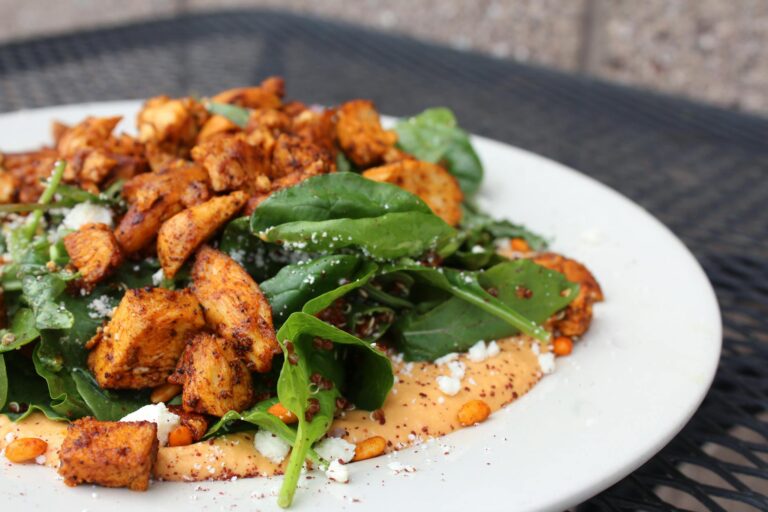
Yes, eating more leafy greens does appear to improve memory and slow cognitive decline in older adults, based on a growing body of clinical research. A landmark study from Rush University Medical Center followed nearly 1,000 older adults over five years and found that those who ate at least one serving of leafy greens per day had cognitive abilities equivalent to someone roughly 11 years younger than those who ate little to none. That is not a modest finding — an 11-year difference in brain age from a dietary habit is among the most significant diet-cognition associations ever measured in a longitudinal study.
The mechanism is not mysterious. Leafy greens like spinach, kale, collard greens, and romaine lettuce are dense with nutrients that directly support brain function: folate, vitamin K, lutein, beta-carotene, and nitrates. These compounds reduce neuroinflammation, protect neurons from oxidative damage, and support the structural integrity of brain cell membranes. This article covers which greens matter most, how much you need to eat, what the research actually shows versus what is overstated, and practical ways to build greens into a daily diet for an older adult who may have limited appetite or difficulty chewing.
Table of Contents
- What Does the Research Say About Leafy Greens and Memory in Older Adults?
- Which Nutrients in Leafy Greens Support Brain Health?
- How Do Leafy Greens Compare to Other Brain-Healthy Foods?
- How Much Should Older Adults Actually Eat Each Day?
- Are There Limits to What Leafy Greens Can Do for Memory?
- Practical Strategies for Caregivers to Increase Leafy Green Intake
- What Does Emerging Research Suggest About Greens and Brain Health?
- Conclusion
- Frequently Asked Questions
What Does the Research Say About Leafy Greens and Memory in Older Adults?
The Rush University MIND diet study, published in the journal Neurology in 2018, is the most cited work in this area. Participants who averaged 1.3 servings of leafy greens daily scored significantly higher on tests of episodic memory, semantic memory, perceptual speed, and working memory compared to those eating less than 0.1 servings per day. Crucially, the association held even after controlling for cardiovascular health, physical activity, smoking, and education — factors that independently affect cognition. A separate study from Tufts University found that higher blood levels of lutein, a carotenoid found in kale and spinach, correlated with better “crystallized intelligence” — the kind of accumulated knowledge and verbal ability that tends to hold up longer in aging. Participants in the highest lutein quartile performed comparably on several cognitive tests to people a decade younger.
This mirrors the Rush findings and strengthens the case that it is the nutrients in greens, not lifestyle confounders, driving the effect. That said, this research is observational in nature. People who eat more greens also tend to have healthier overall diets, which makes causation harder to establish cleanly. Randomized controlled trials on isolated green vegetable consumption and cognition are limited, partly because it is difficult to blind participants to what they are eating. The evidence is compelling but not yet definitive in the way that, for example, statin trials are for cardiovascular disease.

Which Nutrients in Leafy Greens Support Brain Health?
Folate (vitamin B9) is arguably the most brain-critical nutrient in dark leafy greens. It plays a central role in homocysteine metabolism — high homocysteine levels are strongly associated with brain atrophy and increased Alzheimer’s risk. A cup of cooked spinach provides over 60% of the daily recommended folate intake. Deficiency in folate is more common in older adults than often recognized, partly due to reduced absorption and medication interactions, particularly with methotrexate and some anticonvulsants. Vitamin K1 is another standout. Emerging research suggests it activates proteins involved in the synthesis of sphingolipids, fats that form the structural backbone of brain cell membranes.
Kale and collard greens are among the richest dietary sources. However, older adults on warfarin (Coumadin) must be cautious — vitamin K directly antagonizes warfarin’s blood-thinning effect, and suddenly increasing leafy green intake can destabilize anticoagulation therapy. These patients should not avoid greens entirely, but they should keep their intake consistent week to week and coordinate with their prescribing physician. Lutein and zeaxanthin, both found in high concentrations in kale and turnip greens, accumulate in the brain’s hippocampus and frontal cortex — regions critical for memory formation and executive function. Unlike many nutrients, these carotenoids are not synthesized by the body and must come entirely from diet. Low dietary intake translates directly into lower brain concentrations with no compensatory mechanism to offset it.
How Do Leafy Greens Compare to Other Brain-Healthy Foods?
Leafy greens consistently outperform other plant foods in diet-cognition research, which is notable given the competition. The MIND diet — a hybrid of the Mediterranean and DASH diets developed specifically for brain health — gives leafy greens their own separate food category rather than grouping them with vegetables generally. Berries are the only other plant food to receive this distinction. In MIND diet scoring, eating six or more servings of leafy greens per week earns maximum points, reflecting how strongly the original research tied greens specifically to cognitive outcomes. Compared to fatty fish, which are often cited as the premier brain food, leafy greens offer a different nutritional pathway. Fish provides omega-3 fatty acids, particularly DHA, which supports myelin integrity and synaptic plasticity.
Greens supply folate, vitamin K, and antioxidants. These are complementary rather than competing mechanisms, which is why dietary patterns that combine both — like the Mediterranean diet — show the strongest cognitive protection overall. An older adult who dislikes fish but eats daily salads and cooked greens is still doing meaningful work for their brain. One area where leafy greens have a specific advantage over supplements is bioavailability in context. The lutein in a spinach salad dressed with olive oil absorbs significantly better than the same amount from a dry powder supplement, because lutein is fat-soluble. The food matrix matters. A 2021 study in the American Journal of Clinical Nutrition found that adding fat to a lutein-rich meal increased plasma lutein response by over 100% compared to eating the same vegetables without fat.

How Much Should Older Adults Actually Eat Each Day?
The Rush University research identified one serving per day as the threshold at which significant cognitive benefits appeared. A serving is defined as half a cup of cooked leafy greens or one cup of raw. That is not a large amount — roughly a handful of raw spinach wilts down to a few tablespoons when cooked, and a standard side salad with romaine easily meets the raw equivalent. The practical barrier for most older adults is habit and palatability, not volume. For those with diminished appetite — common in adults over 75 — cooked greens are often easier to manage than raw salads. A half-cup of sauteed kale with garlic and olive oil contains more concentrated nutrients per bite than the same volume of raw lettuce, and it is easier to chew for those with dental issues or dentures.
Blending spinach into a fruit smoothie is another efficient route; a full cup of raw spinach adds minimal flavor when mixed with banana and frozen berries but contributes substantial folate, lutein, and vitamin K. The tradeoff between cooked and raw greens is worth understanding. Cooking increases the bioavailability of beta-carotene and lutein by breaking down cell walls, but it reduces folate content — folate is water-soluble and leaches into cooking liquid. Steaming retains more folate than boiling. For someone prioritizing folate specifically, raw greens or lightly steamed varieties are preferable. For carotenoid absorption, lightly cooked greens with a fat source are optimal.
Are There Limits to What Leafy Greens Can Do for Memory?
Leafy greens are not a treatment for Alzheimer’s disease or other dementia diagnoses. The research on diet and cognition is almost entirely in the prevention and slowing-decline category — not reversal. An older adult who already has moderate to severe Alzheimer’s is unlikely to see meaningful cognitive recovery from dietary changes, though nutritional support remains important for overall health and quality of life in that context. The benefit also appears most pronounced in adults without major cognitive impairment who maintain greens consumption consistently over years.
Studies suggest that the neuroprotective effects of lutein and folate are cumulative — they work by slowing the rate of neural damage over time, not by acutely boosting memory the way a stimulant might. Someone who starts eating spinach at 80 after a lifetime of low vegetable intake is not going to regain lost cognition, but may experience a slower trajectory of decline going forward. There is also a ceiling effect implied by the data. The Rush study found that going from near-zero greens to one serving daily produced substantial benefit, but eating three or four servings daily did not show proportionally greater gains over one serving. This suggests that meeting a basic threshold matters more than maximizing intake — which is practical and reassuring for caregivers trying to encourage reasonable dietary changes rather than dramatic overhauls.

Practical Strategies for Caregivers to Increase Leafy Green Intake
For caregivers managing meals for an older adult with dementia, the challenge is often more behavioral than nutritional. Texture aversions, fixed food preferences, and reduced appetite all create real obstacles. The most effective approach in practice is integration — adding finely chopped spinach to scrambled eggs, stirring pureed kale into soups, or mixing greens into pasta sauces where they are nearly invisible.
A patient who refuses a salad will often eat the same greens without resistance when they are embedded in a familiar dish. A home health aide caring for a 78-year-old with early-stage vascular dementia reported success by switching from iceberg lettuce (nutritionally negligible) to baby romaine in sandwiches — a change requiring no behavioral adjustment from the patient but meaningfully improving folate and vitamin K intake over time. Small substitutions of this kind, scaled across daily meals, can bring a resistant eater to a meaningful weekly serving count without conflict.
What Does Emerging Research Suggest About Greens and Brain Health?
Research is beginning to look more closely at the gut-brain axis as a mediator of leafy greens’ cognitive benefits. Fiber in greens feeds beneficial gut bacteria that produce short-chain fatty acids, which have anti-inflammatory effects that extend to the brain. A 2023 study in Nature Aging found that higher dietary fiber intake — greens being a significant source — correlated with reduced markers of neuroinflammation in adults over 60.
This suggests the benefit of leafy greens may be partly indirect, working through microbiome health rather than solely through direct nutrient delivery to the brain. As dietary biomarker research matures, we may also develop better tools to identify which individuals benefit most from increased greens intake based on genetic variants affecting folate metabolism (such as MTHFR polymorphisms) or carotenoid absorption. Personalized dietary guidance based on genomic and microbiome data is likely a decade away from clinical routine, but the foundational diet-cognition research being done now is building the evidence base for that future.
Conclusion
The evidence supporting leafy greens as a meaningful tool for preserving memory in older adults is among the strongest in nutritional neuroscience. One serving per day — a modest, achievable target — is associated with cognitive performance equivalent to being roughly a decade younger. The active nutrients are folate, vitamin K, lutein, and beta-carotene, each working through distinct but complementary biological pathways to protect brain structure and function.
The practical priorities are consistency and incorporation into existing dietary habits. Caregivers should focus on replacing nutritionally empty vegetables with dark leafy greens rather than adding new foods entirely, and should account for fat-soluble nutrient absorption by pairing greens with olive oil or other healthy fats. Adults on warfarin should maintain consistent rather than dramatically increased intake. Leafy greens will not reverse dementia, but they are one of the few dietary habits with credible long-term evidence behind them — and that is worth taking seriously.
Frequently Asked Questions
Can leafy greens prevent Alzheimer’s disease entirely?
No. Current evidence supports a meaningful reduction in risk and slowing of cognitive decline, not complete prevention. Alzheimer’s has multiple contributing factors, and diet is one modifiable piece of a larger picture that includes genetics, cardiovascular health, sleep, and social engagement.
Does it matter which leafy greens I eat, or are they all equally beneficial?
There are real differences. Kale, spinach, collard greens, and Swiss chard are significantly more nutrient-dense than iceberg or butterhead lettuce. Prioritize dark green varieties. Arugula and romaine fall in the middle range.
Is a greens powder or supplement equivalent to eating actual vegetables?
Not reliably. Fat-soluble nutrients like lutein absorb far better from whole foods with dietary fat than from powdered supplements. Folate from food is also better utilized than synthetic folic acid in people with common MTHFR gene variants.
How quickly would I notice any cognitive benefit from eating more leafy greens?
The research suggests the benefit is long-term and cumulative, not acute. Do not expect noticeable memory improvement within days or weeks. The measurable differences in the Rush study accumulated over years of consistent dietary patterns.
My parent has Alzheimer’s and refuses to eat vegetables. Is it still worth trying?
Yes, but manage expectations. Nutritional support matters for overall health even if large cognitive gains are unlikely at an advanced stage. Integration strategies — hiding greens in familiar foods — are often more effective than direct offering.