Green tea sits at the center of this dementia and brain health question.
Green tea does appear to support memory and cognitive focus as you age, though it is not a cure and works best as part of a broader approach to brain health. The evidence comes from both laboratory studies and population-based research, particularly out of Japan, where high green tea consumption has long been associated with lower rates of cognitive decline.
The active compounds in green tea — primarily L-theanine and epigallocatechin gallate, or EGCG — have been shown to influence brain function through multiple pathways, including reducing neuroinflammation, protecting neurons from oxidative damage, and modulating neurotransmitter activity. A 2006 study published in the American Journal of Clinical Nutrition found that older Japanese adults who drank two or more cups of green tea per day had significantly lower odds of cognitive impairment compared to those who drank fewer than three cups per week. This article covers what the research actually shows about green tea and aging brains, how L-theanine and EGCG work differently and why that distinction matters, how much green tea you would need to drink to see any benefit, who should be cautious about green tea consumption, and how it compares to other commonly promoted brain health beverages like coffee and black tea.
Table of Contents
- What Does Green Tea Actually Do for Memory and Focus in Older Adults?
- How EGCG May Protect the Aging Brain at a Cellular Level
- The Role of L-Theanine in Reducing Anxiety and Supporting Focus
- How Much Green Tea to Drink, and When — Practical Guidance
- Who Should Be Cautious About Green Tea and Cognitive Health Claims
- Green Tea Compared to Coffee and Black Tea for Brain Health
- What Emerging Research Suggests About Green Tea and Long-Term Brain Health
- Conclusion
- Frequently Asked Questions
What Does Green Tea Actually Do for Memory and Focus in Older Adults?
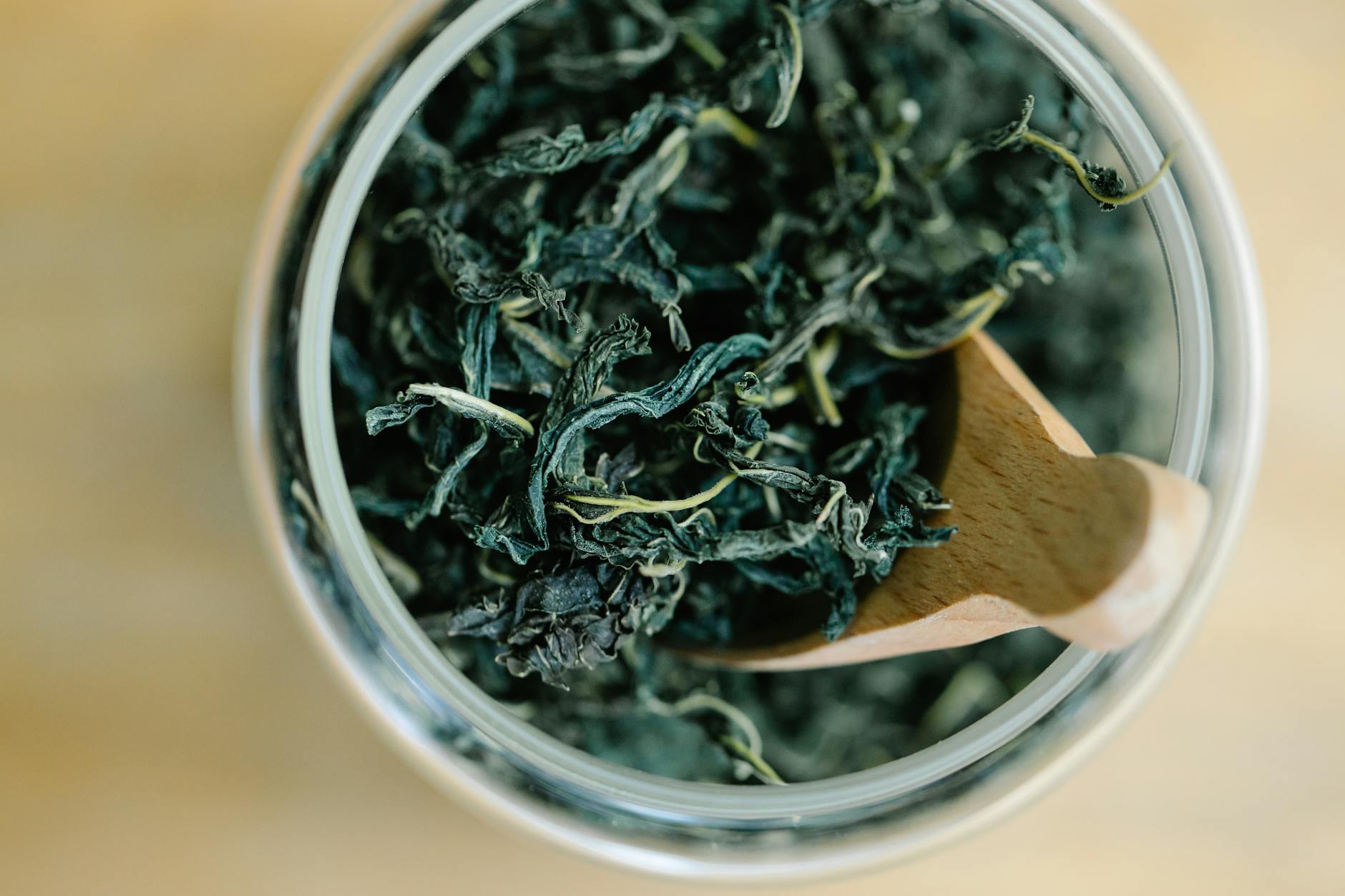
Green tea’s cognitive effects come from two primary compounds working in different ways. L-theanine, an amino acid found almost exclusively in tea plants, promotes a state of calm alertness by increasing alpha brain wave activity. This is the same mental state associated with meditation — relaxed but attentive. EGCG, a polyphenol and powerful antioxidant, works more slowly at a cellular level, reducing oxidative stress that accumulates in brain tissue over decades and is strongly implicated in age-related cognitive decline. The combination of L-theanine with caffeine — which green tea also contains, though in smaller amounts than coffee — produces a distinctive cognitive effect that caffeine alone does not.
Multiple randomized controlled trials have found that this pairing improves sustained attention, working memory, and processing speed more than caffeine by itself. A 2008 study from the Netherlands gave participants either caffeine alone or a caffeine-and-L-theanine combination and found that the combination significantly improved word recognition memory and reaction time. Coffee drinkers often report a sharper but sometimes jittery mental state; green tea drinkers more commonly describe steady, undistracted focus — a meaningful difference for older adults who may already be more sensitive to stimulants. Population studies support this laboratory evidence. Research from Tohoku University following more than 1,000 Japanese adults over 70 found that those drinking four or more cups of green tea daily showed measurably better cognitive test scores than low-frequency drinkers. The association held even after adjusting for education, diet, smoking, and physical activity.
How EGCG May Protect the Aging Brain at a Cellular Level
EGCG’s neuroprotective potential has attracted serious scientific attention because it appears to act on several mechanisms linked to Alzheimer’s disease and other dementias. In cell culture and animal studies, EGCG has been shown to inhibit the formation and aggregation of beta-amyloid plaques, the protein clumps that accumulate in Alzheimer’s-affected brains. It also reduces tau protein hyperphosphorylation, another hallmark of Alzheimer’s pathology. These findings are genuinely promising, but there is a critical limitation: the doses used in many cell and animal studies are far higher than what a person could realistically consume through tea alone. A cup of brewed green tea contains roughly 50 to 100 milligrams of EGCG. Some experimental studies have used doses equivalent to what you would get from 10 to 20 cups per day.
Human clinical trials using EGCG supplements have produced mixed results. A 2021 trial published in Nutrients found that a daily EGCG supplement improved working memory performance in healthy older adults over 12 weeks, but the dose used — 800 mg — is difficult to achieve through diet. If you are hoping to replicate these effects with two or three daily cups of tea, you are likely getting a real but more modest benefit, not the dramatic neuroprotection suggested by some of the more aggressive laboratory findings. There is also the question of bioavailability. EGCG is not well absorbed by the body, and absorption is further reduced when green tea is consumed with milk. Studies suggest that adding dairy to green tea can bind to the polyphenols and reduce their antioxidant activity by a significant margin. Drinking green tea without milk, as is traditional in Japan and China, preserves more of the active compound.
The Role of L-Theanine in Reducing Anxiety and Supporting Focus
Anxiety and poor sleep are increasingly recognized as contributors to cognitive decline in older adults, and this is where L-theanine offers a particularly practical benefit. Unlike caffeine-driven focus, which can worsen anxiety in sensitive individuals, L-theanine has been shown to reduce psychological and physiological stress responses. It inhibits cortical neuron excitation and promotes GABA activity, resulting in a calming effect without sedation. For an older adult who finds that stress or anxiety is interfering with their ability to concentrate or retain information, green tea may offer a more sustainable daily option than stronger stimulants. A concrete example: a 70-year-old managing early-stage memory concerns who also experiences afternoon anxiety may find that switching from coffee to green tea reduces that mid-afternoon mental fog without sacrificing alertness.
This is not anecdote — it reflects the documented pharmacological profile of L-theanine, which has a half-life of roughly 1 to 2 hours and peaks in the bloodstream within 30 to 60 minutes of consumption. The effect is fast enough to be noticeable within a single session and mild enough not to interfere with nighttime sleep when consumed earlier in the day. L-theanine also appears to support neuroplasticity through effects on BDNF — brain-derived neurotrophic factor — a protein critical for forming new neural connections and maintaining existing ones. Low BDNF levels are associated with depression and cognitive decline. Animal research has shown L-theanine increasing BDNF expression in the hippocampus, the brain region most central to memory formation. Human trials confirming this pathway are still limited, but the mechanistic evidence gives the association reasonable plausibility.

How Much Green Tea to Drink, and When — Practical Guidance
The research cluster most consistently showing cognitive benefits points to two to four cups of green tea per day as a reasonable target for older adults. Below two cups, the evidence for cognitive benefit becomes weaker. Above six cups, there is increasing risk of caffeine accumulation, particularly in those with heart conditions, anxiety disorders, or sensitivity to stimulants. The sweet spot for most people appears to be two to three cups spread across the morning and early afternoon. Timing matters more than many people realize. Green tea contains between 20 and 45 milligrams of caffeine per cup, depending on steeping time and tea grade. Consumed within six hours of bedtime, this caffeine can disrupt sleep architecture — and poor sleep is one of the most significant modifiable risk factors for dementia.
The trade-off is straightforward: drinking green tea after 3 or 4 p.m. may give you short-term focus but undermine the deep sleep your brain needs for memory consolidation and waste clearance through the glymphatic system. Morning and early afternoon consumption avoids this conflict. Loose-leaf green tea generally contains higher concentrations of L-theanine and EGCG than mass-market bagged tea, particularly if the bag tea has been sitting in a warehouse or on a shelf for an extended period. Matcha — which involves consuming the whole powdered leaf rather than just a water extract — delivers meaningfully higher concentrations of both compounds. A single teaspoon of matcha dissolved in water provides roughly three to four times the EGCG of a brewed green tea bag. For someone serious about maximizing the cognitive benefits within reasonable daily consumption, switching one cup per day to matcha is a practical upgrade.
Who Should Be Cautious About Green Tea and Cognitive Health Claims
Green tea is not appropriate at high doses for everyone, and several populations need to exercise caution. People with iron deficiency anemia should be aware that the tannins in green tea inhibit non-heme iron absorption. Drinking green tea around mealtimes can meaningfully reduce the amount of iron absorbed from plant-based foods. Older women — who are more likely to be both iron-deficient and at risk for cognitive decline — face this specific trade-off. Drinking green tea between meals rather than with them is an easy way to reduce this interaction. Green tea extract supplements carry risks that brewed tea does not. The FDA and European health authorities have both flagged high-dose green tea extract as a potential cause of liver toxicity, with dozens of case reports linking supplements to elevated liver enzymes and, in rare cases, acute liver failure.
These adverse events are almost entirely associated with concentrated extract supplements, not with drinking tea. However, many “brain health” supplement products marketed to older adults contain green tea extract as a key ingredient, sometimes at doses well above what would be consumed through drinking tea. Anyone taking such a supplement should discuss it with their physician, particularly if they are on medications that the liver processes, including many common statins and blood thinners. The broader warning here is about what green tea cannot do. No amount of green tea will reverse existing dementia or meaningfully slow a diagnosis of moderate Alzheimer’s disease. The evidence supports a preventive and supportive role, not a therapeutic one. Marketing language around green tea and brain health often overstates what the research shows. A realistic framing is that regular, moderate green tea consumption is one of several dietary habits — alongside a Mediterranean-style diet, regular physical activity, quality sleep, and social engagement — that collectively reduce cognitive risk over decades.

Green Tea Compared to Coffee and Black Tea for Brain Health
Coffee has stronger evidence for acute cognitive enhancement and has also been associated in population studies with reduced Alzheimer’s risk, particularly through its effects on adenosine receptors and possible reduction of tau pathology. Black tea contains similar antioxidants to green tea but in lower concentrations, with less EGCG and no significant L-theanine content due to the oxidation process involved in its production.
For someone who tolerates caffeine well and primarily wants to maintain alertness, coffee remains a well-supported choice. For someone managing anxiety, sleep problems, or caffeine sensitivity — common concerns in older adults — green tea’s lower caffeine and L-theanine content may make it the better daily option. The two are not mutually exclusive; some researchers have suggested that a morning coffee followed by green tea in the late morning may combine the strengths of both.
What Emerging Research Suggests About Green Tea and Long-Term Brain Health
Several ongoing and recently completed clinical trials are examining whether green tea compounds can produce measurable effects on biomarkers of neurodegeneration — including amyloid PET scans, cerebrospinal fluid markers, and MRI-based brain volume measurements — rather than relying solely on cognitive test scores. Results from these trials over the next five to ten years will give a much clearer picture of whether the epidemiological associations translate into real preventive benefit at a biological level.
The broader research direction in nutritional neuroscience is moving toward personalized recommendations based on genetic risk factors, including APOE4 status, which significantly affects Alzheimer’s risk and may also influence how individuals metabolize polyphenols. What benefits a person without elevated genetic risk may work differently for someone with a family history of Alzheimer’s, and future guidance will likely reflect that granularity.
Conclusion
Green tea offers a genuinely plausible, research-supported addition to a brain health routine, particularly for older adults concerned about memory and focus. Its combination of L-theanine and EGCG acts through multiple pathways — reducing neuroinflammation, modulating neurotransmitters, protecting against oxidative damage — and the epidemiological evidence from high-consumption populations is consistent and meaningful. Two to four cups daily, consumed in the morning and early afternoon, without milk, represents a reasonable target supported by the available data. The honest caveat is that green tea is a supporting player, not a solution on its own.
Cognitive decline has many causes, and no single dietary habit reverses or prevents it in isolation. Green tea works best alongside adequate sleep, physical activity, and a diet broadly rich in vegetables, legumes, fish, and healthy fats. For someone already doing those things, adding regular green tea consumption is a low-cost, low-risk, and reasonably evidence-based choice. For someone looking for a shortcut to brain health, no tea will provide one.
Frequently Asked Questions
Does decaffeinated green tea still provide cognitive benefits?
Decaffeinated green tea retains most of its EGCG content but loses the cognitive synergy between caffeine and L-theanine that accounts for some of the focus benefits. It is a reasonable option for those sensitive to caffeine, and the antioxidant protection still applies, but the acute alertness effect will be diminished.
Is matcha better than regular green tea for brain health?
Matcha delivers significantly higher concentrations of both EGCG and L-theanine per serving because you are consuming the whole leaf rather than a water extract. If cognitive benefit is a primary goal and cost is not a barrier, one cup of matcha provides roughly equivalent polyphenol content to three or four cups of brewed loose-leaf green tea.
Can green tea interact with dementia medications?
Yes, this is a real concern. Green tea can interact with blood thinners such as warfarin, and there are theoretical interactions with acetylcholinesterase inhibitors like donepezil, which are commonly prescribed for Alzheimer’s. Anyone on prescription dementia medications should consult their physician before significantly increasing green tea consumption or taking green tea supplements.
At what age should someone start drinking green tea for brain health?
The protective effects of long-term antioxidant consumption accumulate over decades, so earlier is generally better. However, the population studies showing cognitive benefit enrolled adults in their 60s and 70s, so starting at any age appears to carry some benefit. There is no evidence that starting in older age is futile.
How long does it take to notice any cognitive effect from green tea?
The acute focus effect from L-theanine and caffeine is noticeable within 30 to 60 minutes of a single cup. Longer-term effects on memory and cognitive resilience, to the extent they occur, would develop over months to years of consistent consumption and are not something most individuals would perceive directly.
You Might Also Like
- Can insulin nasal spray improve memory in alzheimers patients
- Which berries are best for brain health and memory
- What are the best nuts and seeds for memory and brain function
For more, see Alzheimer’s Association — medical tests.