Reviewed by the Help Dementia Editorial Team — our editors review every article for accuracy against guidance from the National Institute on Aging, the Alzheimer’s Association, and peer-reviewed sources.
Yes, early diagnosis of dementia can meaningfully improve outcomes, though the benefits vary significantly depending on the type of dementia, the individual’s overall health, and when intervention begins. When cognitive decline is caught in its earliest stages—often before major functional losses occur—patients and families gain valuable time to plan for the future, begin treatments that may slow progression, and implement lifestyle changes that can preserve quality of life longer. For example, a 62-year-old woman diagnosed with mild cognitive impairment through early screening had time to start a blood pressure medication that research later linked to slower cognitive decline, arrange legal documents while still fully capable of decision-making, and begin a structured cognitive training program—outcomes that would have been much more difficult to arrange if diagnosis had come years later when her symptoms were severe.
Early diagnosis creates a window of opportunity that later diagnosis cannot fully replicate. When people are diagnosed with dementia in its moderate or advanced stages, much irreversible damage has already occurred, family dynamics may be fractured by years of unexplained behavioral changes, and opportunities for preventive treatment have passed. The evidence strongly suggests that detecting dementia earlier—whether through cognitive screening, biomarker testing, or careful monitoring of memory concerns—leads to better management of the condition and better preservation of the person’s autonomy and dignity during the early years of illness.
Table of Contents
- What Does Early Diagnosis Actually Change?
- The Limits of Early Diagnosis—What It Cannot Do
- How Early Diagnosis Affects Family Planning and Decision-Making
- Medication and Treatment Options—The Window for Intervention
- The Role of Biomarkers and Preclinical Detection—Going Too Early?
- Real-World Impact on Quality of Life and Independence
- The Future of Early Diagnosis—Where the Field is Heading
- Conclusion
What Does Early Diagnosis Actually Change?
Early diagnosis primarily changes three things: the timeline for treatment options, the ability to plan ahead, and access to interventions that work best when cognitive function is still relatively preserved. When someone receives a diagnosis of mild cognitive impairment or early-stage dementia, they can start medication treatments like cholinesterase inhibitors or memantine, which may modestly slow cognitive decline if started early. These medications are not cures and do not stop dementia, but their effectiveness diminishes as the disease progresses, making early use strategically important. A person diagnosed at age 70 with early Alzheimer’s disease might preserve an additional 6 to 12 months of independent functioning with early treatment compared to someone diagnosed at the same disease stage but years later.
Beyond medication, early diagnosis enables behavioral and lifestyle interventions that require cognitive ability to implement. Someone with mild cognitive impairment can still benefit from cognitive stimulation therapy, participate in structured exercise programs, make dietary changes, and engage in social activities—all of which research suggests may slow decline. By the time dementia is severe, the person’s capacity to engage in these activities has diminished. Early diagnosis also gives families time to understand what is happening rather than attributing personality changes or forgetfulness to normal aging or other causes, reducing the guilt, confusion, and conflict that often characterize the years before diagnosis.

The Limits of Early Diagnosis—What It Cannot Do
Early diagnosis does not stop dementia or reverse cognitive damage that has already occurred. This is the critical limitation that many people misunderstand. A diagnosis at the mild cognitive impairment stage may buy months or a few years of additional independence, but the underlying disease process continues. Someone diagnosed early will still, in most cases, progress to moderate and then severe dementia, experience the full range of losses, and ultimately face the same end-stage challenges as someone diagnosed late. The difference is one of timing and adaptation, not outcome prevention.
Additionally, early diagnosis comes with psychological and social costs that are rarely discussed. Some people experience anxiety or depression after receiving a diagnosis of mild cognitive impairment, even though many people with this diagnosis will not progress to dementia for years or even decades. Others face premature social withdrawal, discrimination in the workplace, or unnecessary life restrictions based on a diagnosis that may not define their near-term future. A person diagnosed with mild cognitive impairment at age 68 may live another 15 to 20 years before reaching advanced dementia stages, yet may feel forced to retire or withdraw from activities immediately after diagnosis. This represents a real downside to early diagnosis that healthcare providers do not always address.
How Early Diagnosis Affects Family Planning and Decision-Making
One of the most tangible benefits of early diagnosis is the ability to engage in advance care planning while the person with dementia is still capable of communicating their preferences clearly. This includes creating a will, establishing a healthcare power of attorney, discussing end-of-life wishes, and articulating values around interventions like feeding tubes or hospitalization. A 58-year-old man diagnosed with frontotemporal dementia through early neuropsychological testing was able to spend six months with his family clearly explaining his wishes—how aggressively he wanted to be treated, whether he wanted to remain in his home, what activities mattered most to him.
When his condition deteriorated two years later, his family could make decisions confidently knowing his actual preferences rather than guessing or fighting over what he would have wanted. Without early diagnosis, families often navigate these decisions in crisis mode, sometimes years after the person has lost the ability to participate in meaningful conversation about their own care. Early diagnosis also gives families time to educate themselves about dementia, access support groups, and build a care plan that considers financial, emotional, and logistical realities before caregiving demands become acute. This does not eliminate the burden of dementia caregiving, but it shifts some of that burden from crisis management to deliberate planning.

Medication and Treatment Options—The Window for Intervention
The practical advantage of early diagnosis centers largely on medication timing. Newer treatments for Alzheimer’s disease, such as aducanumab, lecanemab, and donanemab, were specifically studied in people with mild cognitive impairment or mild dementia stages and show their greatest benefits when started early. Lecanemab, for example, showed approximately a 27% slowing of cognitive decline over 18 months in people with early mild cognitive impairment—a meaningful but modest effect.
The earlier this medication is started in the disease course, the greater the absolute benefit, because there is more cognitive function to preserve. By contrast, starting these medications in someone with moderate or advanced dementia appears to offer limited or no benefit, meaning that the window for benefit is genuinely limited. This is not the same as saying early diagnosis prevents dementia, but it does mean that early diagnosis enables access to treatments that work, whereas late diagnosis may render those treatments ineffective. For someone who progresses to advanced dementia, medication options become much more limited and focused on managing behavioral symptoms rather than slowing cognitive decline.
The Role of Biomarkers and Preclinical Detection—Going Too Early?
Recent advances in biomarker testing—measuring amyloid, tau, and phosphorylated tau in blood and cerebrospinal fluid—have made it possible to detect Alzheimer’s disease pathology years or even decades before cognitive symptoms appear. This raises a new question: if we can diagnose dementia before anyone has noticeable memory problems, should we? The answer is more complex than early diagnosis advocates sometimes acknowledge. Identifying someone as having preclinical Alzheimer’s disease based on biomarkers alone, without any cognitive symptoms, raises ethical concerns about medicalization of normal aging and the psychological burden of a disease diagnosis that may never manifest as dementia in their lifetime.
A significant warning here is that biomarker positivity does not equal inevitable dementia. Some people with Alzheimer’s pathology live into advanced age without developing dementia symptoms, particularly if they have high cognitive reserve from education, intellectually stimulating activities, or genetic protection. Diagnosing a cognitively normal person with “preclinical Alzheimer’s disease” based on biomarkers alone may harm more than help, particularly if it leads to unnecessary anxiety or overtreatment. The most evidence-based approach to early diagnosis involves combining cognitive testing, biomarkers, and clinical judgment rather than relying on any single marker.
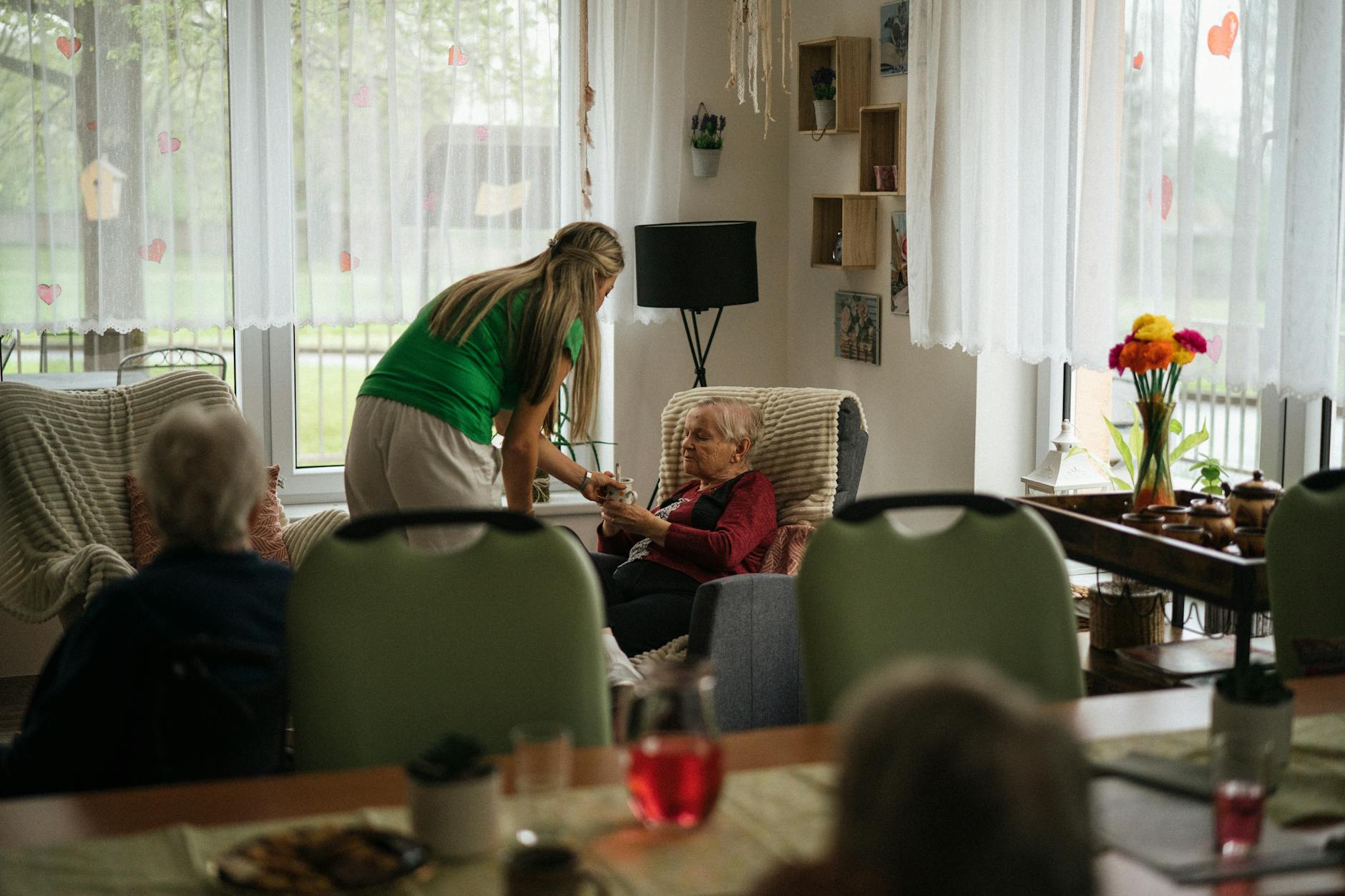
Real-World Impact on Quality of Life and Independence
In practice, early diagnosis extends the period during which a person with dementia can live independently, manage their finances, drive safely (in some cases), and participate in meaningful activities. A woman diagnosed with mild cognitive impairment in her early 70s began a structured program of cognitive exercises, increased her social activities, started taking blood pressure medication to control a previously overlooked risk factor, and reported feeling more in control of her health.
Five years after diagnosis, she remained independent in her home, drove locally with her doctor’s approval, and managed her finances with occasional assistance from her daughter—a quality of life that would have been impossible if diagnosis had come five years later when she was already in moderate cognitive decline. These outcomes are not guaranteed and vary widely between individuals, but they illustrate why early diagnosis matters at a practical, day-to-day level. It is the difference between someone having years of functional independence to anticipate and prepare for decline, versus experiencing sudden or rapid loss of independence that catches families off guard.
The Future of Early Diagnosis—Where the Field is Heading
The future of dementia care will almost certainly involve earlier detection through blood biomarker testing, which is faster and less invasive than current cognitive assessments and advanced imaging. As these tests become more widely available and less expensive, the question will shift from “Can we detect dementia early?” to “Should we screen everyone, and when?” Current research suggests that screening appears beneficial when combined with access to effective treatments and support services, but screening without follow-up support or viable interventions may do more harm than good.
The most promising path forward integrates early diagnosis with comprehensive lifestyle interventions, medication options for appropriate candidates, and strong support for advance care planning. Rather than pursuing diagnosis for its own sake, the goal should be earlier identification of people who can meaningfully benefit from intervention, combined with honest communication about what early diagnosis can and cannot achieve.
Conclusion
Early diagnosis of dementia can improve outcomes by enabling access to treatments that work best in earlier stages, providing time for advance care planning, and extending the period during which someone can remain independent and engaged in meaningful activities. The evidence strongly supports early identification of cognitive decline through regular screening, particularly for people over 65 with risk factors for dementia or concerns about memory changes. However, early diagnosis is not a cure and does not prevent the progression of dementia; it simply shifts the timeline and allows for more intentional planning and intervention.
The key to maximizing the benefits of early diagnosis is matching it with effective follow-up care, evidence-based treatments, and realistic communication about outcomes. If you or a family member has concerns about memory or cognitive changes, discussing cognitive screening with a primary care physician or neurologist is a reasonable first step. Early diagnosis works best not as an endpoint, but as the beginning of a comprehensive care plan that acknowledges both the challenges of dementia and the possibilities for preserving quality of life in the years ahead.