Reviewed by the Help Dementia Editorial Team — our editors review every article for accuracy against guidance from the National Institute on Aging, the Alzheimer’s Association, and peer-reviewed sources.
Smart homes sits at the center of this dementia and brain health question.
Yes, smart home technology can genuinely help people with dementia live safer lives by reducing some of the most serious risks they face. Technology like automatic door locks, stove monitors, fall detection systems, and medication reminders address real dangers that dementia caregivers manage daily—wandering, accidental injuries, missed medications, and house fires. A person in mid-stage dementia might turn on the stove and forget about it, creating a genuine fire hazard; a smart stove monitor can detect prolonged heat and send an alert to a caregiver’s phone, potentially preventing tragedy.
However, smart homes are not a substitute for human care or a complete solution to dementia safety. They work best as one part of a comprehensive care plan alongside in-person support, regular supervision, and ongoing medical management. The technology is most effective when caregivers understand its capabilities and limitations, when it’s properly installed for each person’s specific needs, and when everyone involved has clear expectations about what the devices can and cannot do.
Table of Contents
- WHICH SMART HOME TECHNOLOGIES ACTUALLY ADDRESS DEMENTIA SAFETY CONCERNS?
- HOW SMART MONITORING SYSTEMS CHANGE THE REALITY OF CAREGIVING FOR DEMENTIA
- WEARABLE DEVICES AND PERSONAL ALERT SYSTEMS IN DEMENTIA CARE
- DESIGNING SMART HOMES THAT ACTUALLY WORK FOR DEMENTIA PATIENTS
- PRIVACY, CONSENT, AND THE DARKER SIDE OF DEMENTIA MONITORING TECHNOLOGY
- PROFESSIONAL INSTALLATION AND CAREGIVER TRAINING
- THE FUTURE OF SMART HOME TECHNOLOGY IN DEMENTIA CARE
- Conclusion
- Frequently Asked Questions
WHICH SMART HOME TECHNOLOGIES ACTUALLY ADDRESS DEMENTIA SAFETY CONCERNS?
Smart home devices designed for dementia safety fall into several categories, each addressing different dangers. Door and window sensors alert caregivers if a person attempts to leave the house unsupervised—critical because wandering is a major safety concern, particularly in advanced dementia. GPS-enabled wearables and tracking devices allow caregivers to locate someone if they do leave the house. Motion sensors and cameras can alert families to unusual activity, like someone getting out of bed repeatedly at night or spending hours in the kitchen. Medication reminder systems use lights, sounds, or app notifications to help someone remember to take pills on schedule.
Temperature and humidity monitors ensure the home environment stays safe—overheating or hypothermia are real risks. Smart stove monitors detect when cooking appliances are left on and can send alerts or, in some cases, disable them remotely. Some systems include fall detection that recognizes a sudden drop and automatically alerts emergency services or family members. Lighting systems can be programmed to activate automatically at night, reducing fall risk from stumbling through dark hallways. One important comparison: a simple motion sensor at a bedroom door costs less than $100 and requires minimal setup, whereas a comprehensive smart home system with video monitoring, environmental sensors, and integration with wearables can cost thousands to install. For many families, starting with targeted devices—perhaps a door alarm and medication reminder—makes more sense than trying to implement a fully integrated system all at once.

HOW SMART MONITORING SYSTEMS CHANGE THE REALITY OF CAREGIVING FOR DEMENTIA
Smart home monitoring systems can dramatically reduce the constant vigilance that in-person dementia caregiving demands. A caregiver who previously had to check on someone multiple times per night to ensure they hadn’t left the house or fallen can now receive an alert on their phone if something happens. This allows caregivers to get actual sleep, potentially preventing caregiver burnout and allowing people with dementia to remain at home longer rather than moving to institutional care prematurely. However, there is a critical limitation: no system replaces the need for adequate in-person care. Some family members mistakenly believe that monitoring devices mean they can reduce their direct involvement, which leads to dangerous situations. A fall detection system is valuable, but it only works if someone actually responds to the alert promptly.
An elderly person with dementia cannot reliably use a phone to call for help after a fall, so the monitoring system must connect to someone who will take action. Additionally, advanced dementia often involves behaviors that technology cannot prevent—a person might become aggressive, refuse to eat, or experience severe confusion that requires human comfort and problem-solving. There’s also a psychological dimension worth acknowledging. Some people in early dementia experience dignity-related concerns about cameras or tracking devices in their home. Even though the technology is meant to keep them safe, constant monitoring can feel infantilizing. This varies greatly by person—some welcome the monitoring as relief, others resist it. Caregivers should have honest conversations about these concerns rather than installing systems secretly or dismissing objections.
WEARABLE DEVICES AND PERSONAL ALERT SYSTEMS IN DEMENTIA CARE
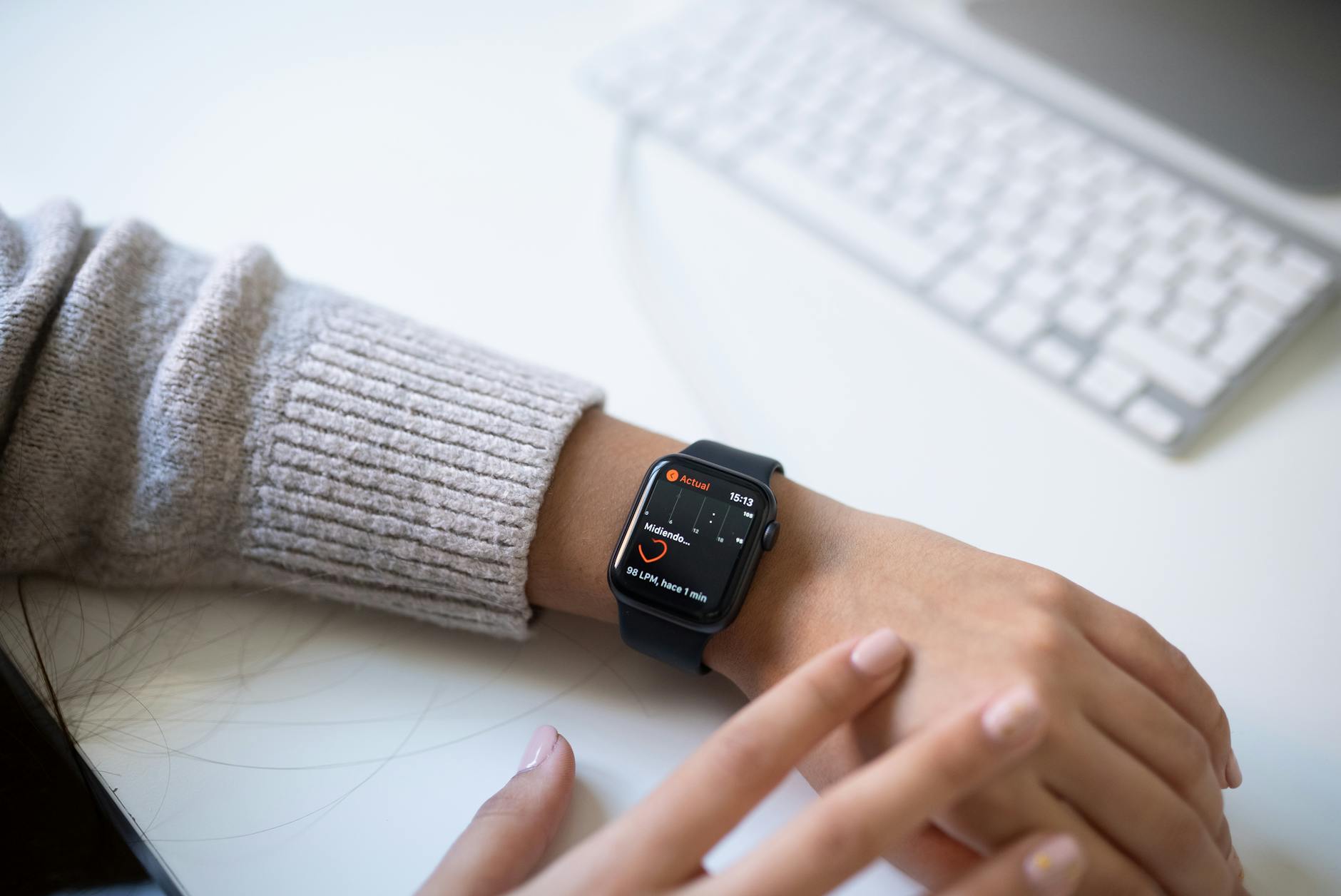
Wearable devices—smartwatches, pendants, or specialized medical alert devices—add an important layer to smart home safety. Many include fall detection, GPS tracking, and the ability to call for help with a single button. For someone in early or middle-stage dementia who still goes out in the community, a GPS watch means caregivers can locate them if they get lost. For someone in later stages, a medical alert pendant ensures that a fall inside or outside the home triggers a response from a monitoring service. A real-world example illustrates both the benefit and limitation: a 78-year-old man with mid-stage dementia started wandering in his neighborhood, frightening his wife.
The family purchased a GPS smartwatch, and within weeks, they located him twice after he left home without telling anyone. However, he eventually forgot the watch was there, would try to remove it, and on one occasion, had it damaged when he washed it like a regular item. The family eventually had to switch to a more secure wearable designed specifically for dementia, where the device could not be removed without a caregiver’s knowledge. The key limitation is that wearables only work if the person actually wears them and if caregivers are available to respond when alerts come in. A fall detection watch won’t help if someone removes it or if the battery dies. GPS tracking is valuable in urban or suburban areas but provides less help in remote locations or dense cities with many trees and buildings that interfere with signals.
DESIGNING SMART HOMES THAT ACTUALLY WORK FOR DEMENTIA PATIENTS
Practical smart home setup for dementia requires thinking beyond technology. The best system is one that the person with dementia can mostly ignore—it should work in the background without requiring them to remember how to operate it. Door alarms should not require a code to use the bathroom. Medication reminders should not have complex interfaces. Lighting should activate automatically, not require switches the person might not find. This creates a tradeoff between capability and simplicity.
A sophisticated system might track multiple behaviors, integrate with a caregiver’s calendar, analyze activity patterns, and provide detailed reports. A simpler system might only alert to immediate dangers. For someone with advancing dementia, simpler is usually better—they won’t be frustrated by complex technology, and caregivers won’t spend time troubleshooting devices. However, simpler systems may miss early warning signs that more detailed monitoring could detect. Another practical consideration is compatibility and integration. Some families waste money on devices that cannot communicate with each other—a door alarm from one company, a medication reminder from another, a GPS tracker from a third—so the caregiver has to check three different apps. Starting with a clear plan of which devices are actually essential, choosing devices that share a common platform or app, and bringing in an installer or consultant for advice often saves money and frustration compared to buying randomly based on marketing promises.
PRIVACY, CONSENT, AND THE DARKER SIDE OF DEMENTIA MONITORING TECHNOLOGY
Smart home monitoring raises important ethical questions, particularly around privacy and consent. Installing cameras or listening devices to monitor someone with dementia without their knowledge or explicit consent is a violation, even if done with good intentions. Early-stage dementia is the time to have explicit conversations about what monitoring might happen, with the person’s input incorporated into the decision. Later, when decision-making capacity has declined significantly, family members must balance safety with autonomy and dignity. There is also a real risk of over-monitoring or using technology in ways that restrict freedom rather than enhance safety.
Some families use GPS tracking or cameras to control and monitor behavior excessively—checking constantly, restricting where the person goes, or using the technology to surveil interactions rather than genuinely protect from danger. This can constitute a form of elder abuse. Technology should be used to enable as much independence as safely possible, not to eliminate all risk by essentially confining someone to their home through surveillance. Additionally, smart home systems generate data that may be stored on company servers, making it a privacy concern. Who has access to logs of when someone wakes up, leaves the house, uses the bathroom, or takes medication? Is that data encrypted? Could it be hacked or sold? Many consumer-grade smart home devices have weaker security than specialized medical devices. For dementia care, this matters because the data contains intimate information about someone’s daily life.
PROFESSIONAL INSTALLATION AND CAREGIVER TRAINING
Smart home systems for dementia care work better when professionally installed by someone who understands the specific needs. A good installer will assess the layout of the home, identify the biggest safety risks, recommend targeted devices, ensure everything is properly configured, and train caregivers on how to use the system. This costs more upfront but avoids the frustration of purchasing incompatible devices, installing them incorrectly, and having the system fail when it’s most needed.
Training is often overlooked but essential. Caregivers need to know how to respond to alerts, how to adjust sensitivity settings if false alarms become problematic, how to charge devices, and what to do if the system fails. A fall detection system that alerts a caregiver who doesn’t know how to access the camera feed or communicate with emergency services is less useful than one where everyone has clear protocols. Many families benefit from documented checklists of what each alert means and the steps to take.
THE FUTURE OF SMART HOME TECHNOLOGY IN DEMENTIA CARE
As artificial intelligence and sensor technology improve, smart home systems for dementia care are becoming more sophisticated. AI-powered systems can learn normal patterns of activity for a specific person—how often they typically get up at night, when they usually eat, their typical movement through the house—and then detect genuinely unusual activity rather than generating constant false alarms. Some research is exploring systems that can detect early signs of delirium (acute confusion) or other medical emergencies through changes in sleep, appetite, or activity.
However, the future of smart homes in dementia care will ultimately depend not just on technology but on access and affordability. Current systems are expensive, putting them out of reach for many families managing dementia on limited income. Government programs that subsidize smart home technology for older adults with dementia, insurance coverage for these systems, and development of open-source alternatives could expand access significantly. The technology exists to help; the challenge is making it available to everyone who needs it.
Conclusion
Smart homes can be genuinely valuable tools for dementia care, addressing real safety risks like wandering, falls, medication errors, and environmental hazards. When thoughtfully selected and properly installed, they can reduce caregiver burden, extend the time a person can safely remain at home, and provide peace of mind.
The most effective implementations combine carefully chosen devices with clear caregiving protocols, regular caregiver training, and honest conversations about privacy and consent. The key is realistic expectations: smart homes are one part of dementia care, not a replacement for human attention, medical oversight, or the adaptations that families need to make as the disease progresses. If you’re considering smart home technology for someone with dementia, start by identifying the specific safety concerns most important to your situation, consult with a professional installer or healthcare provider, and choose devices that simplify rather than complicate the caregiving routine.
Frequently Asked Questions
At what stage of dementia is smart home technology most helpful?
Early to mid-stage dementia is often the sweet spot. People still have enough capacity to mostly tolerate the technology without confusion, but they’ve developed memory or judgment problems that create real safety risks. Very advanced dementia may require simpler systems focused on fall detection and environmental safety, while early dementia might emphasize medication reminders and monitoring for wandering behavior.
How much does a complete smart home system for dementia safety cost?
Costs vary widely. Individual devices like door alarms or motion sensors can be purchased for under $100 each. A basic system with multiple sensors and a monitoring setup might run $1,000-$3,000. A comprehensive, professionally installed system with multiple cameras, wearables, environmental sensors, and integration can exceed $5,000. Some devices are covered by Medicare or insurance if prescribed by a healthcare provider.
Can I install smart home devices myself, or do I need professional help?
Many basic devices can be self-installed, but professional installation is worth the cost if you want everything to work reliably together. Professionals can assess your specific home layout and risks, recommend targeted devices, ensure proper connectivity, and train you on use. For a person with dementia, system reliability is especially important because failures can have safety consequences.
What if the person with dementia objects to monitoring devices?
This depends on their stage of dementia and decision-making capacity. If they have early dementia and still make decisions about their care, their objections should be taken seriously—you may need to find compromises or use alternative approaches. If they object due to confusion or fear rather than a coherent preference, you may need to proceed with monitoring that you believe is necessary for safety. Document the reasoning and consult with healthcare providers or a dementia-care advocate if you’re uncertain about the ethical balance.
Are smart home systems secure from hacking?
Consumer-grade smart home devices have variable security. Before purchasing, research the manufacturer’s security practices, check reviews for hacking reports, and ensure devices use encrypted connections and regular security updates. For extra security, consider devices specifically designed for medical use, which typically have stricter security standards than general consumer products.
What happens if the power goes out or internet fails?
This is a critical limitation. Most smart home systems require electricity and internet to function. A power outage means loss of door locks, lights, and monitoring systems. Internet outages disable remote monitoring and alerts. Some systems include battery backup or cellular connectivity as backup options. For dementia care, it’s worth understanding what happens if the system fails and having a backup plan.
You Might Also Like
- What Privacy Concerns Come With Dementia Detection Technology?
- Can AI Help Detect Dementia Earlier?
- Could Stress Reduction Be a Dementia Prevention Tool?
For more, see Alzheimer’s Association.