Reviewed by the Help Dementia Editorial Team — our editors review every article for accuracy against guidance from the National Institute on Aging, the Alzheimer’s Association, and peer-reviewed sources.
Yes, medication reminders can significantly help dementia patients maintain better medication adherence, though their effectiveness depends on the type of dementia, the stage of the disease, and how the reminders are implemented. A patient in the early stages of Alzheimer’s disease might manage with a simple pill organizer and daily alarm, while someone in the middle stage may need a caregiver’s direct involvement or a smart device that dispenses medications automatically. The challenge isn’t whether reminders work, but finding the right system for each individual’s cognitive abilities and circumstances. Medication adherence is one of the most critical aspects of dementia care.
Missed doses of blood pressure medications, anti-inflammatory drugs, or cognitive-enhancing prescriptions like cholinesterase inhibitors can lead to preventable hospitalizations, falls, infections, and accelerated cognitive decline. A study from the Journal of Alzheimer’s Disease found that patients with memory impairment who missed medications had 40% more emergency room visits than those who maintained consistent medication schedules. This makes finding effective reminder systems not just helpful, but medically essential. The range of options available today is broader than ever, from low-tech solutions like printed charts to high-tech smart medication dispensers that alert caregivers when doses are missed. The key is matching the solution to the individual’s needs, cognitive level, and family resources.
Table of Contents
- How Do Medication Reminders Work for People with Dementia?
- Types of Medication Reminder Systems and Their Limitations
- The Role of Caregiver-Assisted Reminders in Dementia Management
- Choosing the Right Reminder System for Individual Needs
- Common Pitfalls and Behavioral Challenges with Medication Reminders
- Emerging Technologies and Smart Home Integration
- Building a Sustainable Long-Term Medication Reminder Plan
- Conclusion
How Do Medication Reminders Work for People with Dementia?
Medication reminders function through multiple mechanisms that work with the dementia patient’s remaining cognitive abilities. At the most basic level, visual reminders like printed schedules or color-coded pill organizers engage procedural memory and visual recognition rather than relying on short-term memory, which is often impaired. A patient might not remember that they took medication two hours ago, but they can follow a simple visual cue showing a weekly pill organizer with compartments labeled Monday through Sunday. Active reminders—such as alarms, phone calls, text messages, or smart device notifications—work by interrupting the person’s current activity and drawing attention to the medication task.
For example, a patient in the early-middle stages of Alzheimer’s might respond reliably to a phone reminder at 8 AM to take their blood pressure medication, especially if a family member or caregiver calls or sends a message that says “Time for your morning pills.” However, this approach requires consistent external involvement and doesn’t work for patients who live alone without daily supervision. Technology-based reminders have expanded the possibilities significantly. Smart pill dispensers like PillPack, Philips Lifeline, or Medcurio can store multiple medications and dispense the correct combination at scheduled times while emitting sounds, lights, or even sending alerts to a caregiver’s phone if the medication isn’t taken within a set timeframe. These systems can be particularly effective for patients who retain enough cognitive function to recognize a visual or audio cue but lack the memory to self-initiate medication-taking behavior.

Types of Medication Reminder Systems and Their Limitations
The medication reminder landscape includes several categories, each with distinct advantages and constraints. Traditional pill organizers are low-cost and require no technology, but they place full responsibility on the patient to remember to take pills at the right time and in the right order—a significant limitation for moderate to advanced dementia. A caregiver could pre-fill a weekly organizer, but if the patient lives independently or is left alone during portions of the day, they may forget or take medication multiple times. Smart dispensing devices automate the storage and delivery of medications, which addresses the memory problem but introduces new challenges. These systems cost between $1,500 and $5,000 upfront, plus monthly subscription fees typically ranging from $25 to $100.
Patients and caregivers must also navigate setup, maintenance, and troubleshooting—not trivial tasks for families already managing multiple medical appointments and care schedules. Additionally, smart dispensers don’t work well for patients who refuse to take medication or who have advanced dementia with behavioral complications. A person in late-stage Alzheimer’s disease may become agitated or paranoid about taking pills, and no reminder system can override that behavioral challenge. Mobile apps and phone-based reminders depend on the patient’s ability to interact with technology and their willingness to use it. Many older adults with dementia have limited smartphone literacy, and caregiver-initiated reminders require that caregivers check their phones and remember to send notifications—essentially transferring the memory burden rather than eliminating it. Patients with vision loss, tremors, or hearing impairment may also struggle to notice or act on digital reminders.
The Role of Caregiver-Assisted Reminders in Dementia Management
For most dementia patients, especially those in moderate to advanced stages, caregiver involvement is essential to medication adherence. A family member or professional caregiver who administers or directly observes medication-taking ensures the dose is correct, the medication is swallowed (not hoarded), and the timing is accurate. This approach has the highest success rate for adherence but places significant responsibility on the caregiver, who may be juggling work, other family members, and their own health. Consider the case of Margaret, a 78-year-old with vascular dementia who lives with her daughter. Margaret can no longer read the labels on pill bottles or reliably remember which pills to take when.
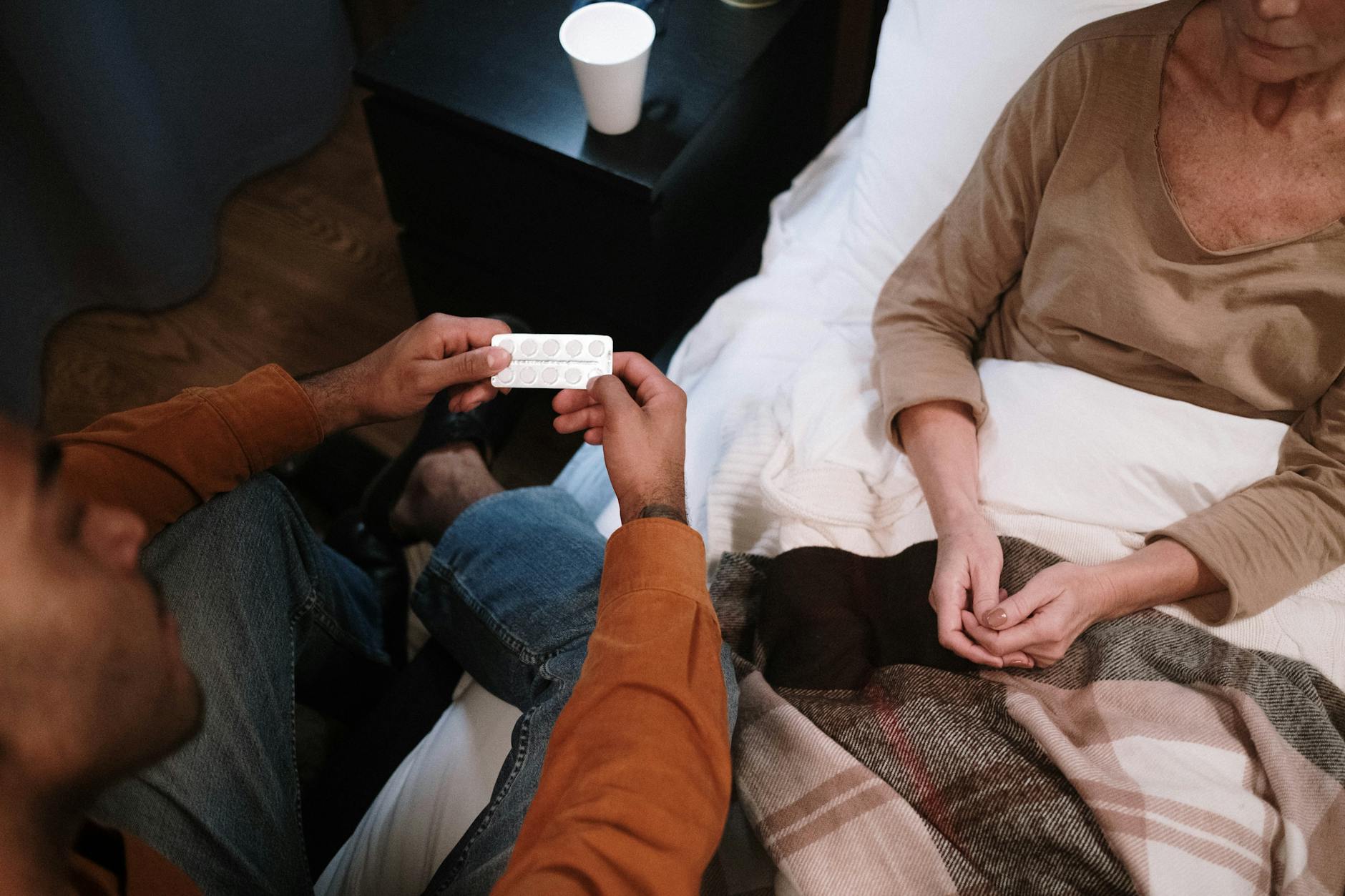
Her daughter prepares her medications each morning and evening, setting out the pills with water and waiting to see her mother take them. This direct supervision prevents missed doses and drug interactions, but it also means Margaret’s daughter must be present twice daily, which constrains her work schedule and adds to her caregiving burden. The caregiver approach also introduces a vulnerability: when the primary caregiver is unavailable due to illness, vacation, or emergency, the system breaks down unless there’s a backup plan. This is why many care experts recommend combining caregiver oversight with a visual backup system, like a pill organizer with labeled compartments or a simple chart where the caregiver or patient marks off each dose. For patients with advanced dementia who live in assisted living facilities or nursing homes, staff members administer medications, and adherence is typically very high.

Choosing the Right Reminder System for Individual Needs
Selecting an effective medication reminder system requires assessing the patient’s cognitive abilities, living situation, available caregiver resources, and health complexity. For early-stage dementia patients who live independently or with a partner, a combination approach often works best: a weekly pill organizer filled by a caregiver or the patient themselves (if still capable), paired with phone reminders or smart home devices like Amazon Alexa or Google Home that can announce medication times with voice commands. Mid-stage dementia typically requires more active intervention. These patients may use pill organizers but need reminders to check them. A smart medication dispenser, though expensive, can automate the visual and auditory reminder while tracking adherence. Alternatively, a family member or paid caregiver can visit once or twice daily to supervise medication administration. Some families choose a hybrid approach: a telehealth check-in call at medication time, where a nurse or caregiver verifies the patient has taken their pills.
Advanced dementia almost always requires direct caregiver administration because patients may no longer understand the purpose of medications or be able to swallow pills safely. The reminder system shifts from prompting the patient to ensuring the caregiver has reliable access to the correct medications at the correct times. A clearly labeled weekly medication schedule, a pill organizer, and regular pharmacy refills are the practical essentials. The trade-off is between cost, convenience, and reliability. Smart dispensers offer the highest degree of automation but are expensive and complex. Caregiver administration is more labor-intensive but extremely reliable and costs only what you pay caregivers. Pill organizers and visual reminders are cheap and simple but depend heavily on patient motivation and memory. Most families find the best approach is a combination tailored to their specific situation.
Common Pitfalls and Behavioral Challenges with Medication Reminders
Even the best reminder system can fail if the patient becomes resistant or confused about medication. A person with dementia may become suspicious of pills, insisting they’ve already taken their medication when they haven’t, or refusing doses because they feel the pills are dangerous. This behavioral component is often underestimated by families and healthcare providers who assume a good reminder system is sufficient. Another common pitfall is “medication hoarding,” where a patient stores pills in pockets, under mattresses, or in other locations instead of taking them. A woman with mid-stage Alzheimer’s might take her blood pressure pill in the morning but store it in her nightstand, taking it again before bed, accidentally doubling her dose. Or she might refuse to swallow pills altogether and hide them.
Visual and auditory reminders don’t address this behavior. Only direct observation by a caregiver can catch and prevent hoarding. Medication interactions also become more dangerous with dementia. A patient might forget they’ve already taken pain medication and take it again, or combine over-the-counter supplements with prescription drugs without realizing the risk. If a patient lives alone or with a partner who isn’t actively monitoring, these mistakes can happen undetected. This is why maintaining a current medication list, having regular pharmacy reviews, and ensuring a primary caregiver or healthcare provider has oversight is critical alongside any reminder system.
Emerging Technologies and Smart Home Integration
New technologies are making medication management more accessible. Some smart home systems like GeriJoy or CarePredict use artificial intelligence to monitor whether a patient is taking medications as scheduled, alerting caregivers without requiring the patient to interact with a device. Wearable devices paired with apps can send reminders directly to a caregiver’s phone if doses are missed, creating a safety net even when the caregiver isn’t physically present.
Voice-activated reminders through smart speakers are gaining popularity because they require no manual interaction from the patient. An 82-year-old with moderate dementia might not remember to check a pill organizer, but she might respond to “Alexa, remind me to take my medication” if a caregiver sets up the routine. However, these systems still depend on the patient’s willingness to take the medication once reminded and their ability to locate and swallow the pills correctly.
Building a Sustainable Long-Term Medication Reminder Plan
The most successful medication reminder systems are those that evolve as the dementia progresses. A strategy that works in the early stages may become inadequate within a year or two as cognitive decline accelerates. Regular reassessment with the patient’s doctor, pharmacist, and caregiver team ensures the system stays effective and safe.
Creating a written medication schedule with clear instructions, storing medications in a secure, visible location, and establishing a routine around medication times can reinforce reminders at every level. Simplifying the medication regimen when possible—asking doctors if less frequent medications or combination pills can replace multiple daily doses—reduces the cognitive burden and the likelihood of errors. Most importantly, treating medication reminders not as a one-time solution but as an ongoing part of dementia care management leads to better outcomes and fewer medication-related emergencies.
Conclusion
Medication reminders are not a single solution but a set of tools and strategies that can be highly effective when properly matched to a patient’s abilities and circumstances. Visual cues, alarms, smart devices, and caregiver involvement all play important roles, and the most sustainable approach usually combines several methods.
Early intervention—setting up reminder systems and caregiver routines early in the dementia journey—prevents the crisis of missed medications and helps maintain the patient’s health and independence for as long as possible. If you’re caring for someone with dementia, start by assessing their current medication adherence with their healthcare provider, then work with the care team to design a system that’s realistic for your family’s resources and the patient’s cognitive level. The goal isn’t perfection but consistency, and having a plan in place protects against the preventable harm that medication errors can cause.