Reviewed by the Help Dementia Editorial Team — our editors review every article for accuracy against guidance from the National Institute on Aging, the Alzheimer’s Association, and peer-reviewed sources.
Dementia sits at the center of this dementia and brain health question.
Dementia cannot be prevented entirely, but the risk of developing it can be significantly reduced through lifestyle changes and health management. Research increasingly shows that what we do in our 40s, 50s, and 60s directly influences our brain health in later years. While genetics play a role, they do not guarantee that someone will develop dementia—and for many people, environmental and behavioral factors matter more than family history alone. Consider the case of a 65-year-old woman who followed a Mediterranean diet, stayed cognitively active, maintained strong social connections, and exercised regularly.
When she developed mild memory issues, they progressed slowly, and she retained her independence far longer than someone with similar genetic risk who had been sedentary and isolated. This illustrates a crucial point: even when dementia does develop, the speed of decline and the severity depend heavily on preventive measures taken earlier in life. The scientific consensus, backed by major organizations like the World Health Organization and the Lancet Commission, identifies at least 14 modifiable risk factors that influence dementia risk. These are not guarantees, but evidence-based interventions that shift the odds in your favor.
Table of Contents
- What Does Dementia Prevention Actually Mean?
- Which Lifestyle Factors Have the Strongest Evidence?
- Heart Health and Brain Health Are Inseparable
- Building and Maintaining Social Connections
- Nutrition, Alcohol, and Brain-Protective Compounds
- Hearing and Vision—The Underappreciated Risk Factors
- The Role of Education, Cognitive Reserve, and Lifelong Learning
- Conclusion
- Frequently Asked Questions
What Does Dementia Prevention Actually Mean?
Prevention in the context of dementia operates on three levels: primary prevention (reducing risk before any symptoms appear), secondary prevention (slowing decline after mild cognitive impairment is diagnosed), and tertiary prevention (managing advanced dementia to maintain quality of life). When experts talk about “preventing dementia,” they usually mean primary and secondary prevention—actions that delay onset or slow progression. The distinction matters because dementia isn’t a single condition. Alzheimer’s disease accounts for 60-80% of cases, but vascular dementia, Lewy body dementia, and frontotemporal dementia each have different risk profiles and prevention strategies.
Someone at high risk for vascular dementia due to hypertension benefits from different interventions than someone with a family history of Alzheimer’s. This is why generic advice—”just exercise and eat well”—often frustrates people; they need targeted strategies based on their specific risk factors. One limitation often overlooked: even perfect adherence to all prevention strategies doesn’t eliminate dementia risk entirely. A person who does everything right—exercises, maintains a healthy diet, stays mentally sharp, manages blood pressure—still faces some baseline risk because of genetics and the simple wear and tear of aging. Prevention is about stacking the odds in your favor, not guaranteeing a dementia-free life.
Which Lifestyle Factors Have the Strongest Evidence?
Physical exercise stands out as one of the most powerful modifiable risk factors. Studies show that people who exercise regularly have a 30-40% lower risk of cognitive decline compared to sedentary individuals. The mechanism is clear: exercise increases blood flow to the brain, promotes the growth of new neurons, reduces inflammation, and helps maintain healthy weight and cardiovascular function. A 70-year-old who walks for 30 minutes five times a week or engages in strength training shows measurable differences in brain volume compared to a peer who is mostly inactive. Cognitive engagement—learning new skills, playing strategy games, reading, or engaging in mentally challenging work—also has strong evidence behind it. The brain operates on a “use it or lose it” principle.
Someone who stops working and spends retirement watching television faces higher dementia risk than someone who takes up painting, learns a language, or volunteers in a role requiring problem-solving. However, here’s the limitation: cognitive stimulation alone isn’t sufficient. A person could be mentally active but still sedentary, socially isolated, and eating poorly—all of which increase risk independently. Sleep quality deserves special attention because it’s often neglected in prevention discussions. During sleep, the brain clears toxic proteins like amyloid-beta, which accumulate in Alzheimer’s disease. People who sleep poorly or fewer than six hours per night show higher markers of neurodegeneration. The warning here is that sleep isn’t just about feeling rested; it’s a critical maintenance process for the brain.
Heart Health and Brain Health Are Inseparable
The cardiovascular system and the brain are deeply connected through a concept called the “heart-brain axis.” High blood pressure, high cholesterol, type 2 diabetes, and obesity all increase dementia risk, not because they directly damage the brain but because they damage blood vessels and cause inflammation throughout the body, including in the brain. Managing these conditions is one of the most direct ways to lower dementia risk. Consider a 55-year-old man with uncontrolled hypertension (blood pressure consistently above 140/90). Over 15 years, his elevated blood pressure damages the small blood vessels in his brain, reducing blood flow and increasing the likelihood of mini-strokes he may not even notice consciously. By 70, he has vascular cognitive impairment.
Contrast this with a peer who maintained normal blood pressure through medication and lifestyle changes; his brain blood vessels remain intact, and his cognitive function is preserved. This comparison illustrates why controlling cardiovascular risk factors is arguably the single most impactful prevention strategy. Diabetes deserves particular emphasis because it roughly doubles dementia risk. The mechanism involves both vascular damage and direct effects on neurons. Someone diagnosed with type 2 diabetes in their 50s who manages it well—through diet, exercise, and medication—significantly reduces their dementia risk compared to someone who leaves it unmanaged.

Building and Maintaining Social Connections
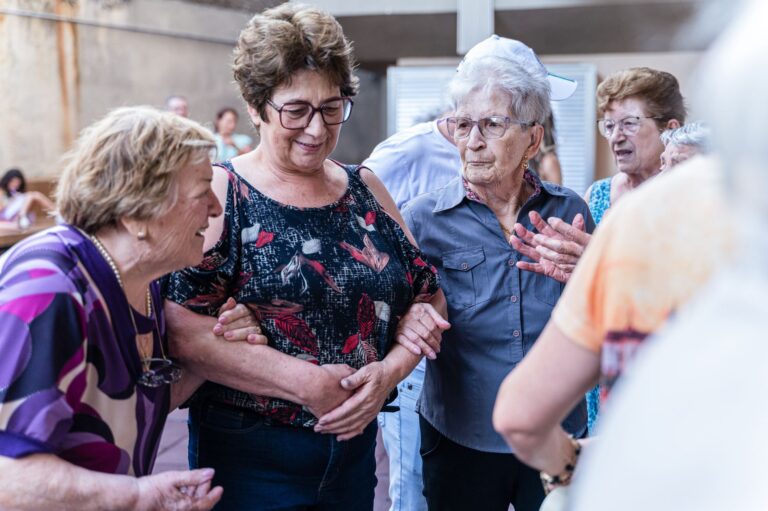
Social isolation is a risk factor for dementia equivalent to smoking or obesity. Loneliness activates stress pathways that increase inflammation and accelerate cognitive decline. Conversely, people with strong social networks—who spend time with friends, family, or community groups—show slower cognitive aging. The mechanism isn’t just emotional; it’s biological. Regular social interaction stimulates multiple brain regions involved in memory, attention, and emotional processing.
An 80-year-old woman who is widowed but volunteers weekly, attends a book club, and has regular family dinners shows cognitive resilience compared to a peer of the same age who lives alone and rarely leaves home, even if the isolated person exercises and eats well. Social engagement is not a luxury add-on; it’s a core prevention strategy. However, the challenge is that social connection requires ongoing effort, especially as we age and lose mobility or when life circumstances change. Someone with hearing loss may withdraw from social situations, increasing dementia risk through a vicious cycle. Another limitation: quality matters more than quantity. Surface-level social contact without meaningful engagement provides less cognitive benefit than smaller circles of deep, meaningful relationships.
Nutrition, Alcohol, and Brain-Protective Compounds
The Mediterranean diet—rich in vegetables, whole grains, legumes, fish, and olive oil—has the strongest evidence for dementia prevention. Studies of populations following this pattern show 30-35% lower dementia risk. The protective compounds include polyphenols, omega-3 fatty acids, and antioxidants that reduce inflammation and oxidative stress in the brain. Alcohol presents a complex picture. Light to moderate consumption (one drink daily for women, two for men) is associated with lower dementia risk, possibly due to anti-inflammatory effects.
However, heavy drinking is a major risk factor, causing direct brain damage and increasing vascular disease. The warning here is that this U-shaped relationship means there’s no benefit to starting drinking for prevention if you don’t already drink, and it’s easy to slip from moderate to excessive consumption. Abstinence is healthier than trying to walk the line. Vitamin B12, folate, and vitamin D deficiencies are common in older adults and are associated with cognitive decline. Someone eating a nutrient-poor diet while absorbing nutrients poorly due to aging or medication use faces higher dementia risk than someone who monitors and supplements these nutrients. This is a specific, actionable prevention point that often goes undiagnosed.

Hearing and Vision—The Underappreciated Risk Factors
Untreated hearing loss doubles or triples dementia risk in people over 60. The mechanism involves both reduced cognitive stimulation (people withdraw socially when they can’t hear) and direct effects of auditory deprivation on brain structure. Someone with unaddressed hearing loss experiences accelerated cognitive aging even if they exercise and maintain other healthy habits.
Yet hearing aids are often delayed or rejected due to stigma or cost concerns. Vision loss similarly increases dementia risk through reduced cognitive engagement and increased falls, which damage the brain. This is a critical prevention insight that often surprises people: correcting sensory deficits isn’t vanity or convenience—it’s a core dementia prevention strategy. Getting hearing aids fitted or updating eyeglasses in your 60s and 70s is as important as taking blood pressure medication.
The Role of Education, Cognitive Reserve, and Lifelong Learning
Higher education and literacy in midlife are associated with lower dementia risk, not because educated people are inherently protected, but because education builds “cognitive reserve”—a resilience that allows the brain to tolerate more pathology before symptoms emerge. Someone with a college degree may develop Alzheimer’s pathology in their brain but remain cognitively functional longer than someone without that educational foundation because their brain has more neural networks and backup pathways.
This points to an important forward-looking insight: cognitive reserve isn’t set in stone at age 25. Lifelong learning—taking courses, learning languages, engaging in complex hobbies—builds reserve throughout life. As research advances, we’re likely to see greater emphasis on education and learning as accessible, preventive interventions.
Conclusion
Dementia prevention is achievable through multiple overlapping strategies: cardiovascular health management, regular exercise, cognitive engagement, strong social connections, sleep quality, sensory health, and nutrition. No single factor guarantees protection, but a combination of these elements, sustained over decades, significantly reduces risk and slows decline if it does occur. The evidence is clear enough that major health organizations worldwide now recommend these interventions as standard preventive care.
The practical path forward involves honest assessment of your current risk factors—blood pressure, cholesterol, hearing, social isolation, physical activity level—and targeting the areas where change is most urgent and achievable. This isn’t about perfection; it’s about consistent, evidence-based choices that compound over time. Starting prevention in your 40s or 50s is ideal, but improvements at any age benefit the brain.
Frequently Asked Questions
If my parent has dementia, am I guaranteed to get it too?
No. While having a parent with dementia increases your risk, genetics alone don’t determine outcomes. Your lifestyle choices can significantly reduce your risk even with a family history. Some people with genetic predisposition never develop dementia, while others with low genetic risk do—lifestyle factors often make the difference.
Is it too late to start prevention at 70 or 80?
It’s never too late. Research shows that people who start exercising, improve their diet, or increase social engagement in their 70s and 80s still show measurable cognitive benefits. The brain retains plasticity throughout life, though starting earlier allows more years of benefit.
Does taking supplements or medications prevent dementia?
Most supplements marketed for brain health lack strong evidence. Vitamin B12, folate, and vitamin D are worth addressing if deficient, but there’s no “brain supplement” that prevents dementia on its own. Prescription medications for hypertension, high cholesterol, and diabetes reduce dementia risk by controlling underlying risk factors.
Can dementia run in families in ways that make prevention pointless?
Early-onset Alzheimer’s linked to specific genetic mutations (APOE4, APP, PSEN1) carries higher risk, but even carriers benefit from aggressive prevention. Late-onset dementia, which accounts for most cases, involves multiple genes and environment—meaning prevention is highly effective at the population level.
What’s the single most important prevention step?
If forced to choose one, cardiovascular health management (blood pressure, cholesterol, diabetes control) is foundational because it protects blood vessels that feed the brain. But realistically, combining exercise, cognitive engagement, social connection, and sleep creates far more protection than any single intervention.
Should I get screened for early memory problems as part of prevention?
Early detection is useful if it leads to intervention, but mild cognitive impairment doesn’t always progress to dementia. Talk with your doctor about cognitive screening if you’re concerned, but don’t assume mild forgetfulness is an inevitable downward path.
You Might Also Like
- Why Anxiety and Dementia Can Overlap
- Can Stress Raise Dementia Risk?
- Can Smart Homes Help People With Dementia Live Safely?
For more, see NIH MedlinePlus — cognitive testing.