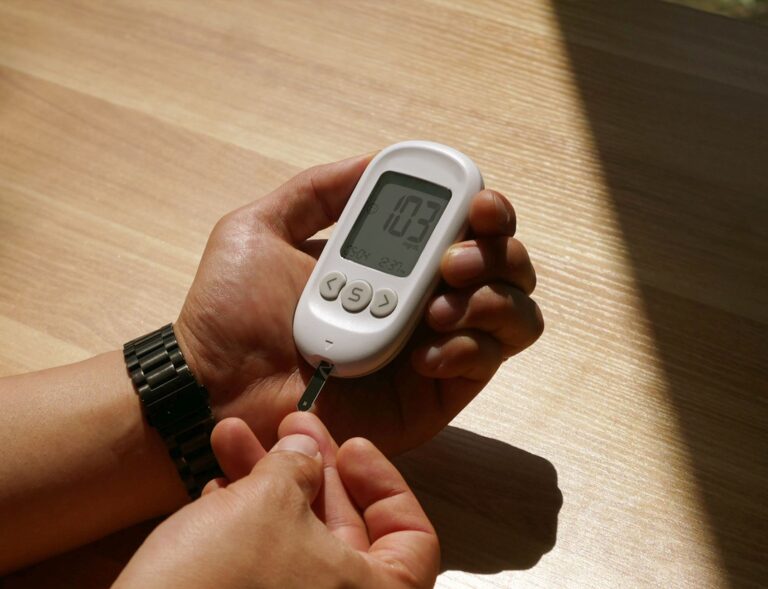
Building diabetes management into a dementia-prevention routine with mild cognitive impairment means keeping blood sugar steady with simple, repeatable habits that also support brain blood flow. Mild cognitive impairment is noticeable memory or thinking change that stays short of lost independence but often precedes dementia. The goal is not perfect control. It is fewer highs, fewer lows, and habits a person with memory slips can keep each day.
Medical information disclaimer: This article is for general educational purposes only and does not provide medical advice, diagnosis, or treatment. Always consult a physician or other qualified health professional about symptoms, medications, tests, or treatment decisions.
Table of Contents
- Why steady blood sugar protects thinking
- What does a workable daily routine include
- How do food and movement help both conditions
- How should medical care adapt for older adults with MCI
Why steady blood sugar protects thinking
The CDC reports that chronic high blood sugar harms brain blood vessels, cuts oxygen-rich blood flow, and kills brain cells, which can lead to memory problems and vascular dementia and Alzheimer's disease how diabetes affects the brain. That damage builds over time. Steady control lowers that strain.
With mild cognitive impairment, low blood sugar also matters. Confusion, falls, and missed doses become more likely. A routine must guard against both highs and lows.
What does a workable daily routine include
Keep the same order, same tools, and same places each day. Memory supports routine when steps do not change.
Ask a family member or aide to review the sheet weekly. Early review catches missed doses, repeat lows, or new confusion.
- Check blood sugar at the same times linked to meals or bedtime.
- Take medicines from a weekly box kept next to the glucose meter.
- Eat meals at set times with a simple plate of vegetables, whole grains, and protein.
- Walk briefly after the largest meal when safe.
- Write readings, doses, and symptoms on one sheet on the fridge.
How do food and movement help both conditions
The Alzheimer's Association notes that conditions raising heart risk, including diabetes, high blood pressure, and high cholesterol, also raise Alzheimer's risk, and regular exercise that increases brain blood and oxygen flow may lower Alzheimer's and vascular dementia risk steps that may lower risk. Short walks, housework, gardening, or chair exercises count when done often. Pick movement that fits balance and joints.
Heart-healthy eating follows the same pattern. Limit sugar and saturated fat. Favor fruits, vegetables, and whole grains, including Mediterranean-style meals. Cook once and repeat two or three trusted menus rather than trying new diets weekly.
How should medical care adapt for older adults with MCI
The American Diabetes Association advises annual checks for thinking change, depression, falls, low blood sugar, and too many medicines in older adults with diabetes, with individualized A1C goals such as below 7.0%-7.5% when healthy and below 8.0% when health is complex, using drugs with low low-blood-sugar risk 2026 older-adult diabetes standards. Share any memory change, low episode, or fall promptly. Goals may loosen to favor safety.
Simplify the plan when slips grow. Use one pharmacy, one dosing list, and alarms tied to meals. Ask the clinician to stop unneeded drugs and choose options with low hypoglycemia risk.