Building diabetes management into a realistic dementia prevention routine when starting slowly means pairing small blood sugar habits with brain-protective habits. Diabetes is a condition of prolonged high blood sugar, and steady control protects both body and brain. Start with brief walks, simple meals, and regular checks for blood pressure and cholesterol. Small steps build consistency without exhaustion or injury.
Medical information disclaimer: This article is for general educational purposes only and does not provide medical advice, diagnosis, or treatment. Always consult a physician or other qualified health professional about symptoms, medications, tests, or treatment decisions.
Table of Contents
- Why blood sugar control protects the brain
- How do you start moving safely?
- What should meals look like for both conditions?
- How do you make the routine stick?
- Frequently Asked Questions
Why blood sugar control protects the brain
Prolonged high blood sugar damages brain blood vessels. According to the U.S. Centers for Disease Control and Prevention, that damage reduces oxygen delivery, kills brain cells, and raises risk of stroke, memory loss, vascular dementia and Alzheimer's disease on the CDC brain-effects page.
Diabetes is one of 14 modifiable dementia risk factors named by the 2024 Lancet Commission. Reporting on that commission by NIHR Dementia Researcher estimates about 45% of global cases could theoretically be delayed or prevented if those factors were addressed in the Lancet report summary. That number is theoretical, not a personal promise. It shows why combined vascular care matters for families planning long-term brain health.
How do you start moving safely?
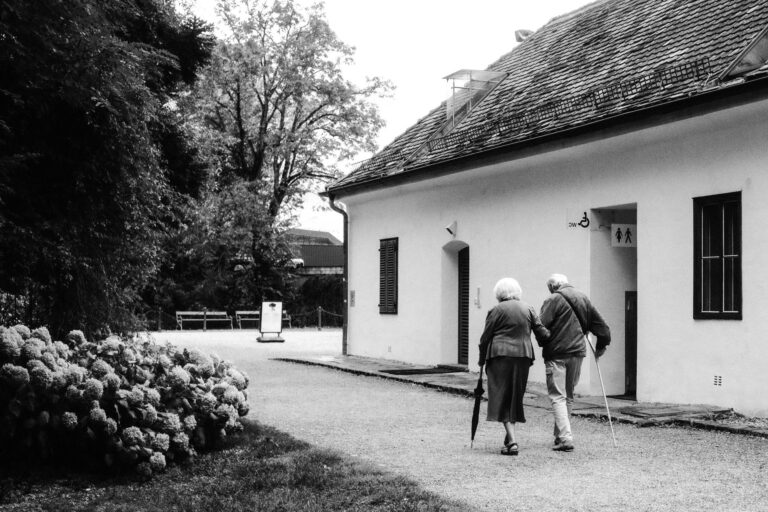
Begin with very short activity, then add time. The CDC advises starting with a 10-minute walk after dinner or 5-10 minutes daily, then building toward at least 150 minutes per week of moderate activity such as brisk walking in the CDC activity guidance.
Older adults can start even smaller. National Institute on Aging guidance advises beginning with low-intensity movement, even 5 minutes, then building gradually toward 30 minutes per day. Use this slow-build pattern:.
- Walk 5-10 minutes after one meal each day.
- Break up long sitting with brief stand-and-move breaks.
- Add strength, balance, and flexibility work as stamina grows.
- Ask your care team about foot care, glucose checks, and warning signs during exercise.
What should meals look like for both conditions?
Choose patterns that serve blood sugar and brain health together. Those patterns emphasize whole grains, legumes, nuts, fruits, and vegetables while limiting refined foods, as described by the American Diabetes Association and National Institute on Aging in the NIA diet news report. Mediterranean, DASH, and MIND variants add leafy greens, berries, beans, nuts, olive oil, and at least weekly fish.
A practical plate is salmon, lentils, spinach, and brown rice with olive oil. Evidence here is observational and mixed. Closer adherence to MIND and Mediterranean diets is linked to slower decline and fewer Alzheimer's pathology signs, especially with leafy greens, but a 604-person MIND trial improved cognition in both arms without extra benefit from the assigned diet.
How do you make the routine stick?
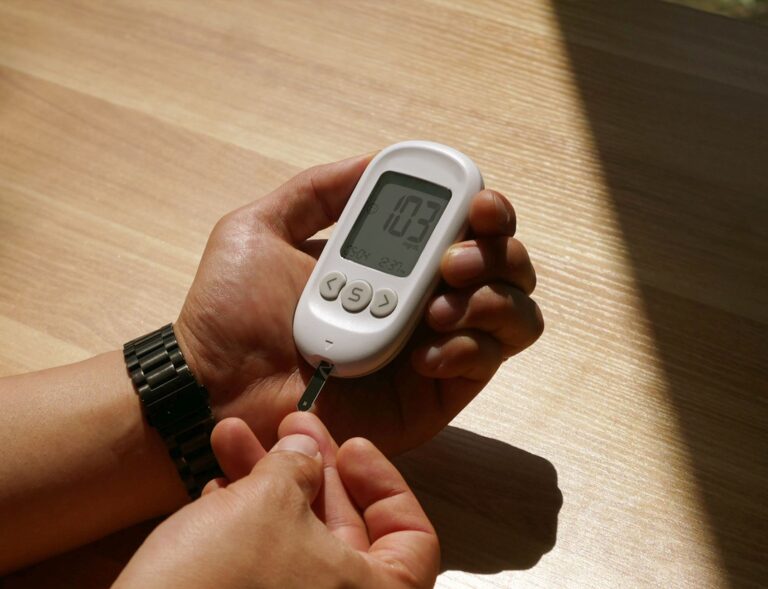
Pair diabetes tasks with existing daily cues. Check glucose before breakfast, walk after dinner, and keep pills, shoes, and a water bottle in visible spots. Combine vascular risks instead of chasing one number.
Five studies reported in 2025 found that taking common medications together for blood pressure, cholesterol, and diabetes was associated with slower cognitive decline. Track only three items at first: active minutes, vegetable servings, and sleep regularity. Bring that short log to each visit and adjust one habit at a time.
Frequently Asked Questions
Do I need intense exercise to protect my brain?
No. Short daily walks and fewer long sitting periods improve glucose control, and gradual buildup lowers injury risk.
Which diet change helps most at the start?
Add one daily serving of leafy greens and replace one refined grain with whole grains, beans, or lentils.