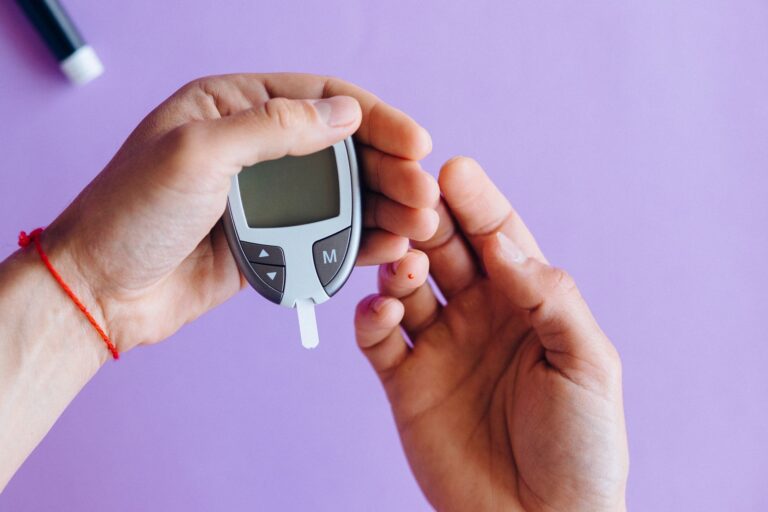
Building diabetes management into a realistic dementia prevention routine with limited mobility means pairing steady blood-sugar control with short, seated-friendly activity, balanced meals, and regular health checks. Diabetes management is the daily balance of food, physical activity, and prescribed medicine to keep blood glucose in target range. That same balance also supports the brain. Diabetes can damage brain blood vessels and reduce oxygen-rich blood flow, which kills brain cells and raises risk of memory loss, vascular dementia, and Alzheimer's disease, according to CDC guidance on diabetes and the brain.
Medical information disclaimer: This article is for general educational purposes only and does not provide medical advice, diagnosis, or treatment. Always consult a physician or other qualified health professional about symptoms, medications, tests, or treatment decisions.
Table of Contents
- Why blood sugar control protects the brain
- What activity is realistic with limited mobility?
- How do meals support blood sugar and memory?
- How do you fit checks and safety into one day?
Why blood sugar control protects the brain
High blood sugar injures small vessels that feed both the heart and brain. Over time, poor flow starves brain cells of oxygen.
That damage raises risk for vascular dementia and Alzheimer's disease. Control of blood pressure, diabetes, and cholesterol protects heart and brain together. In adults 50 and older, lowering systolic pressure below 120 mmHg reduced mild cognitive impairment over five years.
What activity is realistic with limited mobility?
Older adults with chronic conditions or disabilities who are able should aim for 150 minutes weekly of moderate aerobic activity plus muscle strengthening on 2 days, adjusted to abilities, according to CDC physical activity guidelines. Aerobic activity is movement that raises heart rate and breathing, such as brisk wheeling or marching in place.
Start with 5-minute bouts rather than long sessions. Add chair-supported balance work, such as standing on one foot while holding a sturdy chair, plus bands or bodyweight strengthening.
How do meals support blood sugar and memory?
MIND and Mediterranean eating patterns emphasize vegetables, fruits, whole grains, olive oil, and beans. These patterns are associated with slower cognitive decline, partly by reducing diabetes, obesity, and heart-disease risk, according to National Institute on Aging research on diet and Alzheimer's.
Build plates around those foods at regular times to avoid sharp glucose swings. Pair meals with prescribed medicine and activity, since diabetes care requires balancing food and drink with movement and medicine to stay in target range.
How do you fit checks and safety into one day?
Diabetes targets must fit age and health to avoid hypoglycemia, or dangerously low blood sugar. Healthy older adults often aim for A1C under 7.0 to 7.5%, complex cases under 8.0%, while frail adults focus mainly on avoiding lows.
A1C is a blood test showing average glucose over two to three months. Use one repeatable daily order that links brief activity, meals, sleep, and medication checks:.
- Do a 5-minute seated march or arm-band set before breakfast.
- Check glucose and take medicine as prescribed with the meal.
- Take a second short movement break after lunch or dinner.
- Note sleep, balance, and any low-sugar symptoms for the next visit. Exercise alone has less-certain evidence for preventing Alzheimer's specifically, so the full routine matters more than any single habit.