Building collaborative models between research and care means creating structured pathways where researchers, clinicians, and care teams work together in real time—not as separate entities—to improve outcomes for people with dementia and other chronic conditions. The most successful examples, like the Centers for Medicare & Medicaid Services (CMS) Collaborative Care Model (CoCM), which has been formally recognized and reimbursable since 2017, demonstrate that when researchers embed themselves within clinical teams and care settings, they identify problems that matter to patients and test solutions at the point of care. Rather than conducting studies in isolation and publishing results years later, collaborative models collapse the gap between discovery and practice.
In dementia care specifically, this approach addresses a critical problem: many evidence-based interventions never reach the people who need them most. A nurse scientist working within an academic health system, for example, doesn’t wait to publish research before changing clinical protocols. Instead, they observe what’s actually happening on the unit, identify gaps, test changes, measure results, and iterate—with real patients and families integrated into the process. This is not a future vision; it’s happening now across Medicare, commercial payors, and state Medicaid programs, with significant expansion expected through 2025-2026.
Table of Contents
- Why Separating Research From Clinical Care Creates Problems
- The Researcher-in-Residence Model: Embedding Evidence Into Care Settings
- Telehealth and Collaborative Care Integration in Dementia Management
- Financing as the Backbone of Collaboration
- Nurse Scientists as the Bridge Between Worlds
- Building Research Capacity in Care Organizations
- Dementia-Specific Collaborative Models in Practice
Why Separating Research From Clinical Care Creates Problems
Traditional research operates on a timeline that rarely aligns with patient needs. A study might take three to five years to complete, get published, face peer review, and then slowly diffuse into practice—if it ever does at all. Dementia care cannot wait that long. A family managing behavioral symptoms of Alzheimer’s disease, or a primary care clinician struggling to coordinate care for someone with mild cognitive impairment, needs usable guidance now. Separated research and care also creates accountability problems: researchers optimize for publications and grants; clinicians optimize for immediate patient management and billing codes.
Neither system is designed to ask whether the research actually solves the problems clinicians face. The CMS Collaborative Care Model exemplifies the alternative. Since its inception in 2017, CoCM has expanded across Medicare, commercial insurance, and state Medicaid programs because it embeds care coordination and behavioral health expertise directly into primary care settings. The research supporting it didn’t come from a separate academic institution; it came from clinicians who tested the model, measured outcomes, and generated evidence simultaneously. This integration is now so established that Medicaid programs are actively restructuring their financing mechanisms in 2025-2026 to support and expand CoCM—a shift that wouldn’t happen if the model remained theoretical.
The Researcher-in-Residence Model: Embedding Evidence Into Care Settings
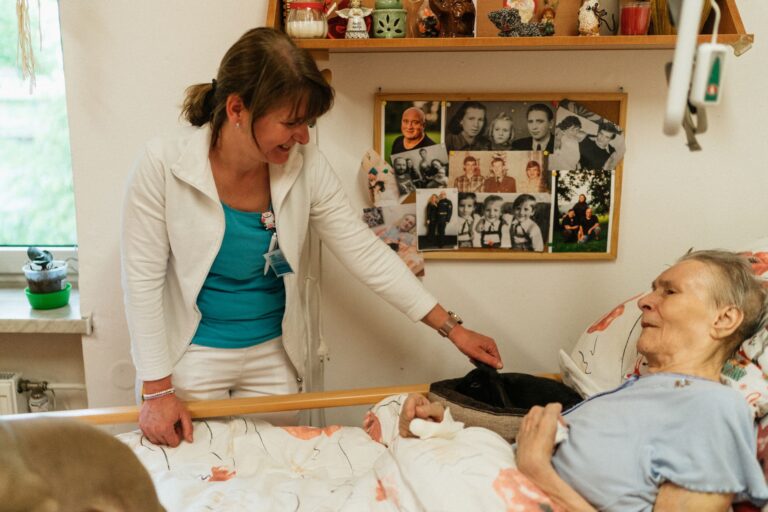
One concrete approach to bridging research and care is the researcher-in-residence program, now being implemented in adult social care settings, including some dementia-focused facilities. These programs place researchers or nurse scientists directly within care organizations to build research capacity, identify practice gaps, and translate existing evidence into actionable changes. Unlike a traditional consultant or academic visitor, the researcher-in-residence works at the pace of the organization and stays long enough to see changes take root. However, this model comes with significant limitations.
It requires sustained funding that many care settings cannot afford, and it demands researchers who are genuinely interested in serving practitioners, not just advancing their own careers. A researcher who views the placement as a burden or merely a source of data will create friction rather than collaboration. Additionally, not all research questions are equally suited to this embedded approach. Some require controlled conditions, external perspective, or large population samples that the single organization cannot provide. The challenge is determining which questions belong in-house and which need to stay in academic settings while still maintaining some connection to real-world practice.
Telehealth and Collaborative Care Integration in Dementia Management
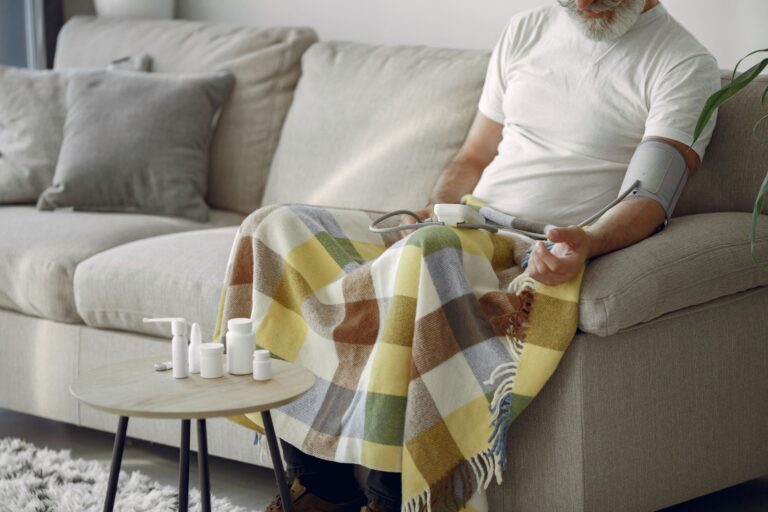
Telehealth has opened new possibilities for collaborative care in dementia, particularly in rural areas where specialists and coordinated care teams are scarce. A current mixed-methods research study underway for rural chronic disease management is testing a digital health platform built explicitly on person-centered, collaborative-care principles. This study is expected to conclude by the end of 2026, and early indicators suggest that combining telehealth infrastructure with genuine care coordination—not just remote monitoring—can improve access and outcomes for people with cognitive impairment and their families. The advantage of telehealth in a collaborative model is speed and reach.
A primary care clinician in a rural practice can now connect a patient with a neuropsychologist, a social worker, and a care coordinator without requiring the patient to travel hours for specialty care. But telehealth also introduces new research questions that didn’t exist before. Does screen-based assessment work as well as in-person evaluation for diagnosing mild cognitive impairment? How do you build genuine relationship and trust in dementia care through a screen? These aren’t secondary questions; they’re central to whether the whole system works. Researchers and clinicians together are now answering them in real time, rather than waiting for post-hoc validation.
Financing as the Backbone of Collaboration
A collaborative model only survives if someone pays for it. This is where the CMS Collaborative Care Model’s success becomes instructive. When Medicare began reimbursing CoCM as a billable service in 2017, it created economic incentive for primary care practices to adopt the model. The same expansion is now happening in Medicaid, with state programs designing new financing structures to support CoCM throughout 2025 and 2026.
Without this reimbursement, even well-intentioned clinicians cannot afford to pay the care coordinator or behavioral health specialist that the model requires. This creates a tradeoff that dementia care organizations must navigate: participating in reimbursable collaborative models may require adopting specific structures or protocols that aren’t perfect for your particular patient population. A small memory care community might not fit neatly into CoCM billing requirements, for example, or a research team might have to compromise on their ideal study design to meet the practical constraints of a clinical partner. These aren’t failures of the collaborative model; they’re the friction points where theory meets reality. The organizations that succeed are those willing to negotiate these tradeoffs transparently rather than insisting on purity.
Nurse Scientists as the Bridge Between Worlds
Nurse scientists embedded in academic health systems represent one of the most direct paths to integrating research into clinical care. These professionals hold PhDs or doctoral research credentials, conduct rigorous research, but do so within clinical settings where they can directly observe and improve patient outcomes. Rather than generating evidence that sits in journals, nurse scientists participate in real-time quality improvement, staff education, and care protocol changes based on what they learn. However, this approach also reveals tensions that pure collaboration cannot completely resolve.
A nurse scientist may discover through research that a common clinical practice actually harms patients—but changing that practice requires confronting colleagues, shifting workflows, and potentially admitting years of suboptimal care. The collaborative relationship doesn’t eliminate this conflict; it just ensures it happens within the system rather than through external criticism. In dementia care, where family members often bear the burden of care decisions and insufficient guidance, nurse scientists have documented practice variations that suggest many families are receiving inconsistent information about behavioral management, medication side effects, and advance planning. Embedding researchers into clinics doesn’t guarantee these problems get fixed, but it does create the structural possibility of addressing them.
Building Research Capacity in Care Organizations
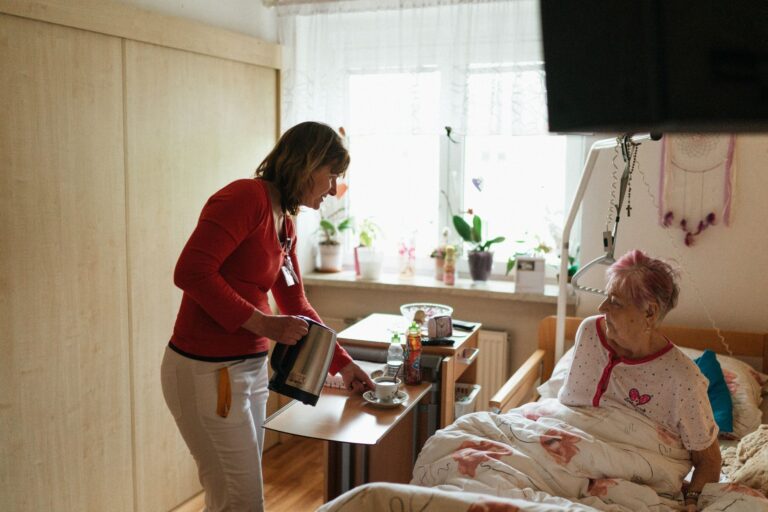
A practical benefit of collaborative models is that care organizations can build their own research capacity rather than remaining passive subjects of external studies. When a researcher-in-residence program operates within a dementia care facility, for example, the staff learns research methods, data collection practices, and evidence appraisal skills. Over time, the organization becomes capable of generating its own questions and testing local solutions without waiting for external funding or academic partnerships.
One tangible example: a nursing home implemented a collaborative research project to understand why some residents with dementia had significantly fewer behavioral incidents than others. Rather than hiring an external research team, they embedded one nurse researcher with access to existing staff expertise and patient data. The resulting study identified specific staffing patterns, communication protocols, and environmental factors that correlated with better outcomes—findings that likely wouldn’t have emerged from an external observer who didn’t understand the facility’s culture and operational constraints. The care home then applied these findings to their own practices and measured improvement, creating a closed feedback loop of evidence and action.
Dementia-Specific Collaborative Models in Practice
Dementia care presents unique collaborative opportunities because the field remains fragmented across neurology, primary care, psychiatry, social work, and family support—no single professional group can adequately address the full scope of need. Collaborative models that explicitly connect researchers, clinicians, and family members have begun emerging in memory care units and community-based dementia programs. These models recognize that families are de facto researchers, continuously testing what works for their particular relative; connecting that informal experimentation with formal evidence-gathering and clinical expertise creates something more powerful than any single discipline alone.
The CMS Collaborative Care Model has begun expanding into dementia-focused primary care practices, where geriatricians, neuropsychologists, psychiatrists, and care coordinators work together under one billing and care-planning framework. Medicaid programs expanding CoCM financing through 2025-2026 are specifically targeting chronic disease management in aging populations, which includes dementia. This expansion signals that payers—who ultimately control whether innovations reach patients—have concluded that integrated, collaborative care is not a luxury but a necessary cost-containment and quality improvement strategy.