Blue light therapy is a clinically proven treatment for acne that works by emitting specific wavelengths of light—between 405 and 420 nanometers—that destroy the bacteria responsible for breakouts. Studies show that 95% of patients treated with blue light experienced partial clearance of acne lesions, with meaningful improvement often appearing within four weeks. For someone dealing with persistent breakouts that haven’t responded to conventional treatments, blue light therapy offers a non-invasive, UV-free alternative that’s FDA-approved and backed by dermatological research. This article explains what blue light therapy actually does, how it compares to other acne treatments, what you can realistically expect, and the current limitations of this technology.
Blue light therapy doesn’t work through heat or physical exfoliation—it’s a targeted biological mechanism. When blue light penetrates the skin, it generates reactive oxygen species and singlet oxygen that specifically attack *Cutibacterium acnes* bacteria, the pathogen responsible for inflammatory acne. This means the therapy isn’t just treating the symptoms; it’s directly eliminating the root cause of many breakouts. However, blue light isn’t a cure-all; dermatologists typically consider it a secondary option, best used alongside or after first-line treatments like benzoyl peroxide.
Table of Contents
- How Does Blue Light Therapy Actually Work on Breakouts?
- Blue Light Therapy Effectiveness: What the Research Shows
- Blue Light Wavelengths and Bacterial Targeting
- Practical Use: Home Devices vs. Professional Treatments
- Safety and Side Effects You Should Know About
- How Blue Light Compares to Traditional Acne Treatments
- The Future of Light-Based Acne Therapy
- Conclusion
How Does Blue Light Therapy Actually Work on Breakouts?
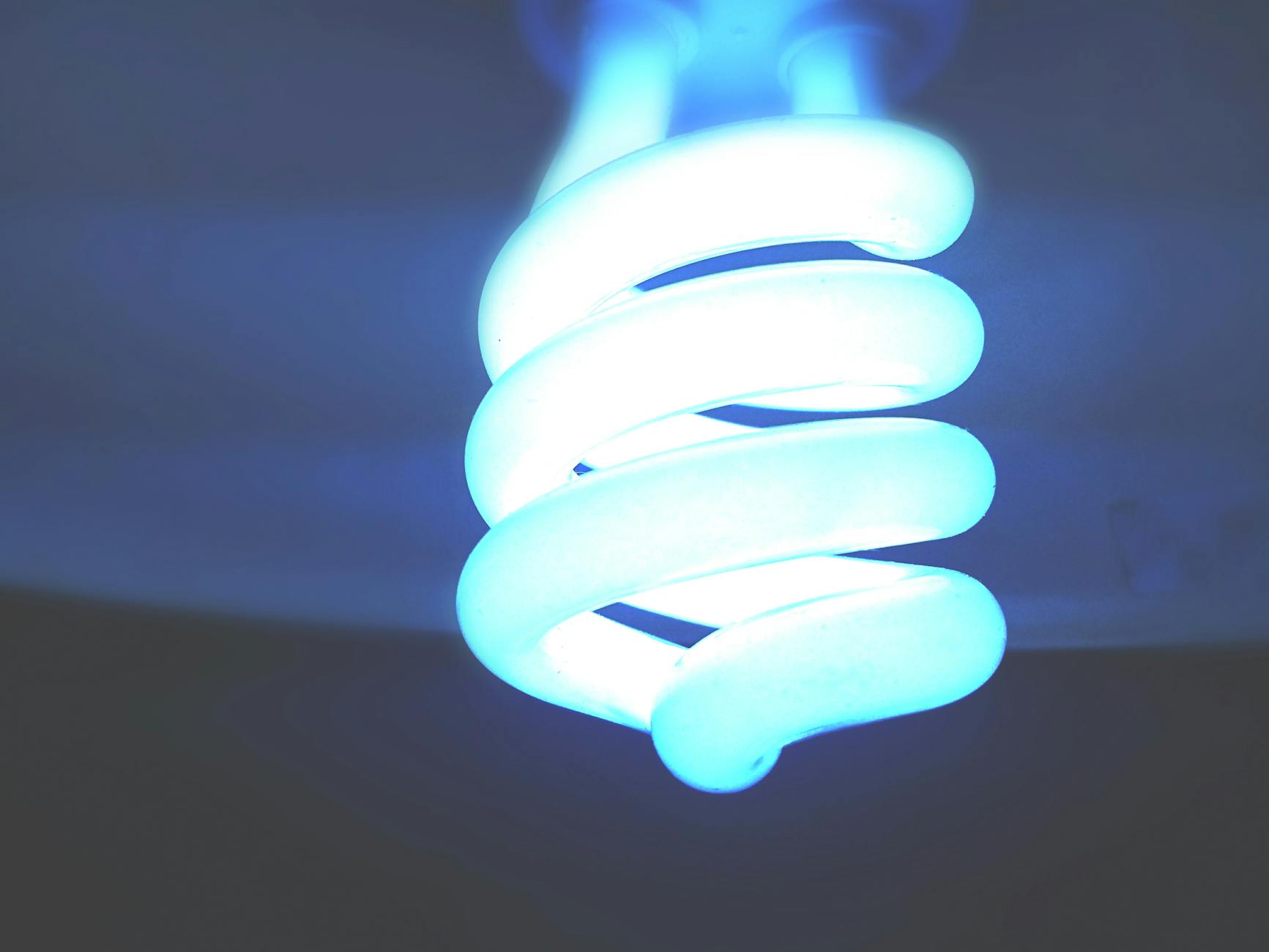
The mechanism behind blue light therapy is rooted in photochemistry. When blue light at the specific wavelength of 407–420 nanometers hits *Cutibacterium acnes* bacteria in the skin, it activates naturally occurring compounds within the bacterial cells. These light-sensitive molecules generate reactive oxygen species—unstable, highly reactive molecules—that damage the bacteria’s internal structures and kill them. Unlike antibiotics, which bacteria can develop resistance to over time, this mechanism is physical and molecular; the bacteria cannot evolve a defense against light-generated oxygen radicals in the same way. The bacteria responsible for acne lives in the sebaceous glands and hair follicles, particularly in areas with more oil production like the face, chest, and back.
Blue light can penetrate the outer layers of skin (the epidermis and upper dermis) to reach these deeper pockets where the bacteria colonize. This is why blue light therapy is particularly effective for inflammatory acne—the type that appears as red, tender bumps—rather than comedones (blackheads and whiteheads), which form through a different biological process involving dead skin cells and sebum. The depth of light penetration matters for how effective the treatment is. Blue light doesn’t penetrate as deeply as red light or near-infrared light, so it works best on acne that’s relatively close to the skin surface. For someone with deep cystic acne affecting the lower dermis, blue light alone might not reach all the bacterial colonies, which is why combination therapies or alternative approaches sometimes work better.
Blue Light Therapy Effectiveness: What the Research Shows
Clinical evidence for blue light therapy is substantial but comes with important caveats. A systematic review and meta-analysis found that 95% of patients treated with blue light experienced at least partial clearance of acne lesions, with 42% seeing significant reductions (51–74% improvement) and 9% achieving near-complete clearance (75–99% improvement). These aren’t trivial numbers, but they also illustrate that blue light doesn’t work equally well for everyone. More recent research from 2025 shows faster results with modern LED devices. When patients used home-use LED therapy (specifically the Omnilux Clear device) for seven weeks, 86% achieved at least a one-grade improvement in clinical acne severity, with significant reductions in both inflammatory and non-inflammatory lesions.
In another study, patients who received 420-nanometer wavelength treatments twice weekly for eight sessions showed 52% improvement in acne condition on treated faces, compared to only 15% improvement on untreated control areas of the same face. Average response time across studies is typically around four weeks, though some patients see benefits earlier while others may need eight to twelve weeks for full effect. However, most clinical trials testing blue light therapy have been relatively small (typically fewer than 12 weeks) and carry a moderate to high risk of bias, according to research published in the Annals of Family Medicine. This means the true effectiveness might be somewhat different than published results suggest, and more rigorous, large-scale studies are needed. Additionally, current evidence indicates that blue light therapy is secondary to first-line acne treatments like topical benzoyl peroxide, meaning dermatologists typically recommend trying proven topicals first before moving to light-based therapy.
Blue Light Wavelengths and Bacterial Targeting
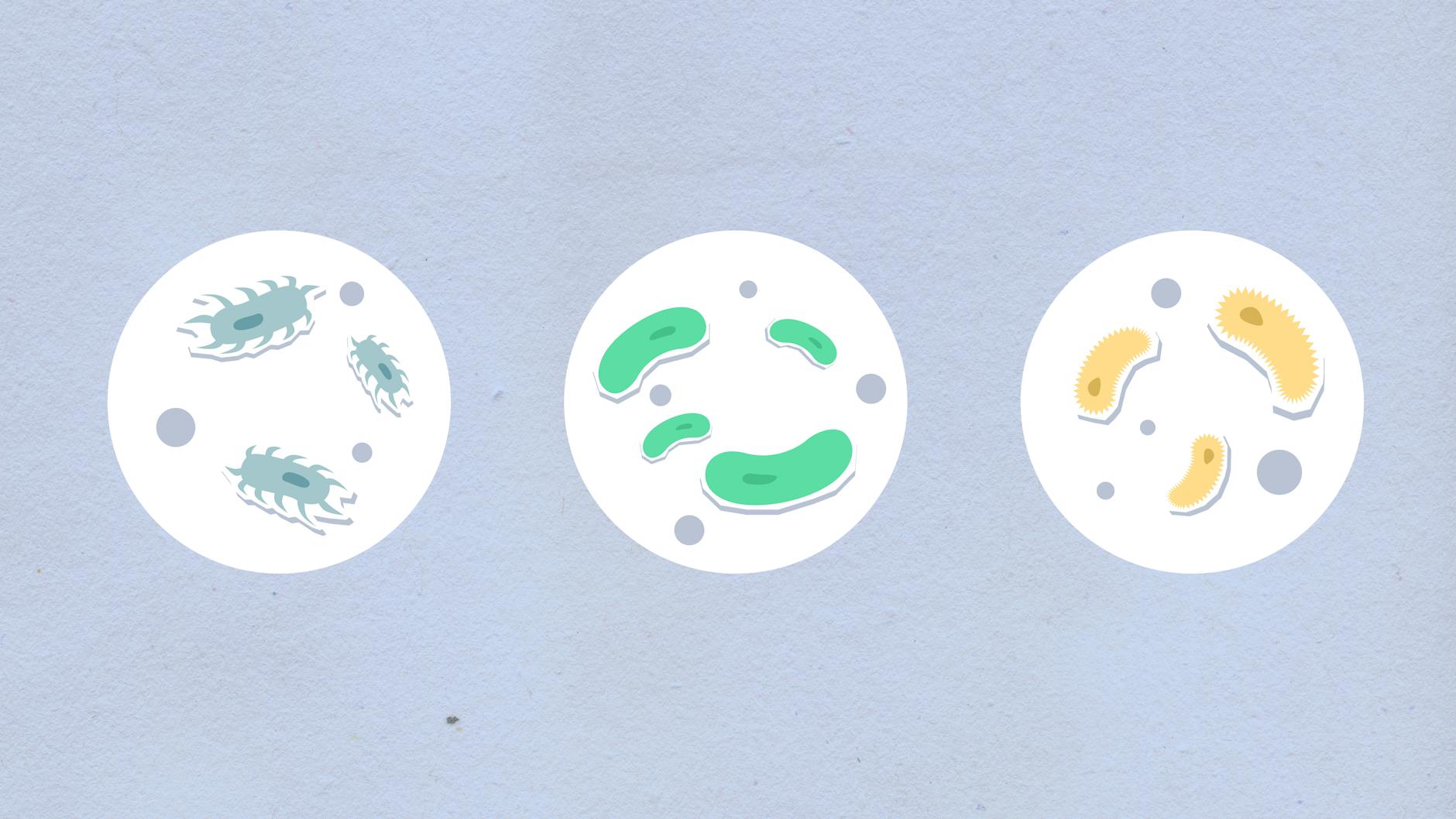
The wavelength of light is everything in phototherapy—it determines which bacteria are affected, how deeply the light penetrates, and how effective the treatment will be. Blue light for acne treatment clusters around 407–420 nanometers, and clinical studies show that 420 nanometers specifically produces measurable results. Light outside this range—such as 380 nanometers (closer to ultraviolet) or 480 nanometers (approaching the boundary between blue and green)—doesn’t have the same bacterial-killing effect, even though these are visually still in the blue spectrum. Different home and professional blue light devices emit slightly different wavelengths within the effective range, which affects their power.
A device claiming to produce blue light at 450 nanometers might feel like the same thing but actually won’t be as effective against *Cutibacterium acnes*. When choosing a blue light therapy device, checking the actual wavelength specification (usually found in the product documentation or clinical testing) matters more than brand reputation. For example, some LED face masks advertise “blue light acne treatment,” but if they emit at 470 nanometers or don’t have published clinical testing, they may not deliver the results of devices specifically calibrated to 407–420 nanometers. The intensity (measured in milliwatts per square centimeter) and duration of exposure also factor into effectiveness. Professional dermatology devices deliver stronger output than most home devices, which is one reason why in-office blue light treatments sometimes show faster results than home-use alternatives, though home devices used consistently over several weeks can be nearly as effective.
Practical Use: Home Devices vs. Professional Treatments
Blue light therapy is available in two main formats: professional treatments administered in a dermatology office and home devices that patients can use themselves. Professional treatments typically deliver higher light intensity over shorter sessions, with dermatologists using specialized blue light panels or combination systems. A typical professional protocol might involve 15- to 20-minute sessions, often twice weekly for four to eight weeks. The advantage is that you have professional monitoring—a dermatologist can assess your skin’s response, adjust frequency if needed, and identify any complications. Home-use blue light devices range from inexpensive LED panels (typically $30–$200) to prescription-strength devices (Omnilux, Theralight, and similar brands running $200–$600).
The Omnilux Clear device, which generated the 86% improvement rate in the 2025 clinical study, requires consistent use: patients applied it for 10 minutes three times weekly for seven weeks. This means home therapy requires significant user discipline and patience—you don’t get results from a single treatment. However, the advantage is convenience and lower long-term cost compared to multiple dermatology visits. One trade-off: home devices with lower specifications might produce slower results or require longer treatment duration. Someone considering home therapy should verify that their chosen device has published clinical evidence supporting its wavelength and intensity claims, rather than relying solely on marketing.
Safety and Side Effects You Should Know About
One of blue light therapy’s major advantages is its safety profile. Unlike UV light (used in older phototherapy approaches), blue light therapy does not increase skin cancer risk or accelerate skin aging. Studies specifically examining safety have found no association between blue light exposure and increased melanoma risk or photoaging. The FDA has approved blue light therapy for moderate acne vulgaris and cases unresponsive to other therapies, which includes formal recognition that the treatment is safe for its intended use. Reported adverse effects from blue light therapy are mild and uncommon.
Some patients experience temporary redness or mild irritation immediately after treatment, usually subsiding within hours. A small number report mild photosensitivity or eye discomfort if the light is directed at the face near the eyes, which is why most devices include eye protection or are designed to avoid direct eye exposure. People with certain photosensitizing medications (such as some antibiotics or certain NSAIDs) should consult a dermatologist before starting blue light therapy, as these medications can theoretically increase light sensitivity, though serious interactions are rare. One important limitation: blue light therapy is less effective on darker skin tones, not because of biological differences but because the pigment melanin absorbs blue light, reducing its penetration depth. Studies show that patients with darker skin may need higher intensity or longer treatment duration to achieve the same results as those with lighter skin. This doesn’t mean blue light therapy is ineffective for darker skin, but it does mean results may take longer or require professional-grade devices rather than consumer home devices.
How Blue Light Compares to Traditional Acne Treatments
To understand where blue light therapy fits into the broader acne treatment landscape, it’s useful to compare it directly to the gold standard first-line treatment: topical benzoyl peroxide. Benzoyl peroxide is faster-acting (visible improvements often within two to three weeks), cheaper, and has decades of proven track record. It directly kills bacteria and also exfoliates the skin, addressing multiple acne mechanisms. The downside: benzoyl peroxide can be irritating, may cause dryness or peeling, and can bleach fabrics and hair. Blue light is less irritating, causes minimal drying, and doesn’t stain, but typically requires more patience—four weeks is minimum for noticeable results. Oral antibiotics represent another common approach, particularly for moderate inflammatory acne. They work systemically to reduce bacterial populations throughout the body and have anti-inflammatory effects.
However, repeated antibiotic use raises resistance concerns; dermatologists now recommend limiting antibiotic therapy to a few months and combining it with other treatments. Blue light therapy doesn’t carry resistance risk and can complement antibiotics, making it particularly useful for patients who’ve already used antibiotics for acne. Retinoids (like tretinoin) address the root causes of acne—excess skin cell turnover and follicular plugging—but require gradual dosing to avoid irritation and have potential side effects for pregnant patients. Blue light, by contrast, is pregnancy-safe and has no systemic effects. For severe cystic acne, isotretinoin (Accutane) is the only cure, but it requires intensive monitoring due to serious potential side effects. Blue light therapy is not a replacement for isotretinoin in severe cases, but it can help prevent severe acne from developing when used early on mild to moderate breakouts. In practice, the most effective approach often combines therapies: a patient might use benzoyl peroxide as a first-line treatment, add blue light therapy if that alone doesn’t fully clear acne within 8–10 weeks, and potentially add a low-dose retinoid if combination therapy with benzoyl peroxide and blue light still leaves problematic areas.
The Future of Light-Based Acne Therapy
Light-based acne treatments are evolving beyond simple blue light. Combination devices that merge blue light (for bacterial targeting) with red light (for anti-inflammatory effects) are gaining clinical attention. Red light doesn’t kill *Cutibacterium acnes* directly, but it reduces inflammation and may improve skin healing, potentially amplifying blue light’s benefits. Some newer devices also incorporate infrared light, which penetrates deeper to reach the lower structures of pilosebaceous units where deeper acne forms.
However, most evidence still supports blue light alone as the primary light-based approach for direct bacterial targeting. As dermatological research advances, the likely role of blue light therapy will increasingly be as part of a combination strategy rather than as a standalone treatment. With better home device technology, more accessible professional treatments, and growing evidence on optimal wavelengths and treatment frequencies, blue light therapy is becoming more practical for patients. The key shift ahead will probably be in personalization—determining which patients benefit most from blue light (likely younger patients with mild to moderate inflammatory acne), what treatment frequency works best for different skin types, and how to combine light therapy with other modalities for maximum efficacy. For patients seeking a non-invasive, medication-free option with proven safety, blue light therapy represents a meaningful advancement even if it’s not a replacement for existing first-line treatments.
Conclusion
Blue light therapy is a clinically validated, FDA-approved treatment that works by generating reactive oxygen species to destroy the bacteria causing breakouts. With 95% of patients experiencing at least partial improvement and 86% seeing significant reduction in acne severity in recent studies, it’s a legitimate option for people whose acne hasn’t responded to conventional treatments or who want to avoid oral medications and antibiotics. The practical reality is that results take patience—typically four weeks minimum—and the therapy works best when you understand it as a secondary option, used alongside or after proven first-line treatments like benzoyl peroxide.
If you’re considering blue light therapy, verify that any device you choose operates at 407–420 nanometers and has published clinical evidence supporting its claims. For best results, use home devices consistently (as shown in the research, three times weekly for several weeks), and expect more dramatic results if you have lighter skin tones or mild to moderate inflammatory acne. Given its excellent safety profile and minimal side effects, blue light therapy represents a practical tool in acne management, even if it’s not the fastest or most powerful option available.