Controlling high blood pressure can lower the risk of cognitive decline and dementia, but it cannot guarantee prevention. Blood pressure control means using lifestyle changes and, when needed, medication to reach a target chosen with a clinician. The practical aim is to set an appropriate target, measure accurately at home, and follow a plan that reflects cardiovascular risk. The evidence supports action, but not pursuing the lowest possible number without medical guidance.
Medical information disclaimer: This article is for general educational purposes only and does not provide medical advice, diagnosis, or treatment. Always consult a physician or other qualified health professional about symptoms, medications, tests, or treatment decisions.
Table of Contents
- What does the evidence show?
- Which blood pressure target should you use?
- Make home readings useful
- Build a treatment plan you can follow
- Who needs a more individualized approach?
What does the evidence show?
The DIRECT Collaboration pooled five placebo-controlled trials involving 28,008 participants across 20 countries. Over an average of 4.3 years, treatment that lowered blood pressure by an average of 10/4 mm Hg reduced the odds of developing dementia by 13%, according to the analysis in the European Heart Journal. That is a relative reduction in odds, not a 13-percentage-point guarantee for an individual. SPRINT MIND studied 9,361 adults aged 50 or older who had hypertension and elevated cardiovascular risk.
Participants received a systolic target—the top blood pressure number—below either 120 or 140 mm Hg. The lower-target group had 19% less mild cognitive impairment, meaning cognitive problems short of probable dementia. Probable dementia alone was less common with intensive treatment, at 7.2 versus 8.6 cases per 1,000 person-years, but the difference was not statistically significant. The evidence therefore supports blood pressure treatment as one way to reduce risk, not as a stand-alone shield against dementia.
Which blood pressure target should you use?
The 2025 American Heart Association and American College of Cardiology guideline sets an overall treatment goal below 130/80 mm Hg for adults, while allowing individualized exceptions. Your appropriate goal may depend on your broader health and cardiovascular risk.
SPRINT's below-120 systolic target was a research strategy for a selected group, not a universal dementia-prevention target. before pursuing intensive control, ask:.
- What blood pressure goal fits my health history?
- How should my home readings affect that goal?
- Should treatment include medication based on my blood pressure and cardiovascular risk?
Make home readings useful
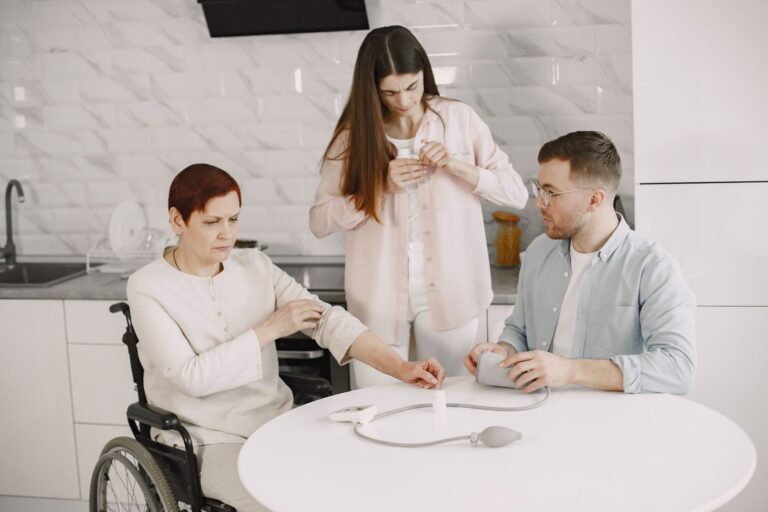
Home monitoring can show whether a treatment plan is reaching its goal, but technique matters. The American Heart Association recommends a validated automatic upper-arm cuff, the correct cuff size, five minutes of rest, and two readings one minute apart in its home blood pressure monitoring guidance.
Use a simple routine: A home record should support clinical care, not replace it. Do not use one reading to set a new target or change medication without discussing the result with your care team.
- Confirm that the monitor is validated and the cuff fits.
- Rest quietly for five minutes before measuring.
- Take two readings, one minute apart.
- Record both readings and share the pattern with your clinician.
Build a treatment plan you can follow
The AHA/ACC guideline strongly recommends weight management, a DASH-style diet, less sodium, physical activity, stress management, and reduced or no alcohol. These measures help prevent or treat hypertension, but none guarantees dementia prevention.
A practical plan may include: Medication is added according to blood pressure and cardiovascular risk. Lifestyle measures and medication can be parts of the same plan rather than competing approaches.
- Choosing DASH-style meals more often.
- Identifying realistic ways to reduce sodium.
- Making physical activity part of the week.
- Addressing weight and stress with sustainable changes.
- Reducing alcohol or avoiding it.
Who needs a more individualized approach?
After about seven years of follow-up, a 2025 Neurology report found no statistically significant reduction in probable dementia alone in SPRINT's intensive-target group. The combined risk of mild cognitive impairment or dementia was lower, so the findings suggest cognitive benefit while leaving the dementia-specific result uncertain. SPRINT did not include people with type 2 diabetes, prior stroke, advanced kidney disease, or symptomatic heart failure.
Its intervention also ended early, limiting how directly its findings apply to longer treatment or to people with those conditions. If any of those exclusions describes you, do not copy SPRINT's below-120 target. Ask your clinician to choose a goal using your full medical history, cardiovascular risk, and properly collected home readings.