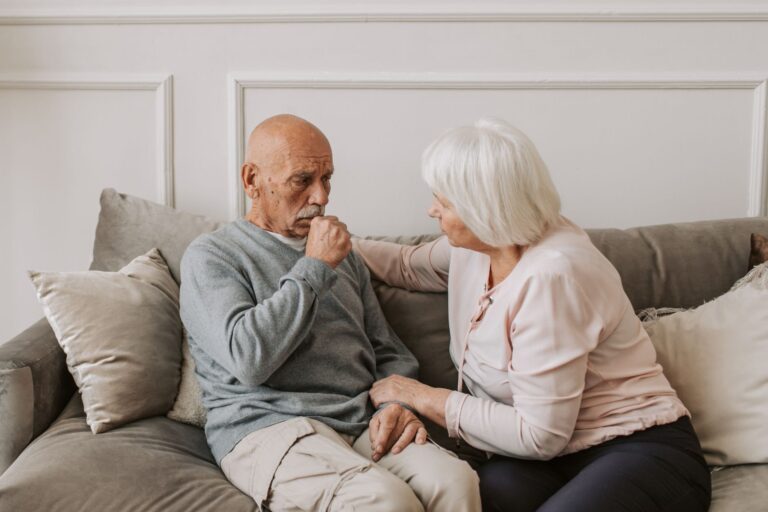
Yes, difficulty recognizing family could be an early sign of dementia in some cases. However, it is not considered a typical early sign of Alzheimer's disease, and the symptom alone cannot diagnose dementia. Face-recognition difficulty is called prosopagnosia, or "face blindness." A person may see facial features normally yet fail to recognize friends, relatives, or even their own reflection.
Medical information disclaimer: This article is for general educational purposes only and does not provide medical advice, diagnosis, or treatment. Always consult a physician or other qualified health professional about symptoms, medications, tests, or treatment decisions.
Table of Contents
- When does it occur in Alzheimer's disease?
- Could another dementia cause it earlier?
- What else can cause face-recognition problems?
- When should someone seek an assessment?
When does it occur in Alzheimer's disease?
The National Institute on Aging lists occasionally failing to recognize family and friends among moderate-stage Alzheimer's symptoms. That placement suggests familiar-face loss usually develops after earlier symptoms rather than serving as a standard early marker. A 2015 University of Liège study supports this distinction.
People with mild Alzheimer's retained recognition of themselves and familiar faces, while both abilities were affected in moderate Alzheimer's. This evidence does not rule out early face-recognition problems in every individual. It means the symptom, by itself, does not strongly point to early Alzheimer's.
Could another dementia cause it earlier?
Progressive difficulty recognizing familiar people can appear early in a rare condition called right-temporal variant frontotemporal dementia. This form affects brain functions involved in identifying people and may differ from the more familiar pattern of Alzheimer's. In research led by Amsterdam UMC, affected people could also develop episodic-memory problems and behavioral changes.
These included apathy, disinhibition, compulsive behavior, or loss of empathy. The pattern matters. A steadily worsening inability to identify people, combined with notable memory or personality changes, warrants clinical attention even when more common Alzheimer's symptoms are absent.
What else can cause face-recognition problems?
Prosopagnosia has several possible causes besides dementia. The NHS identifies developmental differences, stroke, head injury, encephalitis, and autism among the possibilities. Alzheimer's disease is another possible cause.
A Mayo Clinic series of 336 cases found both degenerative and non-degenerative causes of acquired prosopagnosia. Non-degenerative causes included infarcts, epilepsy-related disease, and brain tumors. Some people in that series improved or recovered after face-recognition loss associated with migraine, delirium, hypoxic encephalopathy, or ischemic infarcts. Because the study examined selected cases, its percentages cannot predict the cause in any one person.
When should someone seek an assessment?
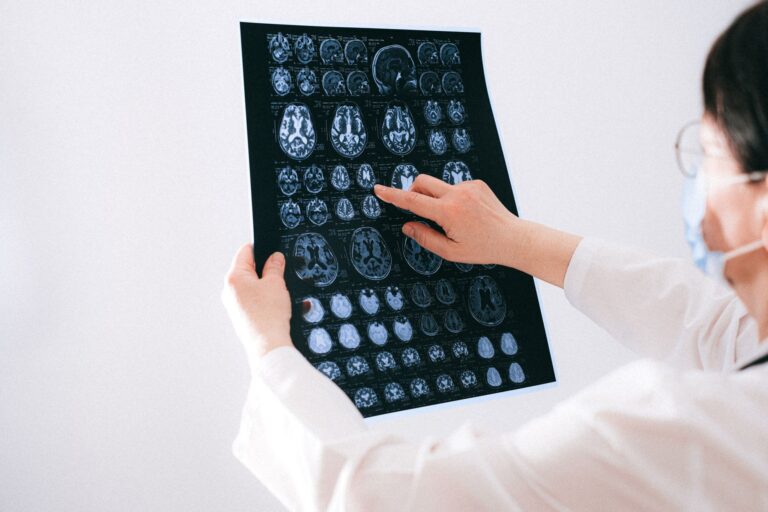
Arrange a clinical assessment when difficulty recognizing familiar people is new, worsening, or disrupting daily life. According to Mayo Clinic guidance, evaluation can help distinguish dementia from non-degenerative or potentially treatable causes.
Before the appointment, record details that show the clinician what is happening: Do not use one mistaken identity as proof of dementia. Seek assessment based on the pattern, progression, and effect on daily life.
- When the problem began and whether it appeared suddenly or gradually
- Whether the person recognizes someone after hearing their voice or learning the context
- How often mistakes occur and whether they are becoming more frequent
- Any accompanying memory, empathy, motivation, inhibition, or compulsive-behavior changes
- Any recent migraine, delirium, stroke, head injury, or other relevant medical event