Reviewed by the Help Dementia Editorial Team — our editors review every article for accuracy against guidance from the National Institute on Aging, the Alzheimer’s Association, and peer-reviewed sources.
Brain better sits at the center of this dementia and brain health question.
Beets may support brain health, but the evidence for them being superior to supplements remains unproven and overstated. While beetroot contains compounds with genuine potential for neuroprotection—including inorganic nitrate, betalains, and polyphenols that work through antioxidant and anti-inflammatory pathways—the research to date shows modest, inconsistent benefits rather than a clear advantage over other interventions. A 2025 systematic review found the evidence for cognitive benefits to be “limited and inconsistent,” a sobering assessment that should temper the growing enthusiasm around beetroot juice as a brain-health solution.
What beets do offer is real biological activity. A study of older adults found that 16 ounces of beetroot juice acutely increased blood flow to specific areas of the frontal white matter, the brain tissue involved in processing speed and decision-making. Another trial using chewable beetroot-based supplements showed improvements in memory capacity and frontal skills in healthy adults. Yet these findings, while encouraging, come with critical caveats: we don’t know if these effects last beyond a single dose, and we have no research testing beetroot’s impact on people with Alzheimer’s disease or other dementias.
Table of Contents
- WHAT COMPOUNDS IN BEETS SUPPORT BRAIN PROTECTION?
- HOW BEETS INFLUENCE BLOOD FLOW TO THE AGING BRAIN
- THE ACUTE COGNITIVE BOOST: MEMORY AND FRONTAL FUNCTION
- CAN BEETS ACTUALLY OUTPERFORM SUPPLEMENTS?
- THE RESEARCH REALITY: LIMITED EVIDENCE AND CRITICAL UNKNOWNS
- WHO MIGHT BENEFIT MOST FROM BEETROOT?
- THE PATH FORWARD: WHAT ALZHEIMER’S RESEARCH NEEDS TO ANSWER
- Conclusion
WHAT COMPOUNDS IN BEETS SUPPORT BRAIN PROTECTION?
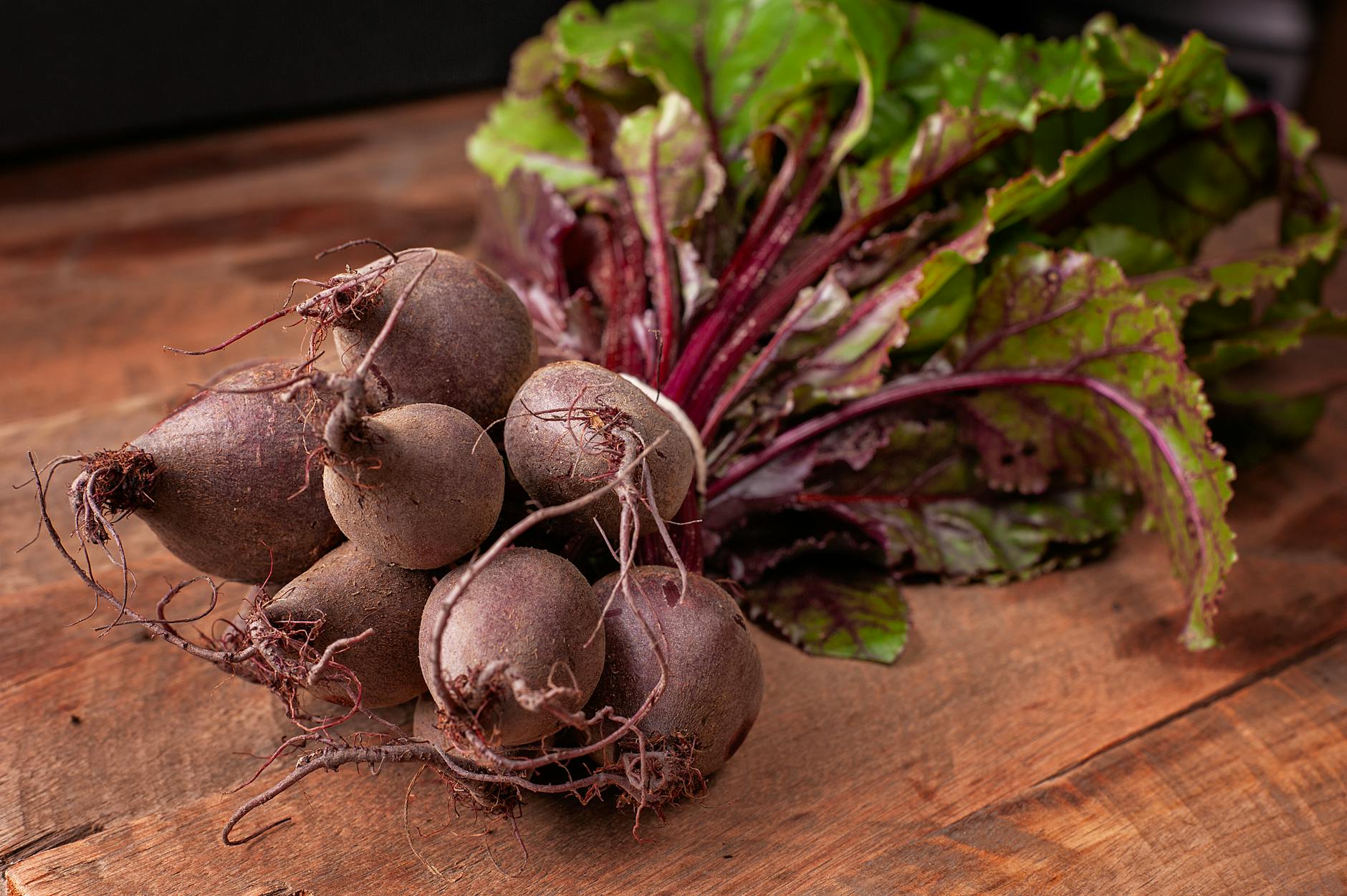
Beetroot’s potential for brain health rests on several active compounds working in concert. The most studied is inorganic nitrate, which your body converts to nitric oxide—a molecule that relaxes blood vessel walls and improves blood flow. Beetroot also contains betalains, a class of pigments responsible for the vegetable’s deep red color, along with polyphenols and carotenoids that combat oxidative stress at the cellular level. These compounds don’t work in isolation; rather, they create a synergistic effect that theoretically slows neuroinflammation and preserves the integrity of blood vessels that supply the brain.
The appeal of beetroot as a brain health food lies partly in its concentration of these compounds compared to other vegetables. A cup of cooked beets delivers more polyphenols than a cup of cooked broccoli or spinach, for instance. But quantity of compounds doesn’t always translate to clinical benefit. Your body must first absorb these nutrients, convert them into usable forms, and deliver them to the right location in the brain. This is where the research gets murky: we understand the mechanism in theory, but the human studies haven’t definitively proven that eating or drinking beetroot achieves meaningful neuroprotection in aging brains.
HOW BEETS INFLUENCE BLOOD FLOW TO THE AGING BRAIN
The most concrete evidence for beetroot’s brain effects comes from studies measuring cerebral blood flow. When 16 ounces of beetroot juice was given to older adults in a controlled study, researchers observed increased regional perfusion—essentially better blood delivery—to the frontal white matter. This is significant because aging brains often suffer from reduced blood flow, which contributes to cognitive decline, and even modest improvements in perfusion could theoretically help preserve function. Higher intakes of plant-derived nitrates have also been associated with reduced cognitive decline in epidemiological studies, meaning that people who eat more nitrate-rich foods tend to show slower mental decline over time.
But here’s the limitation: most blood flow studies measure acute, temporary changes. The 16-ounce beetroot juice study showed that beets *can* improve blood flow in the short term, not necessarily that regular consumption maintains this benefit. We don’t know if drinking beetroot juice daily for six months continues to improve brain perfusion, or whether your body adapts and the effect fades. Additionally, these studies typically enroll relatively young, healthy older adults—people in their 60s and 70s without existing cognitive impairment. Whether the same benefits apply to people with mild cognitive impairment or Alzheimer’s disease remains unknown.
THE ACUTE COGNITIVE BOOST: MEMORY AND FRONTAL FUNCTION
A double-blind randomized placebo-controlled trial—the gold standard for clinical evidence—found that chewable beetroot-based supplements improved both memory capacity and frontal skills in healthy adults. This was not a minor statistical blip; participants taking the supplement showed measurable gains in how much information they could recall and how quickly they could process complex tasks. The study’s design, with both participants and researchers unaware of who received the real supplement, strengthens confidence in the finding. It suggests that beetroot’s bioactive compounds can have a detectable impact on cognition within hours or days. Yet caution is warranted.
The study looked at acute effects—improvements measured after a single dose or short-term use—not lasting changes. We lack long-term trials following people who take beetroot supplements for months or years to see if cognitive gains persist or fade. Additionally, the study enrolled healthy adults, not people experiencing cognitive decline or diagnosed dementia. A 60-year-old with normal memory may respond very differently to beetroot than an 80-year-old with early Alzheimer’s disease. The fact that no research has directly tested beetroot in Alzheimer’s populations is a critical gap that marketers often gloss over.

CAN BEETS ACTUALLY OUTPERFORM SUPPLEMENTS?
The title’s claim that beets protect the brain “better than supplements” assumes a direct comparison—but such evidence doesn’t exist. No clinical trial has enrolled participants, given some of them beetroot and others a standard cognitive supplement like B vitamins or ginkgo biloba, and measured which group fared better. Without this direct comparison, any claim of superiority is speculation, even if well-intentioned. What we can say is that beets offer a different approach to brain health than a typical pill.
Whole beets come with fiber, minerals, and other phytonutrients alongside the nitrates and polyphenols, creating a package that a supplement cannot fully replicate. A chewable beetroot supplement captures some compounds but loses the fiber and broader nutrient profile. From a biological standpoint, the combination of compounds in whole beetroot likely offers benefits that a single-ingredient supplement cannot match. However, a multi-nutrient supplement—one containing nitrates, polyphenols, vitamins, and minerals—might offer comparable or even greater brain protection than beetroot alone. The research simply hasn’t tested this head-to-head.
THE RESEARCH REALITY: LIMITED EVIDENCE AND CRITICAL UNKNOWNS
The most honest assessment comes from recent systematic reviews, which synthesize all available studies on a topic. A 2025 systematic review concluded that evidence for beetroot’s cognitive benefits is “limited and inconsistent.” This means that while some studies show positive results, others show minimal or no effect, and the overall body of evidence isn’t strong enough to justify sweeping health claims. Some of this inconsistency reflects real differences in study design: different doses of beetroot juice, different study populations, different cognitive tests, and different follow-up periods all produce different results. A more fundamental concern is long-term safety.
Beetroot consumption has been studied in short-term trials spanning weeks or months, but the long-term effects of sustained nitrate exposure from regular beetroot intake remain “insufficiently characterized,” according to research reviews. This doesn’t mean beets are unsafe; it means we haven’t conducted the decades-long studies needed to rule out rare side effects. For people taking certain medications like blood thinners or those with specific health conditions, beetroot can interact negatively, yet these concerns receive little attention in popular coverage. Before making beets a cornerstone of your brain health strategy, especially if you have existing health conditions, consulting with a healthcare provider makes sense.

WHO MIGHT BENEFIT MOST FROM BEETROOT?
The strongest case for beetroot consumption applies to older adults with declining vascular function—people whose brain blood flow is slowing due to aging or cardiovascular disease. For this population, anything that safely improves nitric oxide production and blood vessel function could offer tangible cognitive benefits. A 70-year-old with hypertension and early memory loss might experience more benefit from regular beetroot juice than a 55-year-old with normal blood pressure and no cognitive concerns. The research on blood flow improvements in older adult brains specifically supports this thinking.
Healthy, younger adults likely experience less measurable benefit, though the acute improvements in memory and processing speed found in the chewable supplement trial suggest that even cognitively normal people might notice temporary boosts. The honest takeaway: beets appear most promising as a dietary addition for older people with vascular risk factors or early cognitive changes, rather than as a universal brain supplement for all ages. If you’re that 70-year-old, adding 8 to 16 ounces of beetroot juice to your routine probably costs little and has a reasonable chance of supporting your brain’s blood supply. If you’re younger and cognitively intact, beets remain a healthy food but not a research-backed brain intervention.
THE PATH FORWARD: WHAT ALZHEIMER’S RESEARCH NEEDS TO ANSWER
The critical gap in the literature is obvious: no studies have tested beetroot in people with Alzheimer’s disease or other dementias. This is a major limitation because the mechanisms driving cognitive decline in dementia may not respond the same way to improved blood flow as aging alone does. A person with Alzheimer’s disease has not only vascular changes but also beta-amyloid plaques, tau tangles, and neuroinflammation that blood flow improvement alone won’t resolve.
Future research will need to answer whether beetroot, or the nitrates within it, can slow or delay cognitive decline in actual dementia populations. Additionally, longer-term studies are needed to determine whether acute cognitive benefits from beetroot translate into sustained improvements. A cognitive boost that lasts one hour or one day has value, but lasting protection against decline would have far greater impact. If researchers can design multi-year trials in aging populations with cognitive risk factors, we’ll have much clearer answers about beetroot’s true role in brain health.
Conclusion
Beets contain genuine bioactive compounds with plausible mechanisms for supporting brain health, and some research shows acute improvements in memory and blood flow to the aging brain. However, the evidence remains inconsistent, long-term effects are unknown, and direct comparisons with supplements don’t exist. Claiming that beets protect the brain “better than supplements” oversells the current research and sets unrealistic expectations. A more accurate summary is that beetroot shows promise for supporting vascular function in aging brains, particularly in older adults with cardiovascular risk factors, but falls short of being a proven dementia preventive.
If you’re interested in including beets in a brain health strategy, the practical approach is to treat them as one component of a broader regimen: regular physical activity, cognitive engagement, quality sleep, and a nutrient-dense diet that includes multiple vegetables and fruits. Whole beetroot and beet juice are nutritious additions to that diet, backed by at least some evidence of benefit and centuries of safe use. But don’t bet your brain’s future on beets alone, and don’t let marketing claims about superiority over supplements mislead you. The science is still unfolding, and honest acknowledgment of what we don’t yet know is the best guide for making health decisions.
You Might Also Like
- wild blueberries May Protect Your Brain Better Than Supplements
- walnuts May Protect Your Brain Better Than Supplements
- turmeric May Protect Your Brain Better Than Supplements
For more, see Alzheimer’s Association — medical tests.