Reviewed by the Help Dementia Editorial Team — our editors review every article for accuracy against guidance from the National Institute on Aging, the Alzheimer’s Association, and peer-reviewed sources.
Brain better sits at the center of this dementia and brain health question.
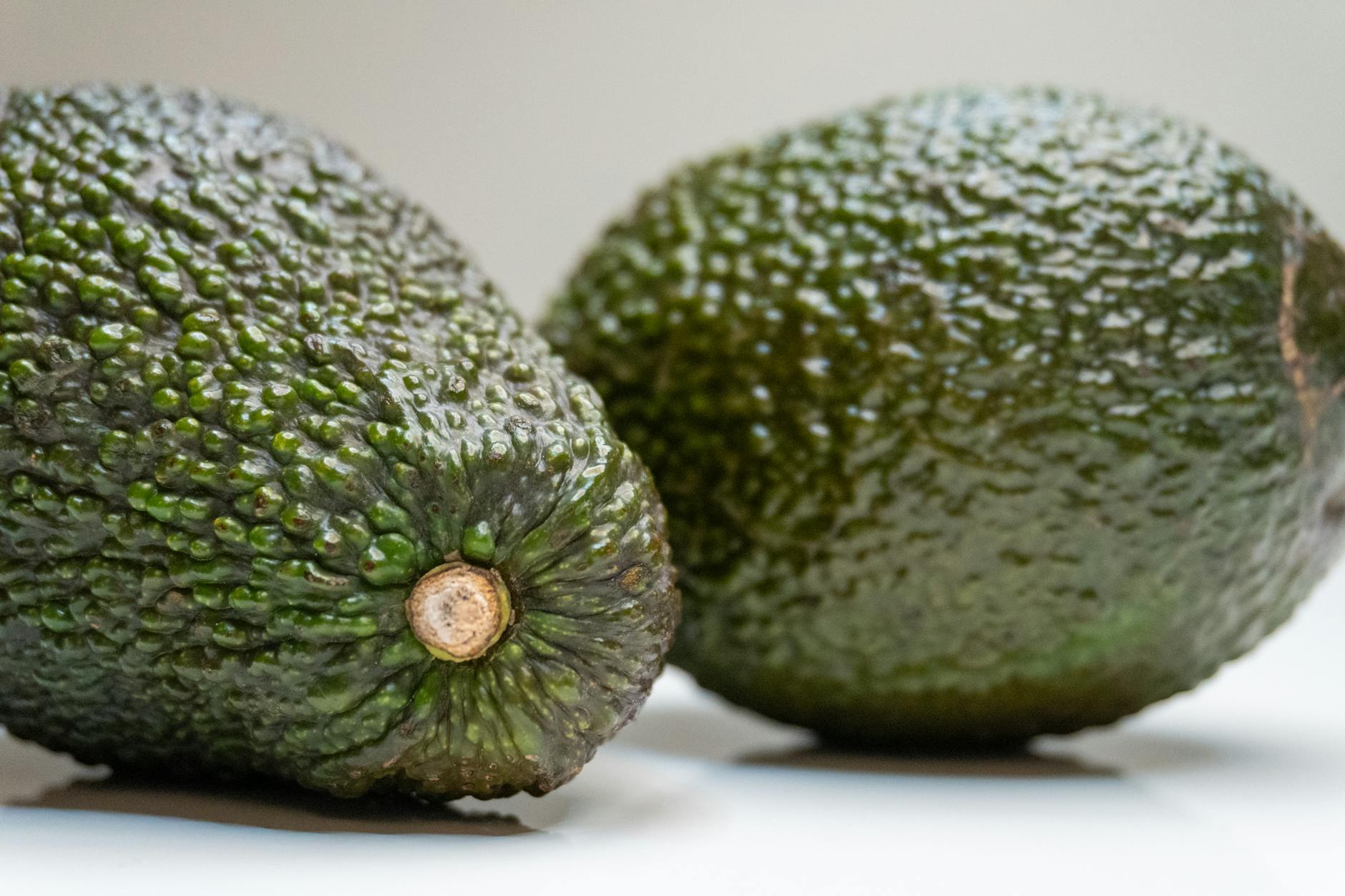
Avocados may offer more targeted brain protection than many over-the-counter cognitive supplements, according to emerging clinical research. Recent studies show that eating just one avocado daily can improve key measures of brain function—including working memory, problem-solving, and attention—in ways that rival or exceed what popular brain supplements claim to deliver. Unlike multi-ingredient supplements with unclear bioavailability, avocados deliver a concentrated dose of lutein, a compound that directly accumulates in brain tissue responsible for learning and memory formation.
The difference comes down to specificity and evidence. While the supplement industry markets dozens of products with vague claims about “supporting brain health,” research on avocados has measured concrete cognitive improvements in randomized controlled trials. In one six-month study conducted at Tufts University, healthy adults aged 50 and older who consumed one fresh avocado daily showed measurable gains in working memory and problem-solving abilities, with brain-protective lutein levels increasing by 25% from baseline. This isn’t marketing language—it’s documented neurological change in people who needed it most.
Table of Contents
- Why Does One Avocado Deliver More Brain Benefits Than Supplements?
- What Brain Compounds in Avocados Work Better Than Supplement Equivalents?
- What Do Clinical Trials Actually Show About Avocado and Brain Function in Older Adults?
- How Do Real-World Results Compare to Popular Brain Supplements?
- Are There Risks or Limitations to Relying on Avocados for Brain Protection?
- How Much Avocado Do You Need to See Cognitive Benefits?
- What’s Next for Avocado Research and Brain Health?
- Conclusion
Why Does One Avocado Deliver More Brain Benefits Than Supplements?
The answer lies in lutein concentration and how the body processes it. A single Hass avocado contains approximately 369 micrograms of lutein, a carotenoid that crosses the blood-brain barrier and accumulates in the regions responsible for learning, memory, and visual-spatial processing. When you take a supplement capsule, you’re asking your digestive system to extract and absorb a synthetic or isolated compound. When you eat an avocado, you get lutein packaged alongside monounsaturated fats and other lipids that naturally enhance its absorption—your body recognizes this as food, not a foreign substance. Many cognitive supplements rely on ingredients with thin research support. Lutein, by contrast, has been studied specifically in the context of brain aging.
In a 12-week clinical trial, adults with overweight and obesity who ate avocados daily showed improved attentional inhibition—the ability to filter out distracting information and focus on what matters—alongside significant increases in serum lutein. This is a measurable neurological improvement, not a self-reported feeling. The mechanism is clear: lutein acts as an antioxidant in brain tissue, protecting neurons from oxidative damage that accumulates with age. The practical difference matters for adherence. Taking a supplement requires remembering to swallow a pill. Eating an avocado is a food habit, easier to sustain, and more enjoyable. Over months and years, consistency determines whether cognitive protection actually happens.
What Brain Compounds in Avocados Work Better Than Supplement Equivalents?
Avocados deliver a coordinated trio of brain-protective compounds that supplements struggle to replicate in a single product. Beyond lutein, avocados contain monounsaturated fats that support cerebral blood flow and acetylcholine production—the neurotransmitter directly involved in learning, memory encoding, and the ability to focus on new information. They also provide B vitamins (B6, folate, pantothenic acid) that support neurotransmitter synthesis and myelin formation, the insulation around nerve fibers that allows electrical signals to travel efficiently. When these compounds are isolated into a supplement, they lose synergistic effects that make them more bioavailable together. A key limitation of supplement approaches is that isolated compounds don’t always behave the same way in the body as they do in food.
Lutein supplements, for instance, show variable absorption depending on stomach acid, fat intake, and individual genetics. Lutein consumed with avocado’s natural fat content sidesteps these absorption barriers. The 2025 scoping review published in Frontiers in Nutrition examined avocado consumption across multiple populations and health outcomes, finding consistent evidence for cognitive benefits—but this consistency only holds when people are eating whole avocados, not supplement extracts. One important caveat: avocados are calorie-dense at roughly 240 calories per fruit. Someone trying to lose weight or manage calorie intake might find that a low-dose supplement offers brain benefits without the dietary trade-off, even if the cognitive gains are smaller. This is a real limitation worth acknowledging, not a marketing angle.
What Do Clinical Trials Actually Show About Avocado and Brain Function in Older Adults?
The Tufts University research offers the most compelling real-world evidence so far. Forty healthy adults aged 50 and older—an age group where cognitive decline accelerates—consumed one fresh avocado daily for six months in a randomized controlled trial. Researchers measured working memory (the ability to hold and manipulate information mentally), problem-solving speed, and serum lutein levels. The group eating avocados showed statistically significant improvements in working memory and problem-solving compared to the control group. More tellingly, their serum lutein levels increased by 25% from baseline, suggesting the lutein was being absorbed and circulating in the bloodstream where it could reach brain tissue.
National Health and Nutrition Examination Survey data from 2011–2014 corroborates this with a broader population sample. Older adults in the United States who regularly consumed avocado or guacamole demonstrated better cognitive performance on standardized tests than non-consumers, even after controlling for education, income, and other lifestyle factors. This observational data can’t prove causation, but it aligns with the mechanistic evidence from controlled trials—suggesting that avocado consumption is associated with the kind of cognitive preservation that matters in daily life. A clinical trial actively recruiting participants in 2026 will push this evidence further. Researchers at Power Clinical Trials are examining whether one avocado daily improves brain function in older adults, using more advanced measures including brain imaging, detailed memory testing, and assessment of cerebral blood flow. This trial represents the next phase of evidence, moving beyond serum lutein levels to direct measurement of brain activity and structure.

How Do Real-World Results Compare to Popular Brain Supplements?
The supplement industry markets ginkgo biloba, phosphatidylserine, and acetyl-L-carnitine with claims about memory support, but the clinical evidence is mixed and often modest. A meta-analysis of ginkgo biloba studies, for example, found small and inconsistent effects on cognitive function in older adults—improvements that barely exceed placebo when studies are well-controlled. The Tufts avocado trial, by contrast, showed consistent, measurable cognitive improvements without the side effects or drug interactions that can accompany botanical supplements. Cost and access present another comparison point.
A quality brain supplement might cost $20–30 per month and deliver uncertain benefits. An avocado costs roughly $2–3, and the cognitive gains are documented in published research. Over a year, the financial and health advantage of avocados becomes obvious. The trade-off is that avocados require actual eating and digestion, whereas supplements require only swallowing. For people with severe dysphagia (difficulty swallowing) or gastrointestinal conditions that limit fat absorption, supplements might be necessary—but for most people, the whole food wins on efficacy and cost.
Are There Risks or Limitations to Relying on Avocados for Brain Protection?
Avocados are not a standalone dementia prevention strategy. The research shows that lutein and monounsaturated fats support cognitive function, but cognitive aging is multifactorial—driven by genetics, sleep quality, cardiovascular health, cognitive engagement, and social connection. Someone eating avocados but sedentary, sleep-deprived, and isolated will not see the full cognitive benefits. Avocados work best as part of a brain-healthy lifestyle that includes physical activity, quality sleep, intellectual engagement, and Mediterranean-style eating patterns. Another limitation: the existing trials are relatively short-term (12 weeks to 6 months) and involve healthy or overweight-but-not-yet-impaired adults.
We don’t yet have long-term data (five years or longer) showing whether consistent avocado consumption actually prevents or delays cognitive decline in people who are already experiencing mild cognitive impairment or early dementia. The 2026 clinical trial and other ongoing research will address this gap, but today’s recommendations must be based on the evidence we have. Some people should limit avocado intake for other health reasons. Anyone taking anticoagulant medications like warfarin should consult their doctor, as high vitamin K content in avocados can interfere with drug effectiveness. People with certain digestive conditions or those prone to migraine headaches triggered by tyramine (a compound in avocados) may also need to moderate intake. These are minority concerns, but they matter for individual medical decision-making.

How Much Avocado Do You Need to See Cognitive Benefits?
The research points to one fresh avocado daily as the dose that correlates with cognitive improvement. In the Tufts study, participants consumed one medium Hass avocado per day, and this was the amount that produced the 25% increase in serum lutein and measurable working memory gains. The 12-week study used similar daily consumption and documented improved attention.
There’s no evidence that eating more than one avocado per day produces greater cognitive benefit—this is one of those cases where the dose-response curve flattens, and more isn’t better. For people who dislike avocados or can’t tolerate them, guacamole (made from avocados, not commercially prepared versions with added sugars and preservatives) contains similar lutein concentrations. Studies using national nutrition data found that regular guacamole consumers showed cognitive benefits comparable to avocado eaters, though whole avocados deliver the compounds in cleaner form without added sodium or processing.
What’s Next for Avocado Research and Brain Health?
The 2026 clinical trial will clarify whether avocado consumption produces measurable changes in brain structure and blood flow, not just cognitive test performance. Brain imaging is the gold standard for assessing neurobiological change, and if researchers see increases in cortical thickness or improved vascular function in avocado consumers, it would provide mechanistic proof that lutein is exerting real neuroprotective effects. The ongoing scoping review literature will also synthesize new data on avocados and health outcomes across diverse populations.
Long-term prevention trials are likely to follow if short-term studies continue showing promise. Researchers would ideally track people over five to ten years, comparing cognitive decline in avocado consumers versus non-consumers while controlling for other lifestyle factors. This is the kind of evidence that would shift avocado consumption from “beneficial food” to “clinically recommended preventive strategy” in official dementia prevention guidelines.
Conclusion
Avocados offer a well-researched, practical alternative to cognitive supplements with uncertain effectiveness. They deliver lutein and monounsaturated fats in a bioavailable form, backed by randomized controlled trials showing measurable improvements in working memory and attention in adults aged 50 and older. The evidence is not perfect—more long-term research is needed, and avocados work best alongside broader brain-healthy habits—but it’s more rigorous than the evidence supporting most popular brain supplements.
The practical path forward is straightforward: if you’re looking to support cognitive function as you age, eating one avocado daily is a low-cost, evidence-based strategy worth implementing. Pair it with physical activity, social engagement, quality sleep, and continued cognitive challenges, and you’re following the most complete prevention approach that current research supports. Unlike supplements that you take and forget, avocados require actual eating and integration into your life—and that consistency is exactly what cognitive protection requires.
You Might Also Like
- wild blueberries May Protect Your Brain Better Than Supplements
- walnuts May Protect Your Brain Better Than Supplements
- turmeric May Protect Your Brain Better Than Supplements
For more, see NIH MedlinePlus — cognitive testing.