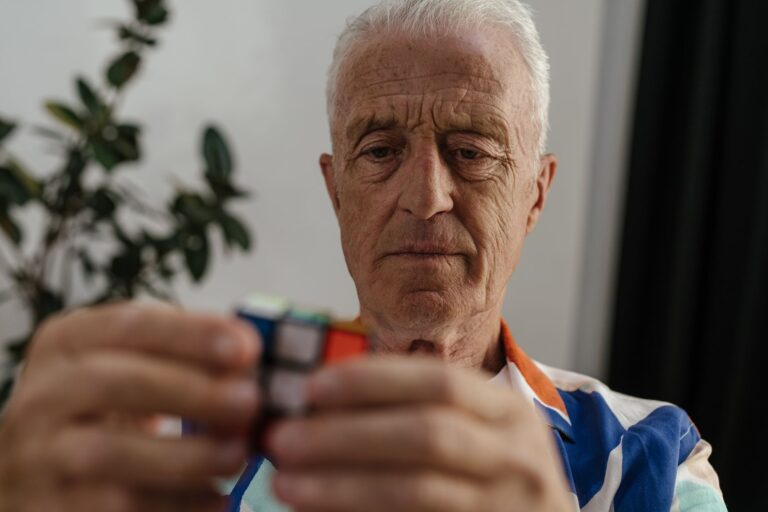
Balancing safety and relief at end of life means accepting that the two often conflict—and that providing comfort sometimes requires accepting risks that a healthier person might refuse. For someone in advanced dementia, a fall prevention protocol that keeps them bedridden creates a different kind of harm: loss of dignity, muscle atrophy, depression, and accelerated decline. The question is not whether to prioritize one over the other absolutely, but when and how to shift the scale as a person’s condition changes and their remaining time narrows.
This balance looks different for each person because it depends on what they valued before they lost the ability to communicate, what their illness trajectory looks like, and what their family can actually sustain. A person with advanced dementia who still eats, still shows signs of enjoyment, and might live months or years faces different tradeoffs than someone in the final days, barely swallowing, with no signs of awareness. Understanding how to navigate these shifts—and giving yourself permission to make different choices at different stages—is essential to avoiding both unnecessary suffering and regrettable decisions made in crisis.
Table of Contents
- When Does Safety and Comfort Actually Conflict?
- The Risks of Choosing Comfort Over Safety
- Advance Directives, Values, and What They Actually Say
- Building a Care Plan That Shifts with Illness Stages
- Guilt, Pressure, and the Weight of Proxy Decisions
- When Safety Means Accepting Decline and Death
- The Role of Palliative Care and Specialized Support
- Frequently Asked Questions
When Does Safety and Comfort Actually Conflict?
In early-stage dementia, safety and comfort often align: a locked door keeps someone from wandering into traffic, a fall-prevention protocol preserves independence and dignity, a medication regimen keeps them functioning. But in moderate to advanced stages, they diverge sharply. A feeding tube prevents aspiration pneumonia (a safety measure) but removes the comfort and social connection of eating by mouth; it also extends life in a state of profound decline that the person may not have wanted. A restraint keeps someone from pulling out a catheter, but it increases agitation, causes skin damage, and violates bodily autonomy in ways that feel cruel even when medically rational.
The conflict is real because safety interventions are often designed for a person who could recover or maintain function. When recovery is not possible—when the goal shifts from cure to comfort—many of those interventions create suffering instead of preventing it. An eighty-seven-year-old with end-stage dementia who hasn’t recognized her daughter in two years is unlikely to benefit from aggressive infection treatment, cardiac monitoring, or tube feeding. The interventions extend a dying process rather than extend a life the person values. This realization, which families often reach in the ICU at 2 a.m., is painful precisely because it means accepting that safety and protection don’t mean the same thing anymore.
The Risks of Choosing Comfort Over Safety
When you shift toward comfort as the primary goal, you are making a deliberate choice to accept medical risks that you would normally prevent. Discontinuing a blood pressure medication means accepting a higher stroke risk. Stopping physical therapy means accepting faster decline and higher fall risk. Removing restrictions means accepting the possibility of self-injury or wandering. These are not failures or negligence—they are informed choices based on the person’s values and stage of illness.
But they are real risks, and it is important to be honest about them. The limitation here is that once you make these choices, you cannot always undo them. A person with advanced dementia cannot tell you they’ve changed their mind. If you discontinue seizure medication to reduce drug burden and side effects, and they have a seizure, you cannot retroactively add the medication back without causing additional harm. If you keep them at home to avoid the institutionalization they feared, but their care needs escalate beyond what family can manage, the transition to a facility becomes more traumatic and chaotic than it would have been planned. This is why these decisions should be made thoughtfully, based on the person’s documented wishes and in conversation with their medical team—not impulsively or in guilt.
Advance Directives, Values, and What They Actually Say
An advance directive or POLST (Physician Orders for Life-Sustaining Treatment) form is meant to guide these decisions, but the language is often vague and open to interpretation. A person who checked “comfort care” may not have understood that this typically means refusing antibiotics even if they develop a urinary tract infection. Someone who wanted a feeding tube if they couldn’t swallow may not have anticipated the prolonged state of minimal consciousness in which they would actually need it, or realized that many feeding tubes are placed after the person has already lost decision-making capacity and cannot refuse. For this reason, what matters most is not the form itself but the conversations you had with the person when they could still express nuance.
Did they say, “I never want to be a vegetable”? What did they mean by that? Could they tolerate months of moderate decline, or only a few days? Would they want to be kept alive if they couldn’t recognize family? Did they mention specific fears—pain, choking, being trapped—that should shape your approach? If the person never had these conversations, their values become a matter of educated guessing, which is why asking a palliative care doctor, social worker, or ethics committee for guidance is not overreach; it is necessary. An example: A seventy-nine-year-old man said years earlier that he “didn’t want to linger,” which his family interpreted as meaning no feeding tube. But his wife, with a palliative care specialist’s help, realized he meant he didn’t want to linger with pain or in institutional care—not that he wanted to be denied nutrition if he was comfortable and at home. They kept him at home, resumed oral intake when possible, and offered supplemental nutrition when he wanted it, without fighting nature when his appetite declined at the very end.
Building a Care Plan That Shifts with Illness Stages
A sustainable approach is to create a tiered care plan with different priorities at different stages, rather than making a single all-or-nothing choice. In early dementia, the priority might be safety and maintaining function: fall prevention, medication adherence, engagement, driving safety. As the person moves into moderate stages, the priority might shift to comfort and quality of remaining engagement: reducing unnecessary medications, prioritizing activities they enjoy over strict medical protocols, allowing more flexibility in eating and drinking even if it carries slight aspiration risk.
By the time advanced dementia or terminal illness is clear, the priority becomes almost entirely comfort: pain control, dignified care, reduced medical interventions, and managing symptoms rather than chasing diagnoses. This staged approach gives you permission to make different decisions at different times without feeling like you are abandoning the person or reversing your values. What it requires is regular conversations with the care team—quarterly reviews rather than a single decision made years in advance—and family agreement on what “quality of life” means at each stage. A warning here: families often disagree on these priorities, and unless conflict is addressed early, it erupts in the ICU when a crisis forces an immediate decision with no time for discussion.
Guilt, Pressure, and the Weight of Proxy Decisions
Families carrying out someone else’s wishes carry a specific kind of guilt. Even when you are confident you are making the right choice for the person, there is often a voice that says, “Am I letting them die too early? Am I giving up?” This guilt is intensified by medical uncertainty (no one can tell you exactly how much longer the person will live), by social pressure (from other family members who wanted different choices, from doctors who may not support comfort-focused care, from a culture that treats death as a failure), and by the exhaustion of long-term caregiving. One reality that can ease some of this weight is understanding that comfort-focused care is not passive. Keeping someone pain-free, managing symptoms like shortness of breath, preventing infections through good hygiene, providing skin care, ensuring they are not cold or afraid—these are active medical interventions. They require skilled nursing, attention, and family presence.
They are not the same as “doing nothing,” and reframing them this way can help families feel they are still protecting the person, just in different ways. A specific example: A woman with late-stage Alzheimer’s had a urinary tract infection. Instead of antibiotics, her team treated her with comfort measures: extra fluids by mouth when she would take them, careful perineal care, pain management for any discomfort, reassurance. She recovered without antibiotics. If she had not recovered—if she had become septic—then antibiotics would have been reconsidered. But by starting with comfort, her family avoided unnecessary medication burden and drug side effects, and they gave themselves a chance to see whether her body could handle the illness on its own.
When Safety Means Accepting Decline and Death
One of the hardest safety decisions is choosing not to prevent death. If a person with advanced dementia develops an infection, pneumonia, or a blood clot, the “safe” and standard medical approach is to treat it with antibiotics, oxygen, or blood thinners. But in the context of end-stage illness, this “safety” can mean extending a dying process, causing delirium and additional suffering, and postponing inevitable death by days or weeks in an ICU. Choosing not to pursue these treatments is sometimes safer—in the sense of preventing harm—than choosing them. This is not euthanasia or hastening death; it is allowing natural death to proceed without medical intervention that would only prolong suffering.
The distinction matters legally and ethically. An example: An eighty-three-year-old man with late-stage dementia developed pneumonia. His wife and daughters, supported by his written wishes and his doctor’s assessment that recovery was unlikely, decided against antibiotics and hospitalization. They brought in a hospice team, kept him comfortable at home, and were present when he died five days later. The family later said that this choice honored both his wishes and their relationship with him more than hospitalization and ventilator dependence would have. It required accepting that they could not save him, which is a form of safety—the safety of facing reality rather than fighting it.
The Role of Palliative Care and Specialized Support
Palliative care is not the same as hospice, and both are different from comfort-focused care, though the terms are sometimes used loosely. Palliative care is specialized medical care focused on comfort and quality of life, delivered by a team (doctors, nurses, social workers, chaplains) and can be given alongside curative treatment at any stage of serious illness. Hospice is a specific type of palliative care, usually delivered at the end of life when curative treatment has been stopped, and often delivered in the home or a specialized facility. All three approaches prioritize relief from suffering, but they operate on different timelines and with different expectations about whether the underlying disease will be treated.
Having access to palliative care specialists, even early in dementia, can help families make clearer decisions about the goals of care and reduce the emotional and medical burden of managing symptoms alone. These specialists have seen the outcomes of different choices and can offer concrete information about what different conditions typically look like in advanced dementia: how fast they progress, whether people typically suffer, what interventions help and which create more problems. They can also advocate within the healthcare system for comfort-focused approaches when the default assumption is always to treat and intervene. Many families wait until hospice is recommended—sometimes too late for good preparation—when earlier palliative care involvement would have reduced crisis and confusion.
- —
Frequently Asked Questions
If I choose comfort care instead of aggressive treatment, am I responsible if my loved one dies?
No. In advanced illness, the person is dying regardless of the treatment choice. You are not causing the death; you are choosing how they experience it. The responsibility lies in making choices aligned with what the person wanted and what their condition realistically allows. If you have followed their wishes, consulted their medical team, and documented your decision-making, you have met your ethical obligation.
What if I’m not sure what my loved one would have wanted?
Talk with the people who knew them best, ask their doctor what outcomes are realistic, and consider what they feared most (pain, being trapped, losing dignity, institutional care). Look for themes in how they lived, not just explicit statements about death. A person who valued independence above all might have a different view of quality of life than someone for whom family connection mattered most. A ethics committee or palliative care specialist can help interpret ambiguous or absent wishes.
Can I change my mind once I’ve chosen comfort care?
Yes, in many cases. If someone’s condition stabilizes or improves unexpectedly, or if the person’s wishes become clearer, goals can be revised. However, some decisions are harder to reverse—a discontinued medication that prevents seizures, a feeding tube that was never placed, or withdrawal of life support. This is why ongoing conversation with the medical team is important, not a one-time decision.
How do I know if pain management at end of life will hasten death?
High-dose opioids used for pain and breathlessness at the very end of life can contribute to a person’s death in some cases, though the primary cause is the underlying illness. This is called “double effect”—the intent is to relieve suffering, and the possible side effect of hastening death is accepted but not intended. Palliative care specialists are trained to manage this balance. The alternative—withholding pain medication to prolong life—typically increases suffering without significantly extending it.
Should feeding tubes be avoided in advanced dementia?
It depends on the person’s values and stage of illness. Feeding tubes can be appropriate in some situations (temporary support during recovery, or if the person explicitly wanted one). In advanced dementia, they often don’t improve outcomes, increase restraint and agitation, and can cause complications. The key is whether the tube is serving the person’s goals and values, not whether it’s medically possible to place one. —