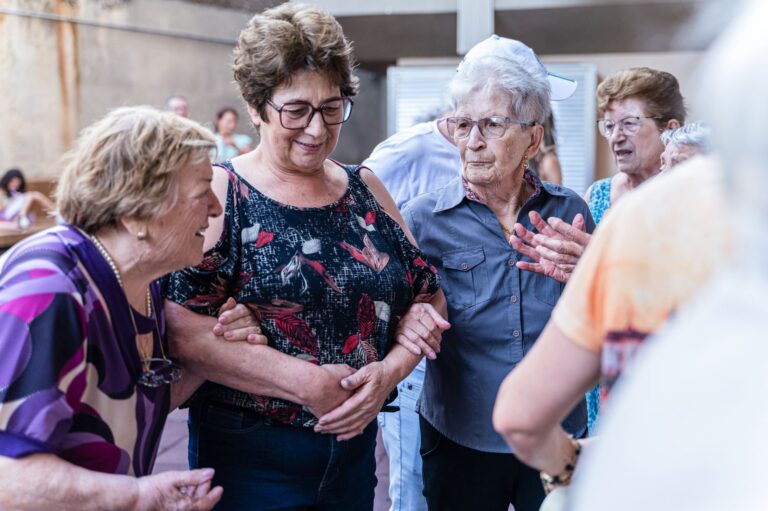
Building a support network for the long haul means creating a reliable, rotating system of people and resources that can sustain caregiving without burning out any single person. A dementia diagnosis doesn’t arrive with an expiration date—the disease typically progresses over years or even decades—so a sustainable support structure requires distributing the physical, emotional, and financial burden across multiple people and institutions rather than placing it all on one primary caregiver. This is fundamentally different from short-term caregiving after surgery or illness; dementia requires that your network not only exist but evolve and adapt as needs change. Consider Sarah, whose mother received a dementia diagnosis at 68.
Sarah initially tried to manage her mother’s care alone while working full-time, believing she should handle everything herself. By year two, Sarah was running on four hours of sleep, her own blood pressure was dangerously high, and she’d stopped seeing friends entirely. When she finally built a real network—her sister taking Tuesdays and Thursdays, a professional in-home caregiver three mornings a week, her brother handling financial and legal matters, and regular respite care on weekends—Sarah’s stress dropped measurably and her mother actually received better, more consistent care because Sarah wasn’t exhausted. The network worked because no single person carried the full weight.
Table of Contents
- Why Does a Support Network Need to Be Built Deliberately?
- What Role Do Different Types of Support Actually Play?
- Who Should Be Part of Your Core Support Network?
- How Do You Actually Initiate These Conversations?
- What Goes Wrong With Support Networks Over Time?
- When Should You Bring in Professional Support?
- How Do You Keep Your Network Connected and Informed?
- Frequently Asked Questions
Why Does a Support Network Need to Be Built Deliberately?
Family and friends often assume that support will naturally materialize when needed, but dementia caregiving requires a level of coordination and commitment that doesn’t happen by accident. People in your life may want to help but don’t know what you actually need, how often to check in, or whether they should ask before helping. without explicit structure, the burden gravitates toward whoever seems most available or most willing—often the adult child living closest to the person with dementia—and that person ends up isolated and depleted. Studies consistently show that primary caregivers without adequate support experience depression rates two to three times higher than the general population, and that depression impairs their ability to provide quality care.
A deliberately built network prevents the “invisible caregiver” problem where one person is managing everything behind the scenes while others assume someone else is handling it. In Frank’s case, his father’s progression into late-stage dementia caught everyone off guard because Frank had been quietly managing doctor appointments, medications, and 24/7 supervision without telling his siblings how serious things had become. When Frank finally disclosed how much care was needed, his siblings felt blindsided and guilty, but by then Frank’s health had deteriorated along with his father’s. A transparent, planned network would have brought everyone in gradually and distributed the escalating demands from the start.
What Role Do Different Types of Support Actually Play?
A functional support network includes more than emotional cheerleading—it typically requires a combination of hands-on care, logistical support, financial resources, medical oversight, and emotional processing. Each of these domains demands different skills and time commitments, and collapsing them into one person‘s responsibility is a recipe for failure. Hands-on care (bathing, toileting, meal preparation, medication management) is physically demanding and must happen daily or multiple times daily as dementia advances. Logistical support includes transportation to medical appointments, managing insurance paperwork, coordinating with healthcare providers, and handling home repairs or household tasks. Financial support might involve contributions toward paid care, medical expenses, or assisted living costs.
The limitation here is that not everyone in your network will be able to contribute to every domain, and pressuring them to do so creates resentment. Your brother might be a financial planner perfect for handling investments and long-term care insurance, but completely unable to manage hands-on personal care. Your sister might be excellent at day-to-day caregiving but unable to take on the emotional labor of coordinating an entire team. Religious or community groups might provide meal trains and transportation but not be the right fit for discussing your complicated feelings about your parent’s cognitive decline. A realistic network acknowledges these boundaries and finds the right person for each role.
Who Should Be Part of Your Core Support Network?
The core network typically includes three to five people who understand the full scope of the situation, communicate regularly with each other, and are willing to step up as needs intensify. This might include a spouse or adult child, a sibling or close relative, a professional caregiver or care manager, and potentially a close friend or religious leader. Each person in the core group should know the others’ roles and have a way to communicate when something changes—a shared calendar, a group text, or a formal care meeting held monthly or quarterly.
Beyond the core are secondary supporters: friends who visit regularly, neighbors who help with yard work or run errands, medical providers who understand the family’s values and wishes, and potentially an adult day program or support group that provides respite for both the person with dementia and the caregivers. Marcus and his wife had three children and organized them into rotating responsibilities: their oldest daughter managed medical appointments and coordinated with doctors, their son handled home maintenance and yard work, and their youngest daughter provided in-home care assistance two days a week. This arrangement worked for three years until their oldest daughter’s own health crisis forced a restructuring, which they’d anticipated wouldn’t last forever and had already begun planning for.
How Do You Actually Initiate These Conversations?
Many people delay building a support network because they’re uncomfortable asking for help or worry about burdening others. Starting the conversation requires clarity about what you need, humility about asking, and recognition that most people want to be useful but need specific direction. A good approach is to have an initial conversation that’s separate from crisis mode—not in the middle of a difficult day but at a planned time when everyone can think clearly. Explain the diagnosis, what you understand about the trajectory, and what you know you’ll need help with over the coming years. Be specific about what help looks like, rather than saying vague things like “let me know if you need anything.” Instead: “We need someone to take Mom to her neurologist appointments every other month.
It’s usually a three-hour block—can you commit to that?” or “We’re looking for someone to provide in-home care three mornings a week. We can pay for this, but we wanted to ask if you’d consider becoming the person who interviews and oversees that caregiver.” This gives people a concrete option to accept or decline. A warning: don’t be surprised if someone says no, or if they say yes now and have to reduce their commitment later. People’s capacity changes. Your job is to create flexibility built into the network so one person’s reduced availability doesn’t collapse everything.
What Goes Wrong With Support Networks Over Time?
The most common failure point is that networks are built for the current crisis but not maintained as needs escalate. Early-stage dementia requires different support than middle-stage, which is radically different from late-stage care. A network that works for attending appointments and light help with household tasks may be completely inadequate when the person with dementia can no longer be left alone. Simultaneously, people in your network experience their own life changes—job loss, health problems, moves to different cities, their own aging parents—that reduce their capacity to help. Another trap is that family members often bring unresolved conflict into caregiving.
Siblings who haven’t spoken in years are suddenly required to coordinate care, and old resentments resurface quickly. One caregiver takes on more responsibility and begins to resent those contributing less, creating tension that makes it harder for people to stay involved. A practical warning: these dynamics don’t resolve on their own and often get worse under stress. If your family has significant conflict history, bringing in a professional care manager or mediator early can prevent the caregiving situation from becoming a full-blown family crisis. Jennifer’s experience is instructive: her two sisters refused to be in the same room after a financial disagreement five years earlier, so their mother’s dementia care coordination became impossible until Jennifer hired a professional care manager to be a neutral intermediary.
When Should You Bring in Professional Support?
Professional support—whether a care manager, geriatric care coordinator, in-home caregivers, or adult day programs—is not a sign that your family network has failed; it’s how most networks actually function sustainably. A professional caregiver handles the physical demands of daily care, allowing family members to maintain their emotional relationships rather than becoming purely functional. A care manager coordinates appointments, medication refills, and communication among medical providers, freeing family members from administrative burden. Adult day programs provide socialization and structure for the person with dementia while giving caregivers essential respite.
The financial and practical reality is that most families need at least some paid support within a year or two of diagnosis, and many need significant professional help by mid-stage dementia. This isn’t something to treat as a last resort; it’s how you make a support network actually sustainable. Thomas and his wife had their three adult children nearby, but they still hired a professional caregiver for fifteen hours a week and enrolled his wife in an adult day program four days a week. The children could still visit, help with medical decisions, and provide emotional support without the marriage being consumed by caregiving tasks.
How Do You Keep Your Network Connected and Informed?
Regular communication structures prevent the “someone should know about this” problem where important changes in the person’s condition or care needs only reach some members of the network. A shared digital system—whether a group chat, a shared calendar, a caregiver app like CareZone or Caring, or even a simple shared Google document—ensures that everyone stays informed about medical changes, upcoming appointments, what worked and didn’t work in terms of behavior management, and when additional help is needed. These systems also create a written record that’s useful during medical appointments or if you need to bring in new caregivers.
Monthly or quarterly in-person or video meetings let the network recalibrate as needs change. These meetings should have a clear agenda: What’s changed since we last met? What’s working in the current system? What’s not working? What do we need to adjust? Who can take on what responsibilities over the next three months? These meetings make it normal to discuss problems and evolve the system rather than having someone suddenly reach a breaking point and force a crisis restructuring. Eleanor’s family did a quarterly check-in every three months on Sunday afternoon, and those thirty-minute calls prevented problems from festering—when her son’s job change meant he couldn’t drive their mother to appointments anymore, they discussed alternatives instead of waiting for him to disappear and their mother to miss critical medical care.
Frequently Asked Questions
Is it selfish to ask family members to help with dementia care?
No. People who care about you generally want to be useful, and most experience meaning from contributing to something important. What’s actually unsustainable and unfair is expecting one person to manage alone. Most people will say no or reduce their involvement if you haven’t asked them to do something specific, so they can’t agree or decline honestly.
What if my family is spread across different states?
Geography complicates logistics but doesn’t eliminate the possibility of meaningful support. Some roles are distance-friendly: managing finances and insurance, coordinating with out-of-town medical consultations, organizing professional caregivers, and providing emotional support via phone or video. Other roles require proximity. A realistic network acknowledges where people live and assigns roles accordingly.
When should I hire a professional care manager?
Consider it when the person with dementia is mid-stage (having difficulty with complex activities of daily living), when family members are already experiencing stress or conflict, or when medical and logistical coordination is becoming too complex to manage informally. Some families hire one from the start to prevent problems; others wait until a crisis forces the issue.
What happens to the support network if one key person can no longer help?
This is why overlap and documented roles matter. If your brother who manages finances suddenly can’t, you need another family member who understands the financial picture enough to take over, or a professional advisor in place. Networks fail when they’re too dependent on one person.
How do I know if my support network is actually working?
The person with dementia is receiving consistent care, medical needs are being met, no single caregiver is at breaking point, and problems are being identified and solved rather than ignored. You should also feel less alone and less responsible for everything, even though you may still be very involved.