Why Dementia Can Cause Personality Changes and How Families Can Respond
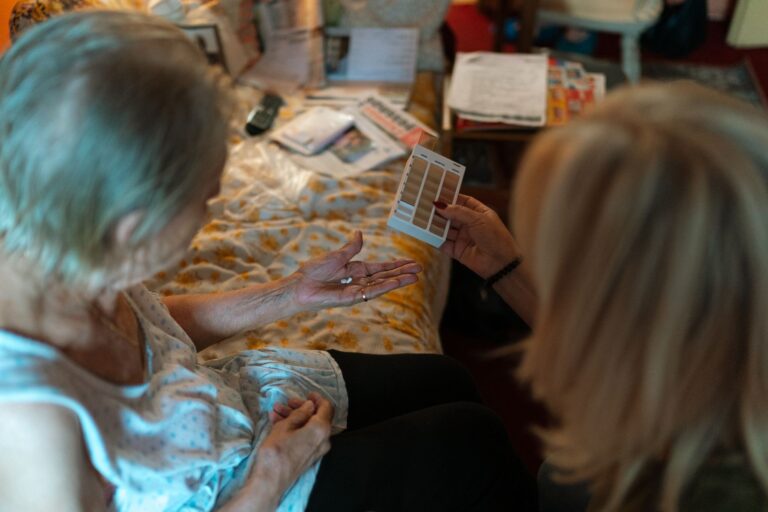
Learn how to spot dementia-related behavior changes, check treatable causes, and respond with less conflict.

Learn how to spot dementia-related behavior changes, check treatable causes, and respond with less conflict.
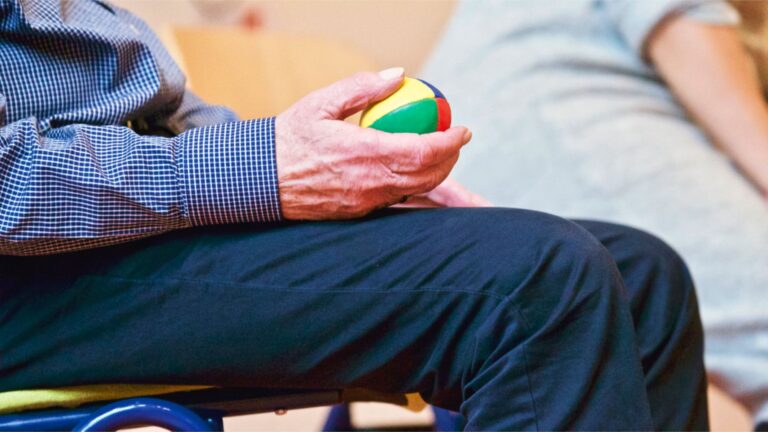
Learn how to tailor a safer beanbag activity to a person's abilities, responses, and changing attention.

Learn which documents still work, why capacity is decision-specific, and what to review before authority is lost.
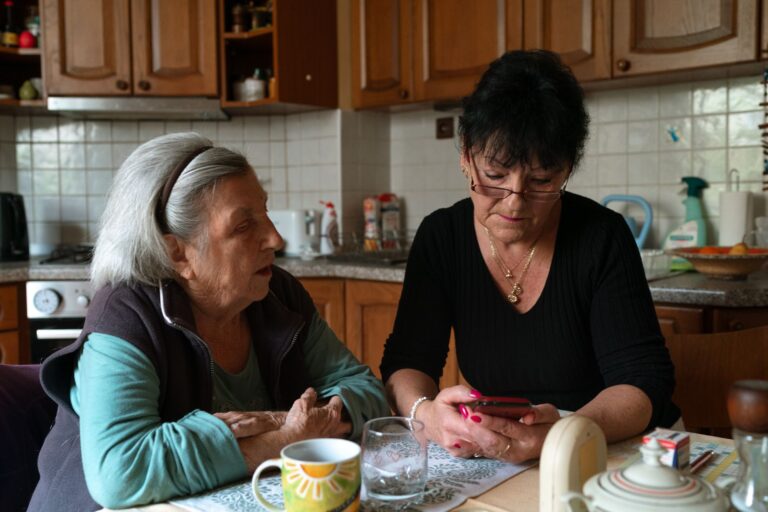
Learn how to compare hospice quality, test dementia readiness, and clarify the care your family must still provide.

Learn how to calm suspicious accusations, spot medical or safety concerns, and know when medication needs extra caution.

Learn how vision correction may relate to dementia risk, where the evidence stops, and what to do now.

See what alcohol–dementia research shows, why Alzheimer's estimates remain uncertain, and what steps make sense now.

Learn who may benefit, what the mixed evidence shows, and which safety checks matter before combination therapy.
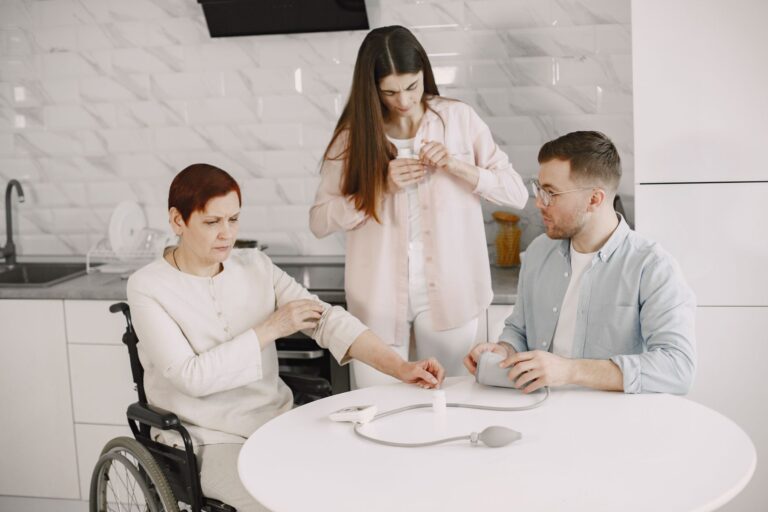
Learn what clinicians assess, how to prepare, and how the findings guide dementia care and safety planning.
Learn which personality changes merit attention, what else may cause them, and how to prepare for an assessment.
HelpDementia.com
Dementia, Alzheimer's, Caregiving & Healthy Aging Guidance
© 2026 HelpDementia.com. All rights reserved.
Educational information only. It is not medical advice and does not replace care from a qualified clinician.