Why Walking Changes Can Matter in Vascular Dementia

Walking changes are often the first sign that vascular dementia is progressing—and one of the few changes that might be slowed with early intervention.

Walking changes are often the first sign that vascular dementia is progressing—and one of the few changes that might be slowed with early intervention.

Vascular dementia advances in sudden cognitive drops tied to brain strokes, not gradual decline like Alzheimer's.

Within the first year alone, approximately 30 percent of stroke patients develop dementia, and the risk continues to rise over time—reaching nearly 48...
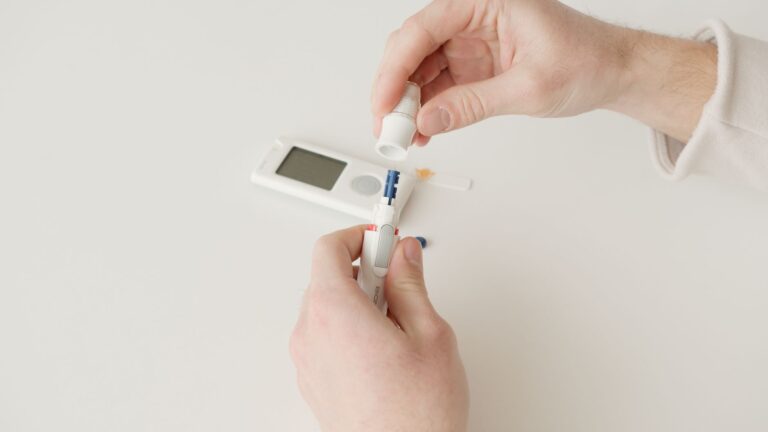
Diabetes and heart disease are major threats to brain health, but these risks are preventable through aggressive early management.

Sudden cognitive changes—confusion developing over hours or days—signal acute medical emergencies that often have treatable causes and require rapid evaluation.

Brain scans show Alzheimer's pathology developing in young adults living in polluted cities, with some children already showing disease markers.

Heart health and brain health are inseparable: uncontrolled hypertension, atherosclerosis, and arrhythmias accelerate dementia by starving the brain of oxygen.

A vascular dementia diagnosis means that a series of small or large strokes—or reduced blood flow to brain tissue—has damaged nerve cells in ways that...

Damaged blood vessels in the brain gradually disrupt memory and thinking through reduced oxygen flow, a pattern different from Alzheimer's disease and often preventable through blood pressure control.

Untreated high blood pressure silently reshapes your brain, but aggressive treatment can reduce dementia risk by up to 19 percent.