Can Correcting Vision Loss Lower Dementia Risk? What Current Evidence Shows
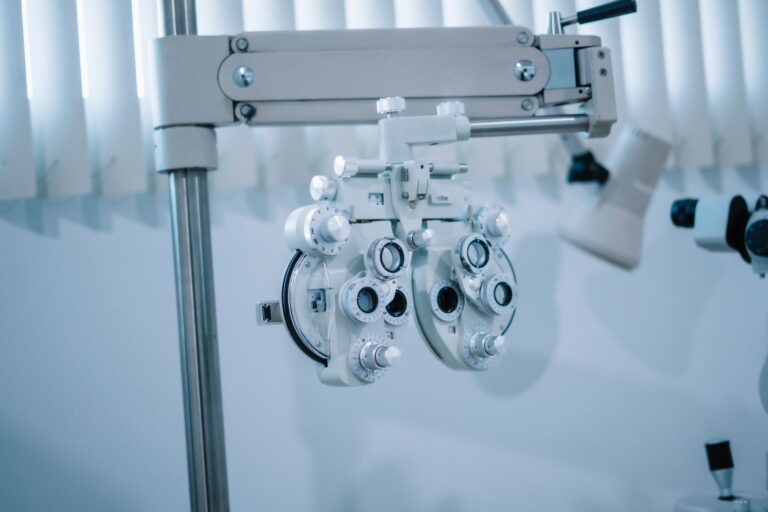
Learn what cataract studies suggest, why they cannot prove prevention, and how to act on vision loss now.

Learn what cataract studies suggest, why they cannot prove prevention, and how to act on vision loss now.

Learn what smoking risk estimates can—and cannot—show, and why quitting still makes sense for brain health.

A practical checklist helps families discuss Namenda benefits, tapering, monitoring, and possible restart with the prescriber.

Learn what clinicians assess, why daily function matters, and how to prepare a useful history for an Alzheimer's workup.

Spot overlooked risks involving money, driving, wandering, medicines, falls, and everyday household routines.

Learn how attention, movement, mood, and social responses can reveal enjoyment—and when it is time to stop.

Use these questions to identify the decision, document the evidence, preserve choice, and evaluate guardianship.

Learn which payer covers each stage of dementia care and what to verify before choosing a nursing facility.
Practical scripts, trigger tracking, and home adjustments can help caregivers respond to verbal aggression safely.

Learn who may benefit from a hearing evaluation, what ACHIEVE found, and which ear symptoms need medical care.
HelpDementia.com
Dementia, Alzheimer's, Caregiving & Healthy Aging Guidance
© 2026 HelpDementia.com. All rights reserved.
Educational information only. It is not medical advice and does not replace care from a qualified clinician.