What does periventricular white matter changes mean

Periventricular white matter changes are areas of damage in the brain's white matter — the tissue surrounding the ventricles, which are the fluid-filled...

Periventricular white matter changes are areas of damage in the brain's white matter — the tissue surrounding the ventricles, which are the fluid-filled...

Amyloid PET imaging works by injecting a radioactive tracer into the bloodstream that travels to the brain and binds specifically to amyloid plaques — the...
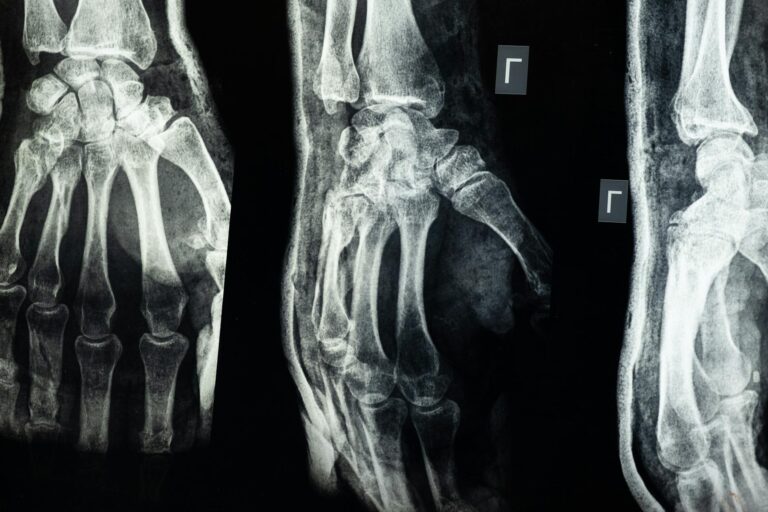
When a doctor suspects dementia, one of the first questions families ask is whether their loved one needs an MRI or a CT scan — and whether one is better...

Genetic testing can meaningfully assess your risk of developing Alzheimer's disease, but it cannot predict with certainty whether you will or won't get it.
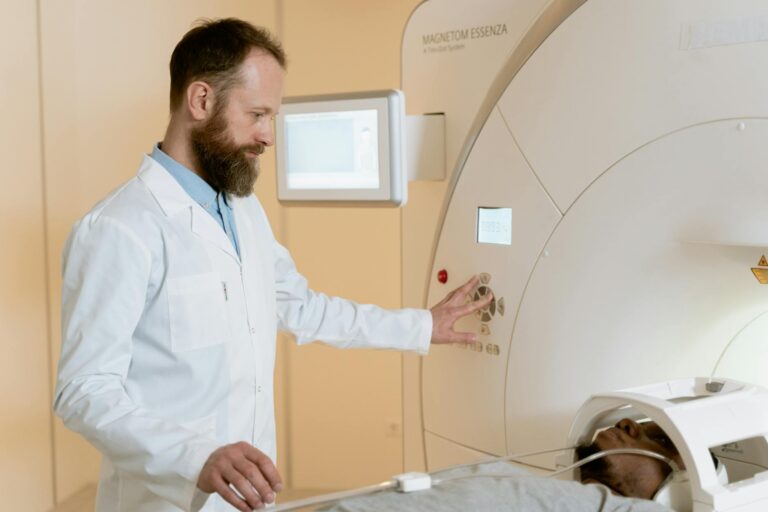
Cortical thinning on a brain MRI refers to a measurable reduction in the thickness of the brain's outer gray matter layer — the cortex.

For most adults over 65, cognitive screenings should happen annually — roughly as often as a routine physical exam.
Online dementia screening tests have significant limitations that make them unsuitable as diagnostic tools, despite their growing popularity as a first...
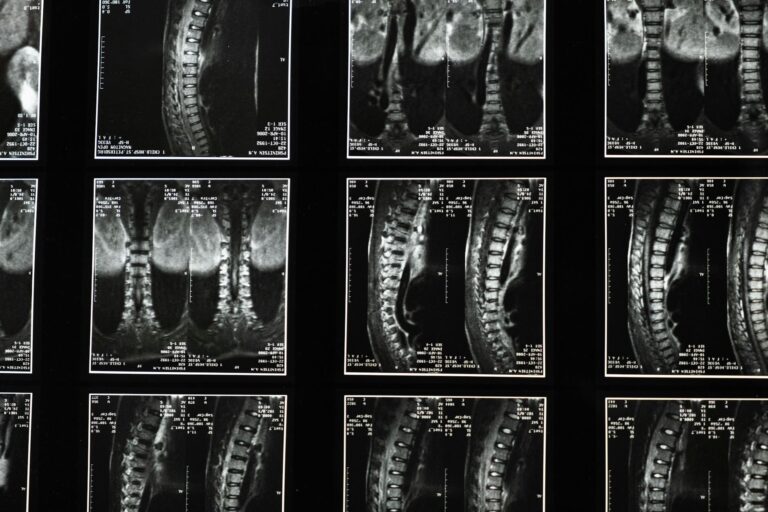
Yes, a spinal tap — formally called a lumbar puncture — can help diagnose Alzheimer's disease, and in many cases it provides some of the most reliable...

When a brain scan report mentions hippocampal atrophy, it means the hippocampus — a curved, seahorse-shaped structure deep in the temporal lobe — has lost...

Preparing for a cognitive screening test is simpler than most people expect, and the most important thing to know upfront is this: you cannot study for it.