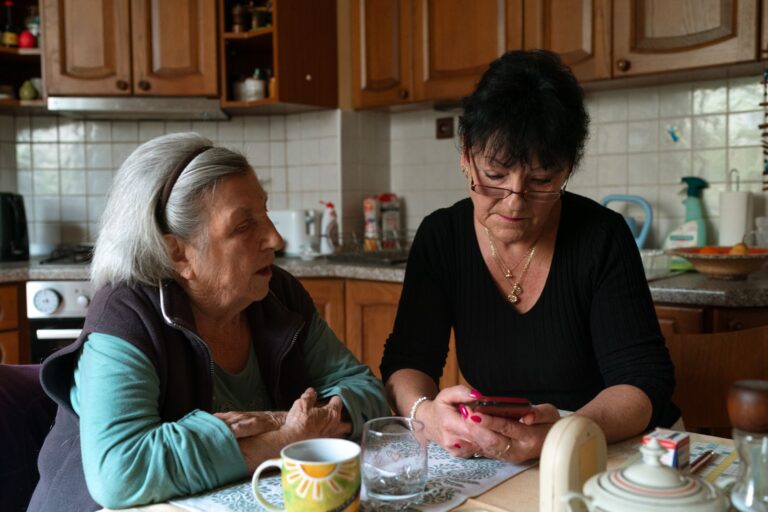
Preparing for a cognitive screening test is simpler than most people expect, and the most important thing to know upfront is this: you cannot study for it. These tests are designed to measure how your brain is actually functioning right now, not what you’ve memorized or rehearsed. The best preparation is practical and grounded in basic self-care — getting a full night’s sleep, eating a proper meal beforehand, and arriving in a calm, rested state.
That is the core answer, and everything else in this article builds on it. That said, there is real value in understanding what these tests involve, what they measure, and how to put yourself in the best possible position on the day. If your doctor has scheduled a cognitive screening for you or a loved one, knowing what to expect can ease anxiety and help you approach the appointment with confidence. This article covers what cognitive screening tests actually assess, how to prepare in the days and hours before, what longer-term habits support brain health, and what happens after the results come in.
Table of Contents
- What Does a Cognitive Screening Test Actually Measure?
- How Should You Prepare the Night Before a Cognitive Screening?
- What Long-Term Habits Support Better Cognitive Health Before a Screening?
- Should You Do Anything Special to Practice or Study Before the Test?
- What Are Common Concerns About Cognitive Screening Tests?
- How Do Results Get Interpreted and What Comes Next?
- The Broader Value of Cognitive Screening as You Age
- Conclusion
- Frequently Asked Questions
What Does a Cognitive Screening Test Actually Measure?
cognitive screening tests are not general intelligence tests, and they are not pass-fail exams. They evaluate specific neuropsychological domains: memory, language, executive function, abstract reasoning, attention, and visuospatial skills. Each of these areas reflects a different aspect of how the brain processes and responds to the world. A clinician uses the results to identify whether any of these domains are showing signs of decline relative to what would be expected for someone of your age and health background. Several instruments are commonly used. The Mini-Mental State Examination, or MMSE, is among the most studied in clinical research. The Montreal Cognitive Assessment, known as the MoCA, is widely used in outpatient settings and takes roughly ten minutes. The Mini-Cog takes about three minutes and involves drawing a clock and recalling three words.
The General Practitioner Assessment of Cognition, or GPCog, is designed for use in primary care. Each tool has different strengths. The MoCA, for example, is generally considered more sensitive for detecting mild cognitive impairment than the MMSE, which tends to be better at identifying more advanced dementia. Neither is perfect, and no single tool has been recognized as definitively best for all situations. It is worth understanding that false positives and false negatives do occur. The U.S. Preventive Services Task Force reviewed 59 studies covering 49 different screening instruments and found that dementia prevalence among participants ranged from 1% to 47%, and mild cognitive impairment from 10% to 52%. That wide range reflects how varied the populations being screened are. A screening result is a starting point for a clinical conversation, not a definitive diagnosis on its own.

How Should You Prepare the Night Before a Cognitive Screening?
Sleep is probably the single most controllable factor in how well you perform on a cognitive screening test. Sleep deprivation directly impairs memory, attention, and processing speed — precisely the functions these tests measure. Aim for seven to nine hours the night before. This is not a suggestion to cram in extra rest as some kind of performance boost; it is simply about not walking into the appointment already running on a deficit. If you have chronic sleep difficulties, this is also worth mentioning to your provider, since ongoing poor sleep can itself affect cognitive function over time. Eat a nutritious meal before the appointment and make sure you are well hydrated. A test taken while hungry or dehydrated is not a fair representation of your cognitive baseline.
This applies particularly to morning appointments when people are tempted to rush out without breakfast. A simple, balanced meal — nothing that would cause an energy crash mid-appointment — is all that is needed. One important caveat: if you are someone who experiences significant anxiety, the test environment itself can affect your performance. Cleveland Clinic notes that tiredness, focus, anxiety, and emotional state can all influence scores. If you know that medical appointments make you anxious, consider telling the clinician before the test begins. Clinicians factor context into their interpretation of results. Bringing a trusted family member or friend for support is also an option, and many clinics actively encourage it, particularly for older adults attending alone.
What Long-Term Habits Support Better Cognitive Health Before a Screening?
If you have several weeks before a scheduled screening, certain lifestyle habits can support the kind of cognitive function these tests measure — not by teaching you the answers, but by keeping the underlying machinery running as well as it can. Regular aerobic exercise is at the top of that list. Guidelines recommend 150 minutes per week of moderate-intensity aerobic activity, and research has linked this level of exercise to a measurable reduction in dementia risk. A brisk 30-minute walk five days a week meets that threshold. Diet also plays a documented role. The MIND diet — which emphasizes leafy greens, berries, nuts, whole grains, fish, and olive oil while limiting red meat, butter, and processed foods — is associated with better cognitive outcomes.
This is not a short-term fix; the MIND diet’s benefits appear to accumulate over months and years of consistent practice. But if someone has been eating reasonably well and staying active, that is a genuine asset going into a cognitive evaluation. A 2025 study highlighted by NPR found that participants following an intensive lifestyle intervention improved significantly more on memory and cognition tests than a control group. The intervention combined multiple factors: diet, exercise, social engagement, and stress management. Cleveland Clinic’s 2025 guidance similarly identifies six brain health strategies — regular exercise, quality sleep, social connection, mental challenges, stress management, and diet — as collectively important. No single element is magic, but together they support the kind of cognitive resilience that screening tests are designed to detect.
Should You Do Anything Special to Practice or Study Before the Test?
No. This deserves direct emphasis because it is a common question and a common source of anxiety. You do not need to study for a cognitive screening test. The Cleveland Clinic is explicit on this point: the test measures your current cognitive function, not memorized knowledge. Attempting to memorize sequences, practice drawing exercises, or rehearse word lists ahead of time is not only unnecessary — it can potentially distort results if your provider is using serial testing to track change over time. The comparison worth drawing here is between a cognitive screening and a blood test. You would not try to train your white blood cell count the week before a CBC panel.
A cognitive screening is similarly a snapshot of where you are now. Clinicians are comparing your results against expected ranges for your age and health history, not against some idealized benchmark. If anything, artificially rehearsed performance could mask the very patterns a provider is trying to detect. There is a narrow exception worth noting. If English is not your first language, or if you have hearing or vision difficulties, it is important to tell your provider before the test begins. Many screening tools have known limitations in cross-cultural settings, and a skilled clinician will want to account for those factors. Similarly, if you have a learning disability or a prior brain injury, that context matters for interpretation. Coming in with that information ready is a genuinely useful form of preparation.
What Are Common Concerns About Cognitive Screening Tests?
One of the most common concerns people raise is the fear of what the results might mean. That anxiety is understandable, but it is worth separating the test from the diagnosis. A cognitive screening is a brief, low-risk evaluation. It does not, on its own, confirm or rule out dementia. What it does is give a clinician a data point to work with. If the results fall within normal ranges for your age, that is reassuring information. If they suggest a concern, the next step is additional evaluation — not an immediate label. False positives are a real issue with cognitive screening.
Someone who did not sleep well, who has untreated depression, or who has thyroid problems may score lower than expected without having any underlying neurodegenerative condition. Depression in particular is strongly associated with poor cognitive test performance, and it is a treatable condition. This is why a screening result is always interpreted alongside other clinical information, not in isolation. A less-discussed concern is the opposite problem: false negatives, where someone with early cognitive decline performs within normal limits on a brief screening tool. Highly educated individuals sometimes compensate well enough on screening tests that early impairment goes undetected. This is a recognized limitation. The USPSTF has noted that evidence on the harms and benefits of screening in cognitively unimpaired older adults remains inconclusive. If you or a family member have specific concerns about memory or daily function that do not show up clearly on a brief test, a more comprehensive neuropsychological evaluation can assess a wider range of abilities with greater precision.

How Do Results Get Interpreted and What Comes Next?
After a cognitive screening, your provider will compare your results to expected ranges for your age and overall health history. A score that falls below a cutoff threshold does not automatically mean dementia — it means the clinician needs more information. Follow-up may include a full neuropsychological assessment, which is far more detailed than a brief screening and may take several hours.
Brain imaging or blood tests might also be ordered to rule out treatable causes of cognitive symptoms, including vitamin deficiencies, thyroid dysfunction, or medication side effects. If a loved one accompanies you to the appointment, that person’s observations can be particularly valuable at this stage. Clinicians frequently ask caregivers or close family members about changes they have noticed in daily functioning — whether the person is managing finances, taking medications correctly, or getting lost in familiar places. This contextual information often matters as much as the test score itself.
The Broader Value of Cognitive Screening as You Age
Cognitive screening is increasingly being discussed as a routine part of preventive care for older adults, similar to blood pressure checks or cholesterol panels. The case for earlier screening is that it can establish a baseline — a reference point that makes future changes easier to detect and interpret. Someone who scores in the middle of the expected range at 65 provides a useful comparison point if they return at 70 with different results.
Research and clinical tools in this space continue to develop. Blood-based biomarkers for Alzheimer’s-related proteins are moving closer to routine clinical use, and when combined with brief cognitive screening, they may allow for earlier, more precise identification of risk. For now, cognitive screening remains a practical, accessible first step — one that requires nothing more from the person being tested than showing up rested, fed, and as calm as possible.
Conclusion
Preparing for a cognitive screening test comes down to a few concrete things: sleep well the night before, eat before you go, stay hydrated, and arrive without the pressure of having tried to study or rehearse. These tests are not measuring what you know — they are measuring how your brain is working right now, across memory, attention, language, and reasoning. No amount of preparation can substitute for that, nor should it.
The goal is simply to show up in the best condition you can. If you have more time before the test, the habits that support cognitive health are the same ones that support overall health: regular aerobic exercise, a diet rich in vegetables, fish, and whole grains, adequate sleep, and social engagement. These are not quick fixes but they are genuinely supported by research. And whatever the results of any screening, the right response is to stay engaged with your care team, ask questions, and treat the test as one piece of information among many — not a verdict.
Frequently Asked Questions
Can I fail a cognitive screening test?
Cognitive screenings do not work like pass-fail exams. They produce scores that clinicians compare to expected ranges for your age and health background. A low score triggers further evaluation, not a diagnosis.
Should I bring someone with me to the appointment?
Yes, if possible. A trusted family member or friend can provide support during the appointment and may be asked to share observations about any changes they have noticed in your daily functioning. Clinicians often find this information valuable.
Will anxiety affect my results?
It can. Cleveland Clinic notes that emotional state, focus, and tiredness can all influence scores. Letting the clinician know if you are feeling unusually anxious before the test gives them important context for interpreting your results.
What happens if the screening suggests a problem?
A screening result that falls below expected thresholds leads to further evaluation, which might include a more comprehensive neuropsychological assessment, brain imaging, or blood tests to investigate possible causes.
Is there any point in doing a cognitive screening if I feel fine?
Yes. Screening can establish a baseline cognitive profile that makes future changes easier to track. Some cognitive changes are subtle enough that they are easier to detect when compared to a documented earlier measurement.
Are some people more likely to get inaccurate results?
Yes. People who are highly educated may compensate well enough to score within normal limits even with early impairment. Conversely, those with depression, poor sleep, or untreated medical conditions like thyroid problems may score lower than their true baseline. These limitations are why screening results are always considered alongside clinical context.
You Might Also Like
- What is the mini cog test and how accurate is it
- What is the difference between a moca and mmse test
- How reliable is the sage test for early dementia screening
For more, see NIH MedlinePlus — dementia.