Reviewed by the Help Dementia Editorial Team — our editors review every article for accuracy against guidance from the National Institute on Aging, the Alzheimer’s Association, and peer-reviewed sources.
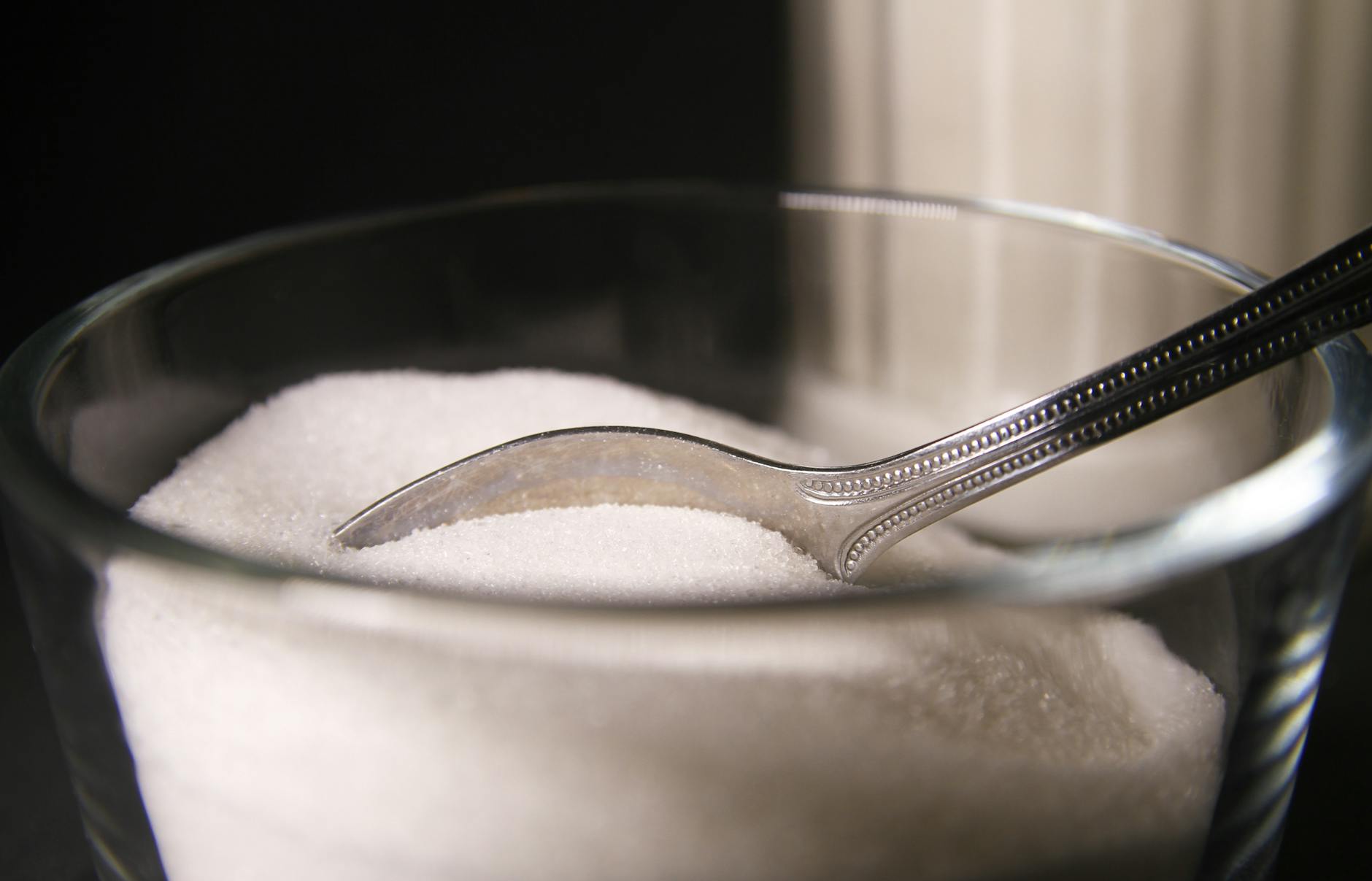
Artificial sweeteners sits at the center of this dementia and brain health question.
Despite the catchy premise, recent scientific evidence tells a different story: artificial sweeteners may actually accelerate cognitive decline rather than protect your brain. A major 2025 study published in Neurology—tracking over 12,700 participants for eight years—found that people consuming the highest amounts of common artificial sweeteners showed 62% faster cognitive decline compared to those who consumed the least. That’s equivalent to roughly 1.6 years of brain aging. This finding challenges the assumption that zero-calorie sugar substitutes are a neutral or beneficial swap for brain health.
The research focused on seven widely used sweeteners: aspartame (found in Diet Coke and many sugar-free products), saccharin, acesulfame-K, erythritol, xylitol, sorbitol, and tagatose. Participants underwent cognitive testing over the eight-year period, measuring changes in memory, language, and thinking speed. For younger adults under 60, the link between high artificial sweetener consumption and cognitive decline was particularly pronounced. This contradicts the popular belief that artificial sweeteners—lacking the glucose spikes associated with regular sugar—offer a smarter choice for brain protection.
Table of Contents
- Do Artificial Sweeteners Really Protect Your Brain?
- Understanding the Mechanisms Behind Artificial Sweetener Effects
- Age Matters: Why Younger Brains Show Greater Vulnerability
- The Real Comparison: Artificial Sweeteners Versus Brain-Protective Supplements
- Important Research Limitations and What They Mean
- What Brain Health Actually Looks Like
- The Future of Sweetener Research and Brain Health
- Conclusion
Do Artificial Sweeteners Really Protect Your Brain?
The short answer is no, and the evidence increasingly suggests the opposite. When researchers at Harvard and other institutions analyzed consumption patterns alongside cognitive test results, they found a clear dose-response relationship: the more artificial sweeteners people consumed, the steeper their cognitive decline. A 65-year-old heavy consumer of diet sodas and artificially sweetened foods showed cognitive patterns similar to those of someone 1.6 years older—a meaningful difference when considering long-term brain health trajectories.
What makes this finding especially important is the population studied. These weren’t people with existing neurological conditions; they were generally healthy adults whose only distinctive factor was their sweetener consumption. Many switched to artificial sweeteners specifically to protect their health, believing they were making a brain-friendly choice by avoiding sugar’s metabolic disruptions. The irony is stark: the very strategy many used to protect cognitive function may have inadvertently accelerated decline.
Understanding the Mechanisms Behind Artificial Sweetener Effects
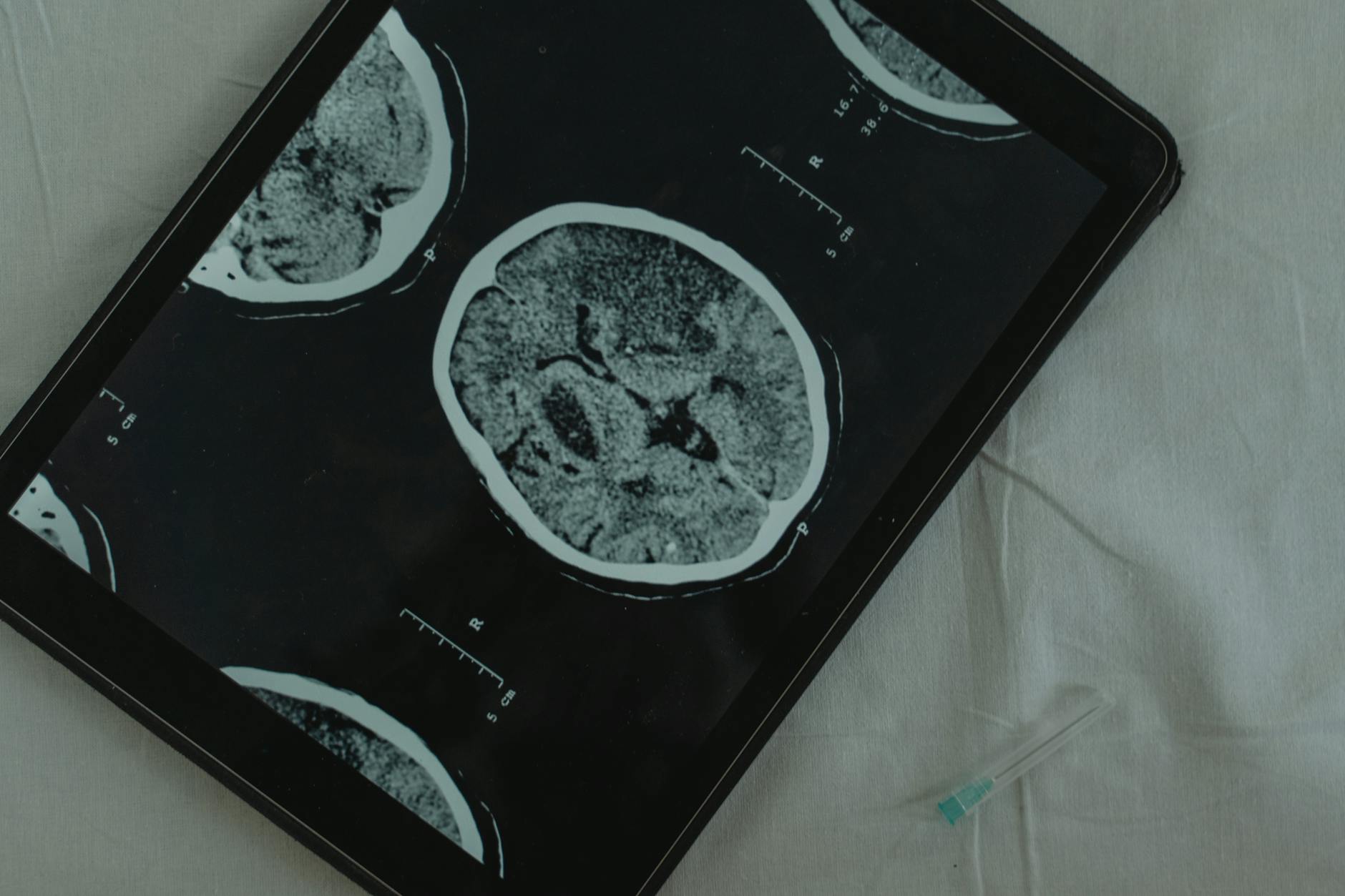
While the 2025 study demonstrates correlation, researchers don’t yet fully understand the causal mechanism. Leading theories suggest three possible pathways: neuroinflammation (chronic low-level brain inflammation), neurodegeneration (loss of brain cells), or disruption of the gut-brain axis. The gut microbiome plays a surprisingly powerful role in brain health, producing neurotransmitters and regulating immune signals that reach the brain. Artificial sweeteners alter this microbial ecosystem in ways we’re only beginning to understand, potentially triggering inflammatory cascades that reach the central nervous system.
One important limitation: the study is observational, not experimental. This means we can identify that artificial sweetener consumption correlates with faster cognitive decline, but we cannot definitively say that the sweeteners caused the decline. People who consume large amounts of diet sodas and artificially sweetened products might also differ in other ways—exercise habits, sleep quality, stress levels, or underlying genetic susceptibilities—that contribute to cognitive aging. Researchers attempted to control for these confounding variables statistically, but unmeasured factors could still play a role.
Age Matters: Why Younger Brains Show Greater Vulnerability
One of the most striking findings was age-specificity. The cognitive decline linked to artificial sweetener consumption was observed primarily in adults under 60, with minimal association detected in people over 60. This suggests younger brains may be more sensitive to whatever mechanisms artificial sweeteners trigger—or that the cumulative effects take decades to manifest in older adults who may already be experiencing age-related cognitive changes that dwarf any artificial sweetener effect.
This age pattern has practical implications for people in their 40s and 50s who switched to diet drinks thinking they were optimizing for long-term brain health. The window of greatest vulnerability appears to be middle age, precisely when many people intensify their focus on preventive health measures. A 45-year-old consuming three diet sodas daily faces different risk than a 70-year-old with similar consumption—though neither should assume artificial sweeteners are harmless.
The Real Comparison: Artificial Sweeteners Versus Brain-Protective Supplements
This raises a natural question: if artificial sweeteners don’t protect the brain, what does? The comparison reveals why the original premise was misleading. Actual neuroprotective supplements—substances with documented effects on brain health—work through entirely different mechanisms. Omega-3 fatty acids (fish oil), for example, reduce neuroinflammation and support neuronal membrane integrity. B vitamins help regulate homocysteine, a compound linked to cognitive decline.
Magnesium supports synaptic plasticity—the brain’s ability to form new connections essential for memory and learning. Unlike artificial sweeteners, which alter metabolism and microbiota in ways we’re still deciphering, these supplements have clear biological rationales and supportive clinical evidence. A person trying to protect their brain is better served by consistent supplement use alongside healthy dietary choices than by switching to diet drinks. The tradeoff is real: genuine neuroprotection requires effort (taking supplements, eating brain-healthy foods), whereas artificial sweeteners offer a false shortcut—perceived protection without behavioral change.
Important Research Limitations and What They Mean
The Harvard-led study, while large and rigorous, has important limitations worth acknowledging. Participants self-reported their sweetener consumption through food frequency questionnaires, which rely on memory and estimation. Someone might genuinely believe they drink two diet sodas daily when they actually drink three, or vice versa. This measurement error could bias results either toward or away from finding an association.
Additionally, the study captured consumption at baseline but didn’t track changes over the eight-year period; someone might have quit all artificial sweeteners after year three, but their early consumption would still count as “high.” The causal pathway remains unclear, meaning multiple explanations could fit the data. High artificial sweetener consumption might be a marker for other risk behaviors—such as metabolic dysfunction, sedentary lifestyle, or poor overall diet quality—that independently harm the brain. The research team attempted statistical adjustment for these factors, but residual confounding is always possible in observational studies. Until we have randomized trials (where some people are randomly assigned to consume sweeteners and others to avoid them), we cannot say definitively that artificial sweeteners cause cognitive decline.

What Brain Health Actually Looks Like
Rather than focusing on what to avoid, dementia prevention research increasingly emphasizes what to actively pursue. The strongest evidence supports a Mediterranean-style diet rich in vegetables, nuts, olive oil, and fish. Regular aerobic exercise—particularly activities that challenge cardiovascular fitness—consistently predicts better cognitive aging. Social engagement, cognitive challenge (learning new skills, puzzles, reading), quality sleep, and stress management round out the evidence-based portfolio.
These lifestyle factors have far larger effects on brain aging than any single dietary choice. Supplements can play a supporting role but shouldn’t be the foundation of brain health strategy. Vitamin B12, B6, and folate help regulate homocysteine levels; omega-3s reduce inflammation; and some evidence supports coenzyme Q10 for mitochondrial health. But no supplement substitutes for the cognitive and cardiovascular benefits of daily exercise or the neuroprotective effects of consistent social engagement. A person who takes every brain supplement but lives sedentarily, eats poorly, and lacks meaningful relationships will age cognitively faster than someone with no supplements but strong lifestyle foundations.
The Future of Sweetener Research and Brain Health
The 2025 Neurology study will likely prompt more research into which sweeteners carry the greatest risk and at what consumption levels meaningful harm occurs. Some artificial sweeteners—erythritol and xylitol, derived from plant sources—might behave differently from synthetic options like aspartame. Dose-response curves may reveal a threshold below which effects become negligible.
We might eventually discover that one diet soda weekly carries minimal risk while five daily does significant harm, allowing for more nuanced guidance than blanket avoidance. Looking forward, the field is moving toward mechanistic studies—understanding whether sweetener-induced microbiome changes actually trigger neuroinflammation, and whether probiotics or dietary modifications could offset these effects. Genetic research may reveal that certain people metabolize artificial sweeteners differently, making some at higher risk than others. This precision approach could eventually replace broad warnings with personalized recommendations based on individual biology and consumption patterns.
Conclusion
The emerging evidence suggests artificial sweeteners are unlikely allies in brain protection and may actively accelerate cognitive decline, particularly in younger and middle-aged adults. The false premise that “artificial sweeteners protect your brain better than supplements” inverts current scientific findings. Rather than debating which category offers better protection, the evidence points toward a simpler conclusion: both are peripheral to genuine brain health, which rests on lifestyle foundation of exercise, cognitive engagement, social connection, quality sleep, and Mediterranean-style eating patterns.
If you’re concerned about cognitive aging, the most evidence-based approach is building these lifestyle foundations first, adding targeted supplements only as supports to this core strategy, and reconsidering habitual consumption of artificially sweetened products given emerging research on metabolic and neurological effects. Brain health isn’t optimized through clever substitutions but through consistent, multifaceted behavioral choices. The science is increasingly clear on what protects cognition—and it doesn’t come in a diet soda.
You Might Also Like
- whole grains May Protect Your Brain Better Than Supplements
- vegetarian diet May Protect Your Brain Better Than Supplements
- vegan diet May Protect Your Brain Better Than Supplements
For more, see Alzheimer’s Association — caregiving.