Reviewed by the Help Dementia Editorial Team — our editors review every article for accuracy against guidance from the National Institute on Aging, the Alzheimer’s Association, and peer-reviewed sources.
Neurologists say sits at the center of this dementia and brain health question.
Neurologists have increasingly documented a concerning connection between artificial sweetener consumption and memory problems, though the relationship is more complex than simple cause-and-effect. Recent research suggests that regular consumption of aspartame, sucralose, and saccharin may interfere with cognitive function and contribute to memory decline, particularly in people already at risk for neurodegenerative diseases. A 2022 study published in Stroke found that individuals who consumed artificially sweetened beverages daily showed significantly greater cognitive decline over a decade compared to those who rarely or never consumed them.
The concern centers on how artificial sweeteners affect the brain’s ability to form and retain memories. When consumed regularly, these compounds may damage the gut microbiome—the community of bacteria in your digestive system that directly influences brain health through the gut-brain axis. This disruption can trigger inflammation in the brain, impair the production of protective compounds, and even interfere with the formation of new neural connections essential for memory storage. For someone with early cognitive decline or a family history of Alzheimer’s disease, this risk becomes particularly meaningful.
Table of Contents
- Do Artificial Sweeteners Really Impact Memory and Brain Function?
- How Artificial Sweeteners Affect the Brain’s Memory Circuits
- Which Artificial Sweeteners Pose the Greatest Memory Risk?
- Should People with Memory Concerns Eliminate Artificial Sweeteners?
- Memory Loss from Artificial Sweeteners: How Long Does It Take and Can It Reverse?
- The Gut-Brain Connection and Memory Loss
- Future Directions in Understanding Artificial Sweeteners and Neurological Health
- Conclusion
Do Artificial Sweeteners Really Impact Memory and Brain Function?
Yes, according to mounting neurological evidence. The mechanism appears to work through multiple pathways. Artificial sweeteners can cross the blood-brain barrier and accumulate in brain tissue over time. They also alter the composition of gut bacteria, reducing populations of beneficial microbes that produce short-chain fatty acids—compounds essential for maintaining the protective barrier that surrounds the brain.
Without this protection, toxins and inflammatory markers more easily enter brain tissue and damage memory-related structures like the hippocampus. A 2021 study by researchers at Boston University followed more than 4,000 adults for seven years and found that those who drank artificially sweetened beverages three times per week or more had nearly triple the risk of stroke and dementia compared to those who rarely consumed them. The effect was independent of weight, diabetes, or other traditional dementia risk factors. neurologists emphasize that this association holds even when people maintain healthy body weight—the problem isn’t simply about sugar substitutes helping people gain weight, but rather their direct effects on brain chemistry and structure.

How Artificial Sweeteners Affect the Brain’s Memory Circuits
The brain regions most vulnerable to artificial sweetener damage are those responsible for learning and memory formation. The hippocampus, a seahorse-shaped structure deep in the brain that serves as the brain’s “memory filing system,” appears particularly susceptible to inflammation triggered by artificial sweetener metabolites. When this region becomes inflamed over months or years, it struggles to convert new experiences into stored memories—a process called consolidation that requires the formation of new synaptic connections between neurons. Additionally, artificial sweeteners suppress the production of a crucial protein called brain-derived neurotrophic factor (BDNF).
This protein acts like fertilizer for neurons, helping them grow, strengthen connections with other neurons, and repair damage from inflammation. When BDNF levels drop due to chronic artificial sweetener consumption, neurons become more fragile and connections between them—the physical basis of memory—gradually deteriorate. This is a particular concern for individuals with mild cognitive impairment who are already experiencing reduced BDNF levels. Neurologists caution that even moderate artificial sweetener consumption can accelerate this decline in people with genetic predispositions to Alzheimer’s disease.
Which Artificial Sweeteners Pose the Greatest Memory Risk?
Not all artificial sweeteners appear equally harmful, though evidence suggests they all carry some risk. Aspartame, found in diet Coke, Diet Pepsi, and countless sugar-free foods, has drawn the most concern from neurologists. When metabolized, aspartame breaks down into aspartic acid and phenylalanine—compounds that can overstimulate brain cells and trigger excitotoxicity, a process where neurons become damaged from excessive stimulation. Sucralose (Splenda) and saccharin (Sweet’N Low) affect the gut microbiome more severely, causing a broader reduction in protective bacterial species.
Stevia and monk fruit, newer artificial sweeteners, appear to pose less neurological risk based on current research, though long-term studies are still limited. The timeline of exposure matters too. Someone who consumed diet sodas daily for 20 years may have greater memory impairment than someone who started consuming them five years ago. For older adults and those with existing memory complaints, neurologists increasingly recommend avoiding all artificial sweeteners as a precautionary measure, since the brain’s ability to recover from inflammatory damage declines with age.
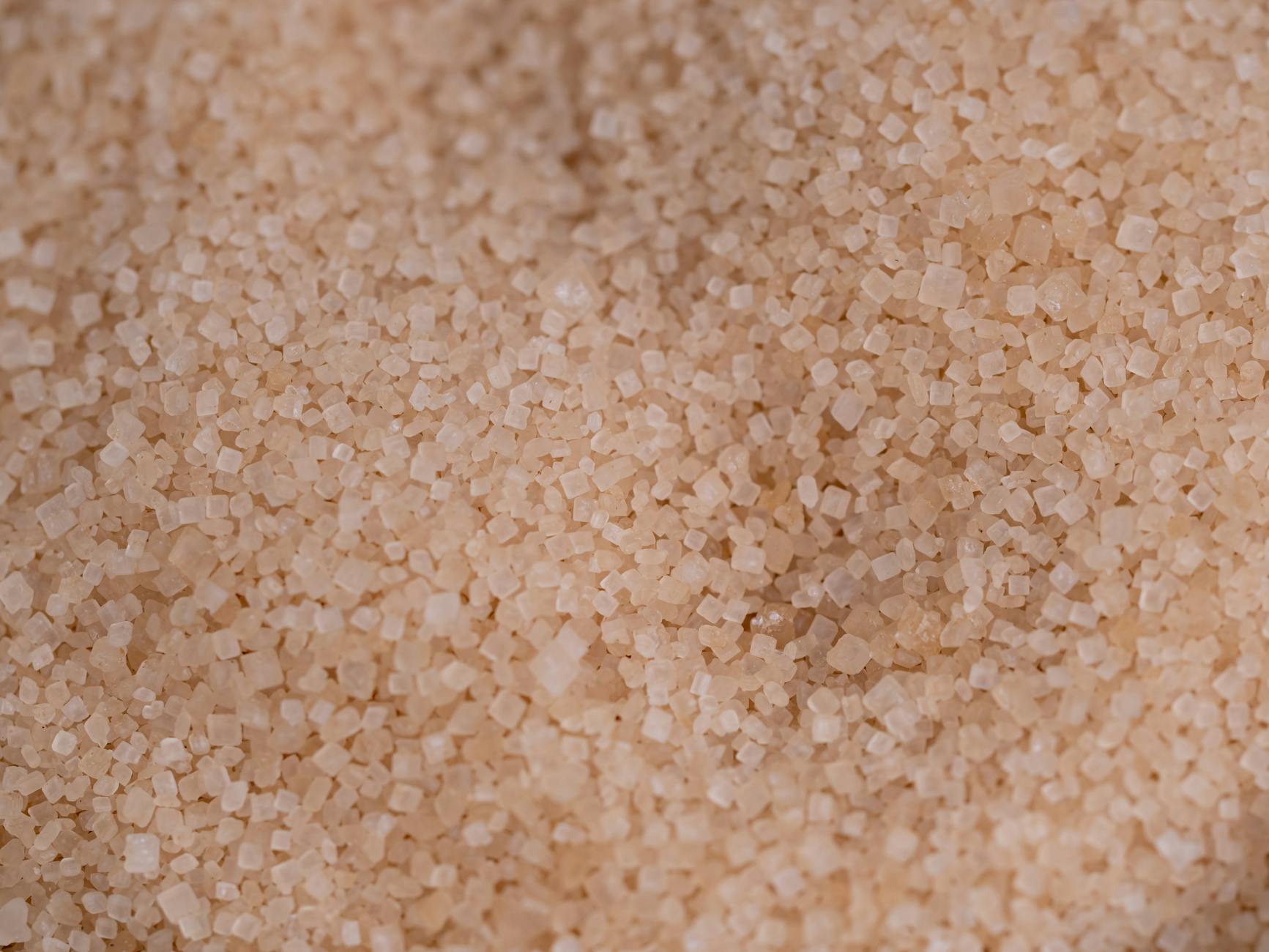
Should People with Memory Concerns Eliminate Artificial Sweeteners?
For individuals with a family history of dementia, early memory problems, or diagnosed cognitive decline, most neurologists recommend eliminating artificial sweeteners entirely rather than reducing intake gradually. The evidence suggesting benefit from complete avoidance is stronger than evidence supporting “moderation,” particularly because these substances accumulate in body tissues and can continue affecting memory even after consumption stops. The practical challenge is that artificial sweeteners hide in unexpected places.
Beyond obvious diet beverages, they’re found in sugar-free candy, yogurt, chewing gum, some medications, and vitamin supplements. Someone switching from diet soda may unknowingly consume artificial sweeteners through other products and fail to see cognitive improvements. The comparison to smoking is apt: occasional exposure provides some benefit, but eliminating the source entirely produces the most dramatic improvement. For those struggling with sweet cravings, neurologists suggest transitioning to small amounts of regular sugar or honey rather than maintaining high intake of artificial sweeteners.
Memory Loss from Artificial Sweeteners: How Long Does It Take and Can It Reverse?
Memory impairment from chronic artificial sweetener consumption typically develops gradually, making it difficult to notice until significant decline has occurred. Early signs include difficulty remembering names, misplacing common items, or forgetting recent conversations—symptoms many people attribute to aging or stress. Once neurologists identify artificial sweeteners as a contributing factor, the good news is that some cognitive improvement can occur after discontinuation, though the recovery timeline is unpredictable.
A critical limitation is that damage from long-term artificial sweetener exposure isn’t always fully reversible. If inflammation has caused permanent structural changes in the hippocampus or triggered neurodegeneration, eliminating sweeteners may slow further decline but won’t restore lost neural tissue. People who notice memory improvement after quitting artificial sweeteners typically see changes within 2-3 months—a timeframe that suggests the primary mechanism involves inflammatory processes rather than permanent cell death. However, neurologists warn that waiting to eliminate artificial sweeteners until after cognitive decline appears may mean missing a crucial window when prevention is possible.

The Gut-Brain Connection and Memory Loss
The path from artificial sweetener to memory loss runs directly through the intestines. The bacteria living in your gut profoundly influence brain health through chemical messengers, immune signals, and the production of protective compounds. Artificial sweeteners work like antibiotics in your digestive system, killing beneficial bacteria while allowing harmful species to flourish. This imbalance, called dysbiosis, sets off a chain reaction of inflammation that can reach the brain.
A striking example of this mechanism comes from research on germ-free mice—mice born without any gut bacteria. When researchers colonized these mice with gut bacteria taken from people with memory impairment, the mice showed memory deficits themselves. This proves that the bacterial composition in your gut directly influences cognitive function. Artificial sweetener consumption disrupts this delicate bacterial balance, reducing populations that produce butyrate, a fatty acid that strengthens the intestinal barrier and reduces inflammation throughout the body, including in the brain.
Future Directions in Understanding Artificial Sweeteners and Neurological Health
Neurological research on artificial sweeteners continues to evolve. Emerging studies are examining whether genetic variations influence how much damage different people experience from these substances—some people may metabolize artificial sweeteners more safely, while others face amplified risk. This personalized risk assessment could eventually guide recommendations for who should absolutely avoid artificial sweeteners and who might tolerate occasional consumption.
Additionally, researchers are investigating whether restoring healthy gut bacteria through probiotics or dietary changes can reverse some cognitive damage from artificial sweetener exposure. Preliminary studies suggest that specific probiotic strains may restore BDNF production and reduce neuroinflammation, even in people who continue consuming artificial sweeteners, though eliminating the source of damage remains the most effective approach. The broader neurological field is moving toward recognizing artificial sweetener consumption as a modifiable risk factor for cognitive decline—one of the few preventable contributors to memory loss that individuals can control.
Conclusion
Neurologists increasingly recognize that artificial sweeteners pose a genuine threat to memory and cognitive health, operating through multiple biological pathways that culminate in inflammation and reduced neural resilience. The evidence from large-scale studies, cellular research, and emerging mechanistic understanding all point in the same direction: regular artificial sweetener consumption accelerates memory decline, particularly in vulnerable populations like older adults and those with genetic predisposition to dementia. For anyone concerned about memory loss or cognitive aging, eliminating artificial sweeteners represents one of the most straightforward and evidence-backed preventive measures available.
Unlike many memory interventions that require significant lifestyle overhaul, this change involves simply removing a product most people don’t truly need. The timeline for potential cognitive improvement—weeks to months—is far shorter than many other brain health interventions, making it a logical first step for anyone noticing memory problems or seeking to prevent them. Discussing artificial sweetener consumption with your doctor or neurologist during cognitive assessments can provide personalized guidance based on your individual risk factors and current cognitive status.
You Might Also Like
- What Neurologists Say About whole grains and Memory Loss
- What Neurologists Say About swiss chard and Memory Loss
- What Neurologists Say About sweet potatoes and Memory Loss
For more, see CDC — Alzheimer’s and Dementia.