Reviewed by the Help Dementia Editorial Team — our editors review every article for accuracy against guidance from the National Institute on Aging, the Alzheimer’s Association, and peer-reviewed sources.
Alzheimer’s hospice care provides comfort-focused medical treatment when a patient enters the end stages of the disease and curative care is no longer the primary goal. Families can expect a shift away from aggressive treatment toward pain management, symptom relief, and emotional support. A 74-year-old woman with advanced Alzheimer’s might move from regular hospital visits and medication adjustments to staying at home with a hospice team visiting several times weekly to manage her pain, help with bathing and dressing, and provide counsel to her family about what to expect in the coming weeks.
The hospice transition doesn’t mean abandonment or sudden withdrawal of care—it means a change in focus. Doctors still monitor the patient, nurses manage medications, and counselors help families navigate difficult emotions and decisions. This phase can last anywhere from weeks to several months, depending on the individual’s health trajectory. Many families find this period an opportunity to be more present with their loved one, to say important things, and to reduce the burden of trying to slow a disease that is no longer responsive to treatment.
Table of Contents
- When Is It Time to Consider Alzheimer’s Hospice Care?
- What Does Hospice Care Actually Include?
- What Happens at Home During Hospice Care?
- Managing Symptoms and Ensuring Comfort
- Emotional and Spiritual Support for Families
- Preparing for the Final Days and Hours
- Bereavement Support and Moving Forward
- Conclusion
When Is It Time to Consider Alzheimer’s Hospice Care?
The transition to hospice typically happens when a patient stops benefiting from curative treatments and the focus shifts to quality of remaining life. For Alzheimer’s disease specifically, this often occurs in stage 7 (the final stage), marked by loss of the ability to speak, walk, swallow, and eat on their own. Doctors may recommend hospice when the patient has a prognosis of six months or fewer, though this timeline is never certain—some patients live longer, others shorter than expected. Warning signs that hospice care might be approaching include recurring infections, significant weight loss, increasing difficulty swallowing, and withdrawal from previously enjoyed activities.
A patient who has stopped recognizing family members, speaks rarely, and requires full assistance with toileting, eating, and positioning is typically at the stage where hospice becomes an appropriate option. It’s important to understand that recommending hospice is not a medical failure—it is sound medical judgment based on the patient’s current condition and the irreversible nature of advanced dementia. Families sometimes delay the hospice conversation out of guilt, thinking it means “giving up” on their loved one. In reality, hospice specialists are trained to continue medical attention while focusing on comfort and dignity. The difference is measurable: patients on hospice often report better pain control and emotional support than those receiving only routine care without hospice services.

What Does Hospice Care Actually Include?
Hospice is a comprehensive program that addresses the physical, emotional, and spiritual needs of both the patient and the family. The team typically includes a primary care physician (or the patient’s own doctor), registered nurses, home health aides, social workers, chaplains or counselors, and volunteers. This multidisciplinary approach means that when a nurse visits, she’s not just checking vital signs—she’s also watching for changes in mood, skin breakdown, or comfort level, and coordinating with the social worker about family support. Medications in hospice care are selected for comfort rather than disease management. A patient who used to take five medications to slow cognitive decline might now take only pain relievers, anti-anxiety medications, and drugs to manage symptoms like nausea or constipation.
This simplification can be surprising to families accustomed to complex medication regimens. one important limitation: not all physicians or caregivers agree on which symptoms to treat aggressively. Some teams prioritize sedation for agitation; others try behavioral approaches first. It’s worth discussing these preferences with the hospice medical director early on. Care also includes practical help like wound care, bathing assistance, and bed changes—tasks that family caregivers may find physically or emotionally difficult to perform alone. Many families find that offloading these responsibilities allows them to focus on presence and conversation rather than hands-on medical tasks.
What Happens at Home During Hospice Care?
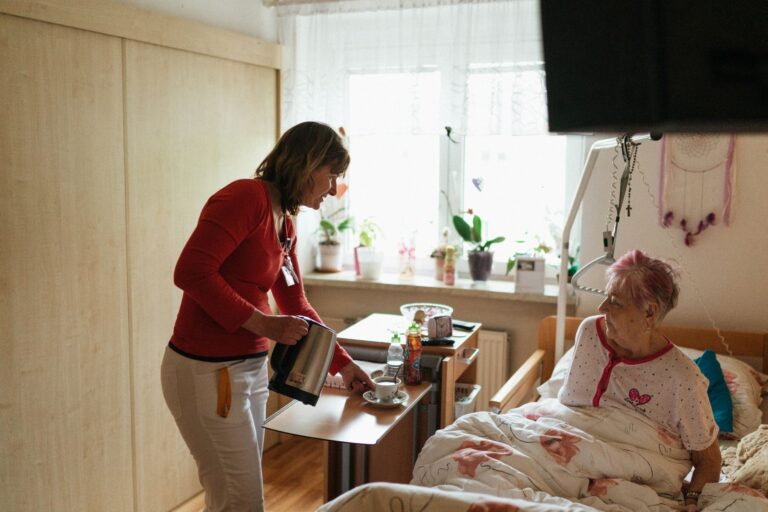
Most Alzheimer’s hospice care occurs in the patient’s home, though some patients are admitted to hospice facilities or specialized units in nursing homes or hospitals. A typical week might include nurse visits 2–3 times weekly, with aides coming on other days to help with personal care. The patient and family are given 24/7 access to a nurse by phone, and an on-call nurse can visit if urgent needs arise. The home environment changes in subtle ways. Hospital beds, pressure-relief mattresses, and other equipment are delivered and set up. A commode or portable toilet may be placed near the bedroom.
Medications are organized in a clear system, and family members learn how to administer them if needed. For example, a wife caring for her husband with late-stage Alzheimer’s might learn to give liquid pain medication every four hours, recognize when he’s uncomfortable based on facial expressions, and know which phone number to call if his breathing becomes labored. One challenge families face is the uncertainty of timing. Hospice does not cure, and the trajectory isn’t always predictable. A patient might seem stable for weeks, then decline rapidly over a few days. This unpredictability can be emotionally exhausting, especially if family members have taken time off work or made travel arrangements expecting an imminent death.

Managing Symptoms and Ensuring Comfort
The primary goal of hospice is ensuring the patient is comfortable, which includes managing pain, anxiety, restlessness, and respiratory distress. In advanced Alzheimer’s, patients often cannot verbally communicate pain, so the hospice team relies on observation—changes in facial expression, body tension, or vocalization patterns—to assess discomfort. Pain management might involve medications, gentle positioning, massage, or quiet music. One important distinction: hospice focuses on comfort but does not actively hasten death. The goal is not to speed up dying, but to ensure that however quickly or slowly the process unfolds, the patient experiences minimal suffering.
A family might worry that strong pain medications will “hasten the end,” but medications appropriate for comfort are standard in medical practice. Conversely, some families expect hospice to manage every moment of confusion or agitation with sedation, but hospice teams often try to balance medication with the patient’s baseline functioning. Families benefit from clear communication about what “normal” looks like in late-stage hospice. Periods of reduced appetite, changes in breathing patterns, skin mottling, and coolness of the extremities are expected as the body naturally slows. Understanding this prevents unnecessary emergency calls and helps families feel less alarmed by what are actually signs of natural decline.
Emotional and Spiritual Support for Families
Hospice recognizes that end-of-life care affects not just the patient but everyone around them. Most hospice programs include regular contact with social workers or counselors who can help families work through grief, make peace with the approaching loss, and address practical concerns like finances or legal matters. Some programs employ chaplains or spiritual counselors, though these services are offered without regard to religious belief. A common challenge is anticipatory grief—family members grieve the person their loved one was before Alzheimer’s took hold, while also grieving the imminent death.
This dual grief can feel overwhelming and sometimes contradictory. Guilt is frequent; adult children may feel they “should have” recognized symptoms earlier, or spouses may second-guess decisions made years prior. Hospice counselors are trained in these emotional complexities and can help families process feelings that might otherwise fester and strain family relationships. One limitation is that not all family members embrace hospice support equally. Some people prefer to grieve privately; others worry that talking to a counselor means they are not “strong enough.” Hospice teams recognize this and offer services without pressure, understanding that acceptance of support varies widely.

Preparing for the Final Days and Hours
As the end approaches, the patient’s needs and appearance change. The patient may stop eating and drinking, speak only in sounds rather than words, or seem unresponsive. Skin becomes cool and may develop a mottled appearance. Breathing may become irregular, with periods of apnea or very rapid breathing.
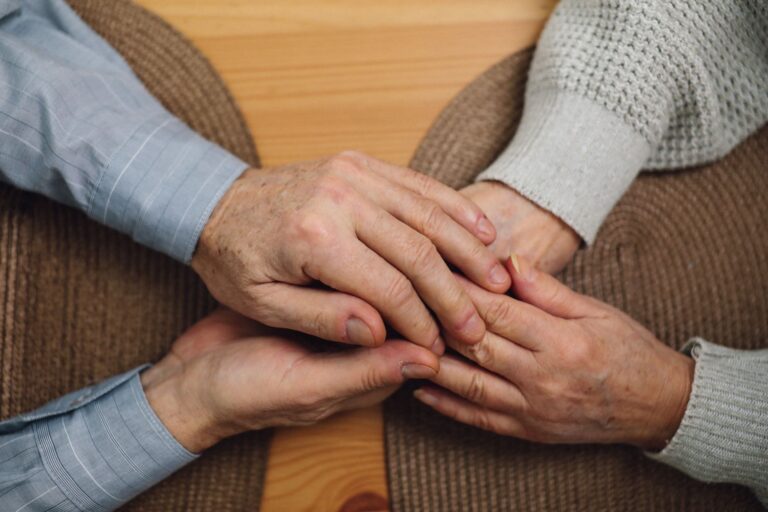
Family members are often given a “signs of approaching death” handout so they recognize these changes as expected rather than emergencies. Some hospice programs offer “vigil preparation,” teaching families how to be present at the bedside, what to say, and how to provide comfort through touch and presence when conversation is no longer possible. One family described sitting with their father for six hours before his death, holding his hand, reading aloud from his favorite book, and simply bearing witness to his life. The hospice nurse checked in periodically and was available if the family needed medication adjustments or had questions.
Bereavement Support and Moving Forward
Hospice support doesn’t end when the patient dies. Most hospice programs offer bereavement services for months or even a year afterward—counseling, support groups, and holiday remembrance events. This continuation of care acknowledges that grief doesn’t neatly conclude when death occurs; for many family members, it intensifies for weeks after, especially around holidays or birthdays.
As dementia care evolves and more families encounter end-stage disease, the understanding of what constitutes good end-of-life care continues to deepen. More conversations are happening earlier—when the patient can still participate in goals-of-care discussions—rather than when the patient is no longer able to communicate. This shift toward advance planning has the potential to reduce family conflict, align care with the patient’s values, and create more meaningful final chapters.
Conclusion
Alzheimer’s hospice care is not the end of medical care but a reorientation of it toward comfort, dignity, and presence in the face of irreversible decline. Families should expect a multidisciplinary team, home-based support, careful symptom management, and emotional and spiritual resources. The transition to hospice is difficult, but for many families it provides relief from the burden of trying to slow a disease that cannot be stopped, and creates space for meaningful connection in a patient’s final months or weeks.
If you think your loved one may be approaching the end stage of Alzheimer’s disease, talk with his or her doctor about the goals of ongoing care. Ask what the prognosis is, what changes you can expect to see, and whether hospice might be an appropriate option. There is no rush—these conversations can happen gradually—but starting them early gives your family time to prepare emotionally and logistically, and ensures that everyone shares a realistic understanding of the road ahead.